A backyard should feel like a place where you can relax without feeling like someone is watching. Whether you’re having coffee, spending time with family, or working in the garden, it’s hard to fully enjoy the space when a neighbor’s window, deck, or balcony looks straight into it.
Adding privacy doesn’t have to mean building a huge fence or causing problems next door. A few well-placed plants, screens, or outdoor features can give you more personal space while still keeping the yard open and inviting.
Here are some practical ways to make your backyard feel more private without creating tension with the neighbors.
Plant a Hedge for a Natural Barrier
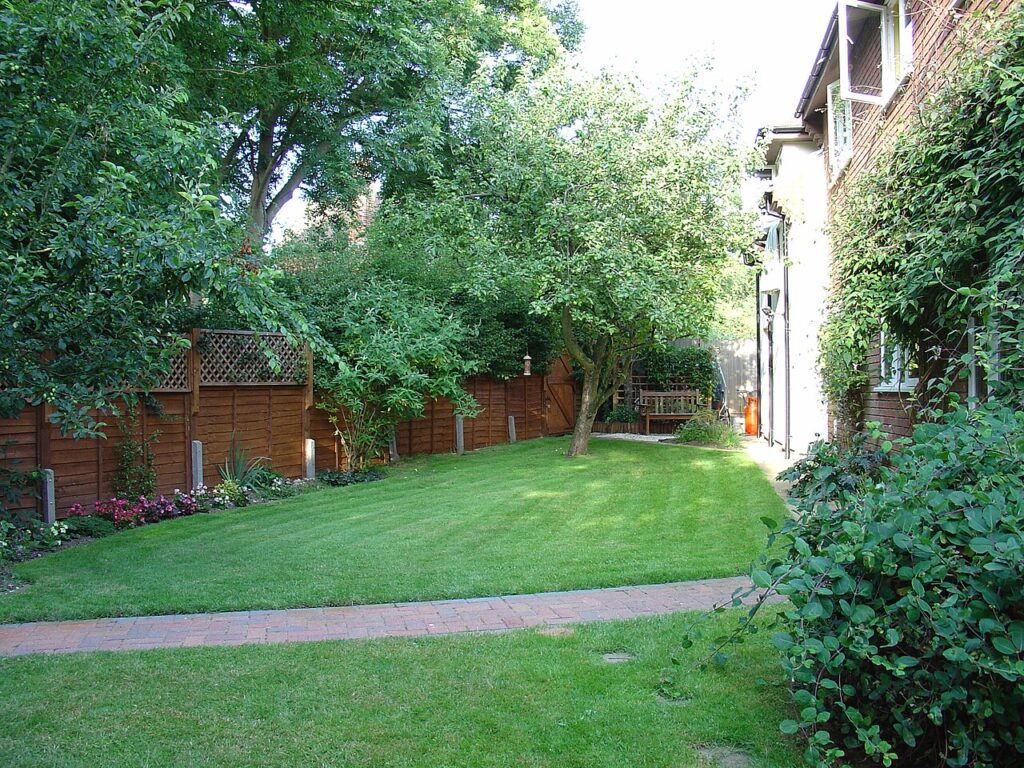
A hedge can create privacy while still looking like part of the landscaping. Evergreen shrubs, tall grasses, and other screening plants can provide a soft barrier between your yard and the surrounding properties.
For year-round coverage, look for evergreen plants that suit your local climate and soil. A nearby garden center can help you pick varieties that will reach the height and width you need.
Related: 12 Cheap Ways to Fill Raised Garden Beds
Install a Trellis with Climbing Plants
A trellis can add privacy without making the yard feel closed off. Install a trellis and let vines, roses, or other climbing plants grow across it to create a leafy screen.
Trellises work well when you only need to block one particular view, such as a window facing your patio. You can also weave string lights through the structure to make the area feel warm and inviting after dark.
Use Bamboo Carefully
Bamboo can create a tall, dense screen in a fairly short time. Since some varieties spread aggressively, grow them in containers or use root barriers to keep them contained.
A well-maintained bamboo screen can add height and greenery without taking up much horizontal space. Just choose the variety carefully and keep an eye on how it spreads.
Related: How to Build a Fire Pit in Your Backyard
Hang Outdoor Curtains
Outdoor curtains are an easy way to block a direct view of a patio or pergola. Hang them from a pergola, gazebo, or posts and pull them closed whenever you want more privacy.
You can leave them open for a breeze and close them during meals or quiet time outside. Look for weather-resistant fabric that fits with the rest of your outdoor furniture.
Add Shade Sails for Style and Coverage
Shade sails can do more than keep the sun off your seating area. Depending on how they’re positioned, they can also break up views from a nearby second-story window or balcony.
They come in several shapes and sizes, so you can find one that fits your yard. A properly placed sail can add coverage without making the space feel boxed in.
Plant Tall Trees for Long-Term Privacy
Tall trees can provide a natural screen along a property line and offer shade at the same time. Evergreen varieties such as arborvitae, cypress, and pine can provide year-round coverage.
Check the mature height and width before planting anything near a property line. Giving trees enough space from the start can help prevent problems with branches, roots, and overcrowding later on.
Install Lattice Panels
Lattice panels are a fairly easy way to add privacy to an existing fence or create a separate screen. Their open pattern blocks direct views while still letting light and air pass through.
You can also train climbing plants across the lattice to achieve greater coverage over time. This makes the panels useful for patios, decks, and other areas where you want a little separation.
Build a Stone or Masonry Wall
A stone or masonry wall can provide a sturdy privacy barrier while also serving as a strong visual feature in the yard. Depending on the property, it can even serve as a retaining wall or help define different outdoor areas.
Check local rules about wall height and property lines before starting construction. A wall that fits the style of your home and surrounding properties is less likely to look out of place.
Hang Privacy Screens
Privacy screens come in fixed and retractable versions made from materials such as wood, metal, and composite. They work well when you need coverage in one part of the yard rather than across the entire property.
A screen can be opened or moved to get a more open view. This gives you control over how much privacy you have without making a permanent change to the whole yard.
Try Outdoor Blinds
Outdoor blinds can help block views around patios and covered decks. Roll-up and Roman-style options can be installed between posts or along existing structures.
They’re useful around dining and seating areas where you want more privacy at certain times. You can raise them when you want an open view and lower them when the area feels too exposed.
Use Faux Hedges for Instant Coverage
Faux hedge panels can give you immediate greenery without waiting for plants to grow. Many newer options have a realistic appearance and require very little upkeep.
They can work well as a temporary screen while your real plants are getting established. They’re also handy for renters or anyone who doesn’t want to commit to permanent landscaping.
Install a Water Feature for Distraction
Privacy isn’t always about blocking what you can see from the yard. A fountain or small pond can add steady background noise, making nearby conversations and neighborhood sounds less noticeable.
A water feature won’t stop a neighbor from seeing into your yard. It can still make the space feel more peaceful and give you a little separation from the surrounding sounds.
Create a Living Wall
A living wall combines plants and vertical space to create a green privacy screen. Plant pockets, wall-mounted planters, and other systems can work well where there isn’t enough room for a full row of shrubs.
This is a useful option for smaller yards, patios, and balconies. Choose plants that can handle the amount of sunlight and watering the location receives.
Build a Pergola with Added Panels
A pergola can give a seating or dining area more structure while providing some shade. Adding lattice, curtains, or climbing plants can make the space feel much more private.
This setup works especially well if the main issue is being overlooked from a nearby deck or upper-level window. You can cover only the sides or sections that need it rather than blocking the entire yard.
Related: 16 Vining Plants to Cover Your Fences, Arbors, and Pergolas
Install a Fence Strategically
A fence may be the most practical choice if you need a clear privacy barrier. Wood, vinyl, and metal all offer different looks, so pick one that works with your home and the surrounding properties.
Check local height rules and property boundaries before putting one up. A fence that fits the neighborhood can give you privacy without making the yard feel unfriendly.
Related: If a fence falls between neighbors in California, who is responsible for repairs?
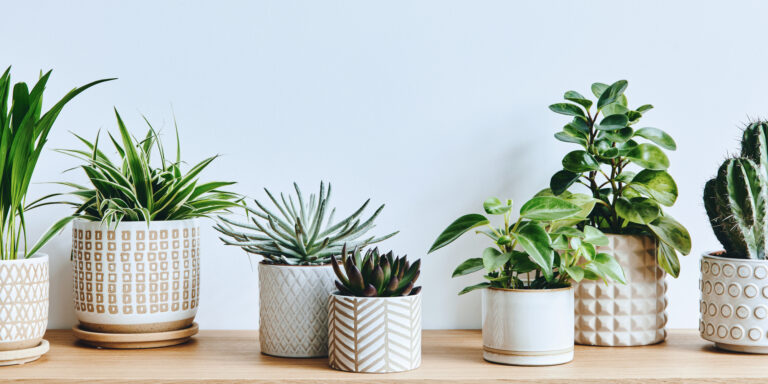
Add Shrubs and Large Potted Plants
Shrubs, tall grasses, and large planters can block specific sightlines without surrounding the entire yard. Place them near patios, pools, or seating areas where you need the most coverage.
Potted plants are especially handy because you can move them around as your needs change. They also give you a way to add privacy without committing to permanent landscaping.