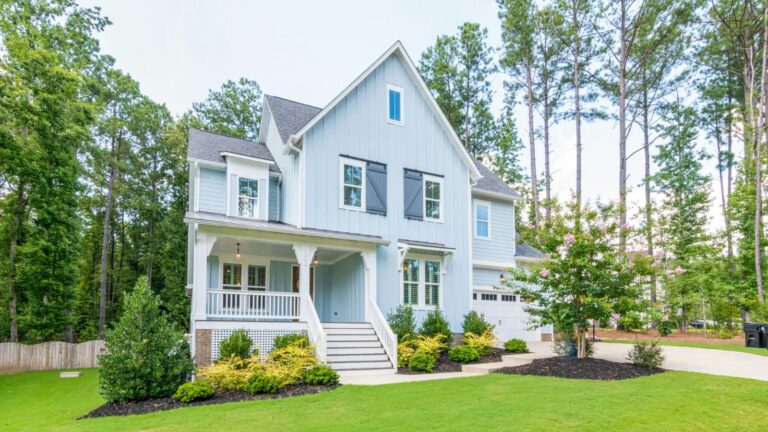
It’s easy to compare your property tax bill to those of the houses around you and wonder why yours is higher. Two homes can look almost identical from the street while having very different tax bills.
Property taxes are based on more than the size or appearance of a house. Assessed value, local tax rules, exemptions, property records, and other details can all affect what a homeowner pays.
Here are some common reasons your property tax bill might be higher than your neighbor’s.

Lot Size Differences
Two houses can look nearly identical but sit on very different amounts of land. A larger lot, a deeper yard, or an extra piece of property can increase the value used to calculate taxes.
Related: Does Turning Off the Lights Really Lower Your Electric Bill?
Timing of Property Assessments
Properties may be assessed at different times depending on local rules. One house could have a more recent assessment reflecting higher property values, while another is still based on an older valuation.
Zoning Classification
Nearby properties can have different zoning classifications even when they look similar. A residential property adjacent to a mixed-use property, or one with a different classification, may be valued and taxed differently.
Special Tax Districts
Some properties fall within special districts that collect money for schools, roads, public services, or other local projects. A house just outside the district may have a lower bill than one a few streets away.
Related: 9 Everyday Mistakes That Could Be Driving Up Your Electric Bill
Age of the Property
The age of a home can affect its assessed value, especially when older properties have not had major updates. Newer homes may have higher assessments because their values reflect more recent construction costs and sales.
Differences in Local Budgets
Property taxes help pay for schools, emergency services, roads, public buildings, and other local needs. Two nearby communities can have different tax rates because their budgets and service costs are different.
Property Tax Limits
Some states or local areas limit how much a property tax bill can increase from year to year. A homeowner who has owned a property for many years may benefit from those limits and pay less than someone who bought a similar home more recently.
Home Improvements
Major home improvements can increase the value used for tax purposes. A kitchen renovation, room addition, finished basement, or other large project may leave one home with a higher assessment than a similar house that has not been updated.
Related: 17 Grocery Shopping Habits to Break If Your Bill Keeps Getting Higher
Assessment Appeals
Homeowners can sometimes challenge an assessment if they believe their property has been valued too high. A successful appeal can lower the assessed value and reduce the tax bill.
Tax Exemptions
Some homeowners qualify for tax breaks based on factors such as age, military service, disability, or homestead status. A neighbor with an approved exemption may pay less even if both homes have similar values.
Purchase Timing
The year a home was purchased can affect its assessed value, depending on local tax rules. A house bought when prices were high may receive a different tax assessment than a similar home purchased many years earlier.
Errors in Records
Property records sometimes contain mistakes that affect a tax assessment. Incorrect square footage, missing or extra features, or outdated information can make a property appear more valuable than it really is.
Related: 15 Clever Ways to Stay Cool Without Sending Your Energy Bill Through the Roof
School District Boundaries
School districts are often funded in part through property taxes, and different districts can have different tax rates. A small boundary change can mean two nearby homes pay noticeably different amounts each year.