Most plumbing problems don’t show up out of nowhere. They often begin with small habits that seem harmless, then turn into clogged drains, leaking pipes, damaged fixtures, or expensive repairs.
The good part is that many of these problems are easy to prevent. A little care and a few changes around the house can help you avoid an unnecessary call to the plumber.
Pour Grease Down the Drain
Grease may pour easily while it’s hot, but it can coat the inside of your pipes as it cools and hardens. Let it cool in a container and put it in the trash instead of sending it down the drain.
Related: 10 Things You Should Stop Keeping on Your Bed
Overtighten Faucets and Plumbing Connections
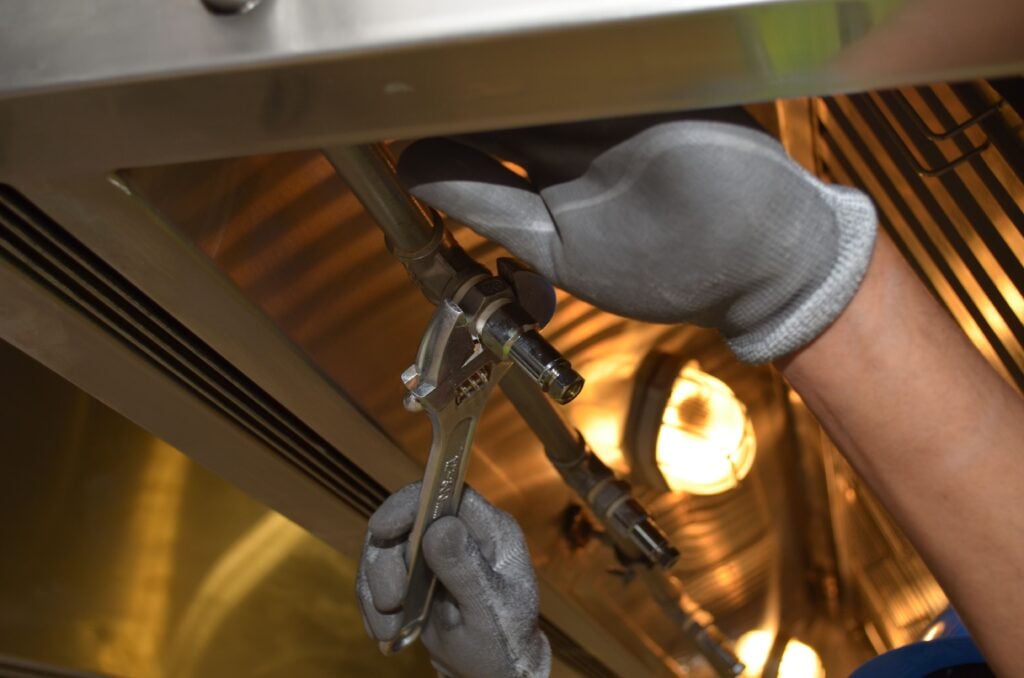
Cranking down on a faucet or fitting can damage the threads, squeeze out a rubber seal, or create a leak. Tighten connections enough to stop drips without forcing them past their normal stopping point.
Ignore Slow Drains
A slow drain is often one of the first signs that a clog is building. Deal with it early, before a small blockage turns into standing water or a full backup.
Related: 18 pointless things to get rid of right now
Pour Chemical Drain Cleaners Down Your Pipes
Strong drain cleaners can clear some clogs, but repeated use may damage certain pipes and fittings. A plunger, drain snake, or other gentle method is often a better first choice for a minor blockage.
Buy Cheap, Off-Brand Plumbing Fixtures
Very cheap faucets and showerheads may come with lower-quality parts that wear out sooner. Spending a little more on a reputable fixture can make future repairs and replacement parts much easier.
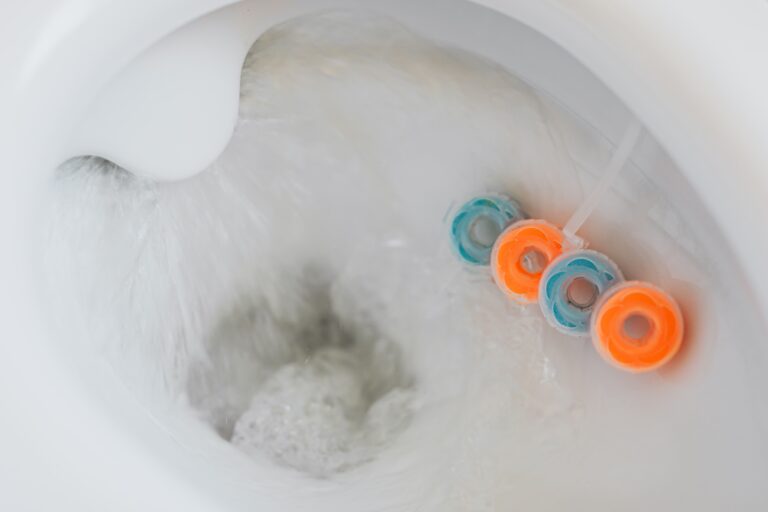
Use Toilet Tank Cleaning Tablets
Drop-in cleaning tablets may seem convenient, but some can damage rubber seals and other parts inside the toilet tank over time. That damage can lead to a running toilet, leaks, or the need to replace parts.
Related: 12 Things You Can Fix, Organize, and Secure With Zip Ties
Treat Your Garbage Disposal Like a Trash Can
A garbage disposal can handle small food scraps, but it isn’t meant for every leftover from dinner. Grease, bones, coffee grounds, pasta, rice, celery, and potato peels can cause clogs or put extra strain on the unit.
Skip Water Filtration
Hard water and sediment can leave mineral deposits on faucets, fixtures, and water heaters. Depending on your home’s water quality, a filter or water softener may help reduce that buildup and keep equipment working longer.
Ignore Hidden Plumbing Areas
Leaks don’t always happen somewhere you can see them right away. Check under sinks, around the water heater, and in basements or crawl spaces from time to time so small leaks don’t turn into water damage.
Related: Things I’ve Learned From Spending Way Too Much Time in Thrift Stores
Wait Too Long to Fix Small Leaks
A dripping faucet or a small pipe leak may seem like a minor annoyance, but the problem can worsen over time. Fixing a leak early is usually easier and less expensive than dealing with water damage later.
Flush Things That Don’t Belong in the Toilet
Toilets are made for human waste and toilet paper, not wipes, paper towels, cotton products, or other household items. Some products are marketed as flushable but can still contribute to stubborn clogs in home or sewer pipes.
Forget to Inspect Washing Machine Hoses
Washing machine hoses can crack, bulge, or weaken with age even when they look fine at first glance. Check them regularly and replace worn hoses before they split and release gallons of water into your home.