Fashion has a habit of bringing old trends back around. Something that looked completely outdated a few years ago can suddenly show up in stores, on celebrities, or all over social media. Sometimes the comeback works. Other times, it makes you wonder why anyone thought the trend was a good idea in the first place.
Most of us probably have an old photo that proves just how much fashion can change. Maybe it’s a pair of jeans that sat way too low, a hairstyle that required half a can of hairspray, or an outfit covered in rhinestones. At the time, it probably looked great. Looking back years later can tell a very different story.
Some older styles have made a welcome return, while others are better left as memories from their particular decade. These are some of the fashion trends that were once everywhere but haven’t aged quite as well.
Low Rise Jeans
Low-rise jeans dominated early 2000s fashion and became one of the defining looks of the decade. The waistband sat low on the hips, which meant that sitting down, bending over, or doing pretty much anything that involved movement could become a constant adjustment.
Celebrities and pop stars helped make the style hugely popular, but comfort was rarely its strongest point. Mid-rise and high-rise jeans eventually became popular alternatives, giving people a little more coverage while still leaving plenty of room for different styles and fits.
Velour Tracksuits
Velour tracksuits were a major early 2000s look, especially after celebrities started wearing them everywhere. A matching zip-up hoodie and pair of plush sweatpants could take you from a shopping trip to the airport with little effort, and the bigger the logo on the back, the more recognizable the outfit seemed.
There’s no denying they were comfortable, but the matching head-to-toe look eventually started to feel more like pajamas than something you’d wear outside the house. Modern athleisure gives people the same basic idea of comfortable clothing without requiring the entire outfit to match.
Shoulder Pads
Shoulder pads became a major part of 1980s fashion, especially in women’s suits, jackets, and dresses. They created a broad, structured silhouette that was meant to make the wearer look confident and commanding, but some versions went so far that the shoulders seemed to have a life of their own.
Structured shoulders still show up in modern clothing, but today’s versions tend to be much more subtle. The huge, boxy shoulder pads of the 1980s remain one of the easiest ways to spot the decade in an old photograph.
Related: 1970s Trends That Changed Fashion, Music, and Redefined Self-Expression
Platform Flip Flops
Platform flip-flops took a basic summer shoe and gave it a thick, oversized sole. They became popular in the late 1990s and early 2000s, offering a little extra height while keeping the casual feel of a flip-flop.
The problem was that the added height didn’t exactly make them easier to walk in. The thick soles could feel awkward and unstable, especially on uneven sidewalks or stairs. They looked fun in theory, but plenty of people probably remember wobbling around in them more than they remember enjoying them.
Rhinestone Encrusted Denim
There was a time when plain denim apparently wasn’t enough. Jeans, jackets, handbags, and even denim skirts started showing up covered in rhinestones, glitter, studs, and elaborate decorations.
A little sparkle can work, but some of these pieces went far beyond a small detail. Entire pockets or pant legs could be covered in shiny embellishments, making a basic pair of jeans look more like something meant for a stage performance. Simple denim has a reason it keeps coming back, and it doesn’t need much decoration to look good.
Related: Fashion Trends Younger Generations Embrace That Older Generations May Not
Bleached Spiky Hair
The early 2000s produced some memorable hairstyles, and bleached spiky hair was right near the top of the list. Hair was cut short, bleached or highlighted, and then coated with enough gel to keep every spike firmly in place.
Boy bands and young celebrities helped push the style into the mainstream, and plenty of teenagers followed along. It was supposed to look edgy and cool, but looking back at old photos, the amount of styling product involved is often the first thing people notice.
Overalls With One Strap Down
Overalls have always been practical, but leaving one strap hanging down was supposed to make them look more relaxed and rebellious. Instead of looking like a deliberate outfit choice, though, the loose strap could make it seem like someone simply forgot to finish getting dressed.
Overalls have made their way back into modern wardrobes, but the styling is usually cleaner. Wearing both straps and choosing a good fit can give you the same casual look without the feeling that something is missing.
Sagging Pants
Sagging pants became closely associated with certain streetwear styles during the 1990s and early 2000s. The idea was to wear pants low enough that the underwear waistband showed above them, making the fit itself part of the look.
The style became a source of plenty of debate, but practicality was another issue. Pants worn that low could make walking, running, and sitting more difficult, especially if they were loose enough to keep sliding down. Relaxed and baggy fits still have a place in fashion today without requiring quite so much adjustment.
Related: Your Clothes Shouldn’t Age You — but These 12 Fashion Mistakes
Hobble Skirts
Hobble skirts appeared in the early 1900s and were known for their extremely narrow hems. The skirt was so tight around the lower legs that it restricted the wearer’s stride, forcing her to take very small steps.
The dramatic shape may have looked fashionable, but actually moving around in one was a different matter. It was difficult to walk normally, climb stairs, or move quickly, which made the style rather impractical for everyday life. Today, hobble skirts are more of a historical fashion curiosity than something most people would want hanging in their closet.
Bucket Hats
Bucket hats have gone through several periods of popularity, particularly in casual and streetwear fashion. Their soft brim and loose shape made them practical for sun protection, but the look itself has always divided people.
Some people can make a bucket hat look perfectly at home with a casual outfit. For others, it still brings to mind fishing trips, outdoor chores, or vacation photos. The trend keeps returning every so often, but it has never become a universally loved accessory.
Related: When Did Thrift Stores Start Pricing Fast Fashion Like It’s Vintage?
Mutton Chop Sideburns
Mutton chop sideburns are hard to miss. The style involves growing thick facial hair along the sides of the face while leaving the chin mostly or completely bare, creating a look that was once associated with rugged masculinity.
The style has strong ties to 19th century grooming and has occasionally returned as a costume or retro look. For everyday grooming, though, the dramatic shape can feel more theatrical than practical. Modern facial hair styles tend to favor more even shapes that require less commitment.
Bell Bottoms
Bell bottoms became one of the most recognizable clothing styles of the 1970s. The pants fit more closely through the hips and thighs, then flare dramatically from the knee downward.
The style has returned in different forms over the years, but the extremely wide versions could be surprisingly impractical. Long hems could drag along the ground, collect dirt, or catch on things while walking. Modern flared pants usually keep the basic shape without quite so much extra fabric.
The Mullet
The mullet became famous for its unusual combination of short hair in the front and longer hair in the back. It was associated with rock musicians, athletes, and people looking for a hairstyle that stood out from the crowd.
The style has had several revivals, including some more modern versions that are less extreme than the originals. Still, the classic mullet remains one of those hairstyles that can instantly transport you back to a particular era.
Ugg Boots
Ugg boots became a huge part of casual fashion during the 2000s. Their soft lining made them incredibly comfortable, and many people treated them almost like slippers that happened to be acceptable to wear outside the house.
Their bulky shape was harder to pair with some outfits, and they weren’t the best choice for wet weather. They continue to make seasonal appearances, but their place in fashion has always been a little more debated than their comfort level.
“Juicy” Text Pants
The early 2000s had a particular fascination with putting large words across the back of sweatpants. Juicy Couture became especially well known for this style, with its logo and lettering displayed across the seat of velour pants.
The look was playful and instantly recognizable, but it also made the back of the pants the outfit’s main focus. Plenty of people who wore them back then now look at old photos and wonder what made giant lettering across their backside seem like such a good idea.
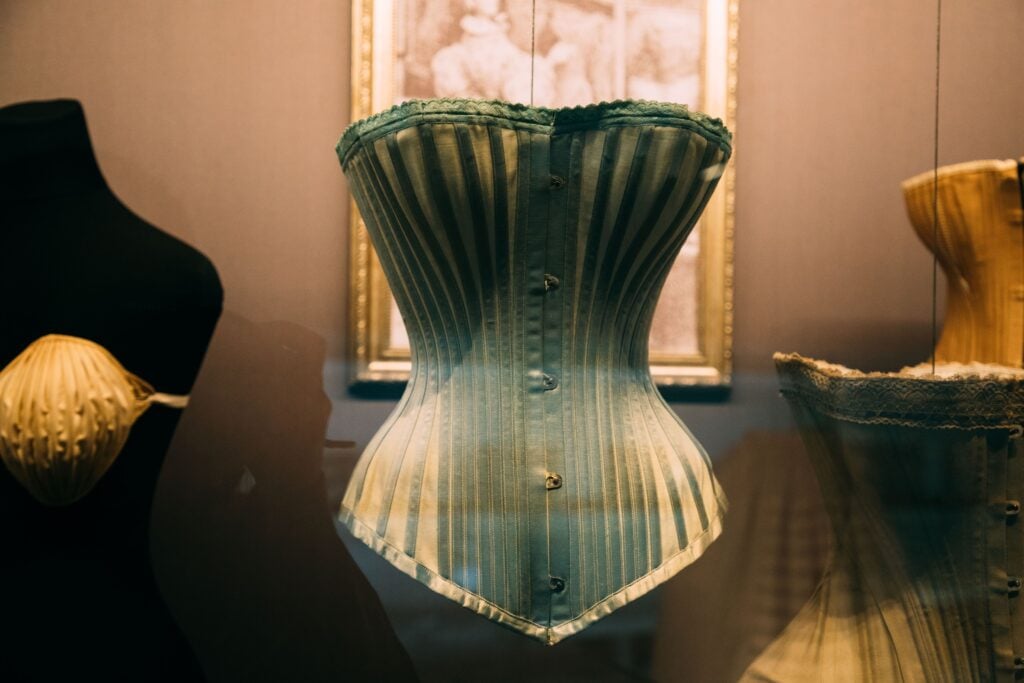
Corsets
Corsets have a long history in fashion and were once worn to create a tightly shaped waist and a particular body silhouette. Some historical corsets were laced extremely tightly, making them restrictive and uncomfortable for extended wear.
Modern corset-inspired tops are a different story, since many are made more for appearance than waist reduction. The extreme versions of historical corsetry, though, were hardly practical for everyday movement and show just how different clothing expectations could be in the past.
Neon Leggings
Bright neon leggings had a major moment in workout and casual fashion. Electric shades of pink, green, yellow, and orange made it nearly impossible for the wearer to blend into the background.
The problem wasn’t the color itself. It was figuring out what to wear with it without creating an outfit where every piece competed for attention. Modern activewear still comes in bright colors, but neutral shades and simpler designs tend to be easier to wear from the gym to everyday errands.