Starting plants from seed is a budget-friendly way to grow vegetables, herbs, and flowers at home. But when trays stay empty, or seedlings grow weak and spindly, a few early mistakes may be to blame.
Even good seeds need the right conditions to sprout and grow into healthy plants. Here are 15 common seed-starting mistakes to watch for before they cause trouble in your garden.
Soil Temperature Isn’t Right
Seeds need the right temperature to germinate, and the preferred range depends on the plant. Tomatoes, peppers, and eggplants need warmer conditions than cool-weather crops like lettuce and spinach, so check the seed packet before planting.
Related: 15 Ways to Prepare for Emergencies Without Breaking the Bank
Watering Too Much or Too Little
Seeds need steady moisture to sprout, but saturated soil can cause them to rot before they emerge. Keep the seed-starting mix evenly damp, and use a spray bottle or fine-spout watering can to avoid washing tiny seeds out of place.
Related: 14 Everyday Foods You Should Be Refrigerating but Probably Don’t
Forgetting About Airflow
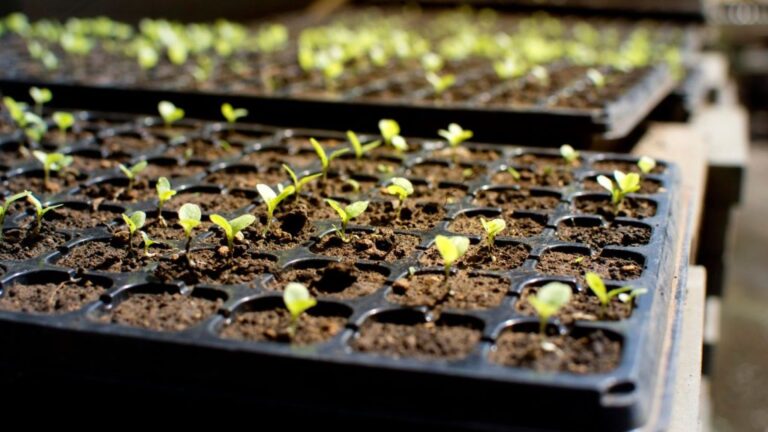
Seed trays covered with humidity domes can stay too damp if they never get fresh air, which may encourage mold and fungal problems. Open the cover briefly each day and remove it after most seedlings emerge, while keeping an eye on how quickly the mix dries.
Related: 12 Juicing Mistakes to Avoid Before You Feed These Foods Into Your Machine
Using Old Seeds
Seeds lose their ability to germinate as they age, though some types stay viable much longer than others. If you’re unsure whether a packet is still good, test a few seeds on a damp paper towel before planting an entire tray.
Related: Don’t Toss Your Eggshells, Try This Simple Outdoor Use Instead
Giving Seeds the Wrong Amount of Light
Some seeds need light to germinate, while others must be covered with soil to sprout properly. After seedlings appear, provide enough bright light to keep their stems sturdy and prevent them from stretching toward a window.
Planting Seeds Too Deep
Seeds planted too deep may run out of stored energy before reaching the light. A common guideline is to plant at a depth of about twice the seed’s width, but always follow the packet instructions because some seeds need little or no covering.
Using Heavy Garden Soil
Garden soil can compact inside seed trays, restricting drainage and making it harder for young roots to grow. Choose a lightweight seed-starting mix instead, since it’s made for containers and provides better conditions for germination.
Feeding Seedlings Too Early
Seeds carry stored nutrients that support germination and the first stages of growth, so you usually don’t need fertilizer right away. Wait until seedlings develop their first true leaves, then follow the fertilizer label and use a suitable dilution if feeding is needed.
Ignoring Pests or Disease
Fungus gnats, mold, and damping-off disease can damage seedlings or cause them to collapse shortly after sprouting. Wash used containers before planting, use fresh seed-starting mix, and avoid keeping trays constantly wet.
Giving Up Too Soon
Some seeds sprout in just a few days, while others may take several weeks depending on the plant and growing conditions. Check the expected germination time on the packet before giving up on a tray that hasn’t shown any growth yet.
Skipping Seed Dormancy Requirements
Some seeds need special treatment before they germinate, such as cold storage, soaking, or scarification to weaken a hard seed coat. Check the growing instructions for each variety before planting, since the right treatment can make the difference between a tray that sprouts and one that stays empty.
Overlooking Water Quality
Most household tap water is suitable for starting seeds, but very salty water or water softened with sodium can cause problems for some plants. If seedlings repeatedly struggle despite proper care, check your water source and consider testing it before switching to filtered or collected rainwater.
Crowding Too Many Seeds Together
Sowing extra seeds may seem like a safe bet, but overcrowded seedlings compete for light, moisture, and nutrients. Follow the spacing directions when sowing, then thin the seedlings as needed to give the remaining plants enough room to grow.
Choosing Seeds That Don’t Match Your Climate
A plant that thrives in one region may struggle in another because of differences in temperature, humidity, and growing-season length. Choose varieties suited to your local conditions and check your area’s recommended planting dates before starting seeds.
Using Containers Without Drainage
Seed trays and pots need drainage holes so excess water can escape instead of collecting around young roots. If your containers lack holes, choose trays with drainage or use them as outer covers for smaller pots that drain well.
Starting seeds takes a little practice, and a disappointing tray doesn’t always mean you’ve done something wrong. Pay attention to temperature, moisture, light, and the instructions on each seed packet, and you’ll give your seedlings a better chance of getting off to a healthy start.