Buying a first home has long been a major financial goal, but it is becoming harder for many young Americans to reach. An analysis by Clever Real Estate using 20 years of U.S. Census data found that homeownership among Americans under 30 fell from 18.5% in 2005 to 11.8% in 2024, a 36-point drop.
The difference between younger buyers and baby boomers is even more striking in the latest figures. Across the country, Gen Z has a homeownership rate of 4.5%, compared with 73.1% for baby boomers and 44.1% for millennials.
Some cities show a particularly wide divide between younger and older homeowners. Here are 10 metro areas where Gen Z trails baby boomers by the largest margins.
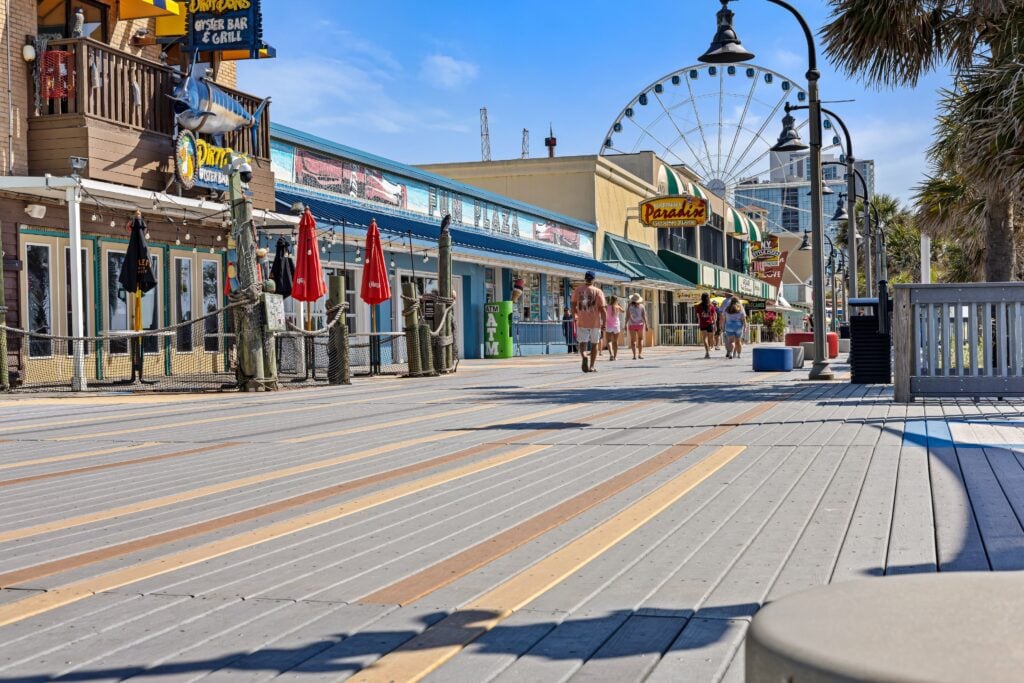
Myrtle Beach, South Carolina
Myrtle Beach has the widest Gen Z-to-boomer homeownership gap in the country, at 80.9 percentage points. Only 6% of Gen Z adults own homes there, while the rate for baby boomers is 86.9%.
Related: 13 Most Underrated Cities in America
North Port, Florida
North Port has a 78.7-point gap between Gen Z and baby boomers. The metro also has one of the widest differences between millennial and boomer homeownership rates, suggesting that younger generations face similar obstacles to buying property.
Related: The Best U.S. Cities for Vintage Shopping
Madison, Wisconsin
Madison ranks third, with a 75.9-point difference between Gen Z and baby boomer homeownership. Only 2.2% of Gen Z adults own homes in the metro, compared with much higher ownership among older residents.
Related: America’s Healthiest Cities Revealed—California Takes the Top Spots
Knoxville, Tennessee
Knoxville has a 75.6-point gap between Gen Z and baby boomers. While its typical home value is close to the national figure, younger adults still trail older generations by a wide margin in homeownership.
Related: Bed bugs are thriving in these U.S. cities — and some are major vacation destinations
Deltona, Florida
Deltona has a 75.5-point difference between Gen Z and baby boomer homeownership rates. The metro also ranks among the places with the widest millennial-to-boomer gap, showing that the challenge extends beyond the youngest adult generation.
Cape Coral, Florida
Cape Coral has a 75.1-point gap between Gen Z and baby boomers. Baby boomer homeownership stands at 78.6%, while Gen Z’s rate is just 3.6%.
Provo, Utah
Provo stands out because millennials have a relatively strong homeownership rate there, while Gen Z remains far behind baby boomers. The metro has a 75-point gap between the two generations, with Gen Z ownership slightly above the national average.
Boise City, Idaho
Rising housing costs in Boise have made buying a home harder for many younger residents. The metro has a 74.8-point Gen Z-to-boomer homeownership gap, and its typical home value is $485,780.
Grand Rapids, Michigan
Grand Rapids has one of the higher Gen Z homeownership rates on this list, at 6.7%. Baby boomers have an ownership rate of 80.8%, leaving a 74.1-percentage-point gap.
Minneapolis, Minnesota
Minneapolis rounds out the list with a 73.4-point difference between Gen Z and baby boomer homeownership. Millennials fare better than Gen Z in the metro, but younger adults still face a much steeper path to homeownership than older residents.