Marie Kondo’s tidying philosophy has encouraged people worldwide to rethink what they keep and how they use their living spaces. Her KonMari method asks people to keep items that bring joy and let go of belongings that no longer serve them, which can mean taking a closer look at the everyday things that quietly pile up.
So, what might this mean for your own home? Here are 11 kinds of clutter her tidying philosophy may encourage you to reconsider, from old paperwork to forgotten beauty products.
Sentimental Clutter
Old birthday cards, childhood drawings, ticket stubs, and souvenirs can bring back wonderful memories, but keeping every memento can leave drawers and shelves overflowing. Choose the pieces that hold the most meaning, and take photos of others before letting them go if you’d like to preserve the memory.
Related: 10 “Tacky” Household Items You Should Get Rid Of
Excessive Storage Containers
Baskets, bins, jars, and boxes can help organize a home, but collecting too many can create more clutter. Keep the containers you regularly use and let go of extras that sit empty or take up space you could use for something else.
Related: Save Your Onion Skins for These 22 Clever Household Uses
Expired or Unused Beauty Products
Bathroom cabinets often hide dried-out mascara, expired skincare products, and lotions that have been sitting untouched for months. Check expiration dates and product condition, discard items that are no longer safe to use, and keep the products that suit your current routine.
Related: These Common Household Habits Could Be Making Your Home Dustier
Broken or Unusable Items
A chipped mug, a lamp that never works, or a pillow with a torn cover can linger long after they stop being useful. Repair items you genuinely plan to use, and recycle or dispose of those you can’t fix.
Related: Keep a Box of Toothpicks Handy for These Everyday Household Fixes
Excessive Decor
Decorative figurines, souvenirs, and small ornaments can make a home feel personal, but too many pieces can make shelves and tables look crowded. Display the decorations you love most and store or donate the rest to give each piece room to stand out.
Clothing That No Longer Fits
Closets often hold clothes from an earlier stage of life, including pieces that no longer fit or haven’t been worn in years. Keep items that fit your current needs and make you feel good, and consider donating clean clothes that someone else could use.
Unused Kitchen Gadgets
Avocado slicers, egg poachers, specialty cutters, and other one-purpose gadgets can quickly fill kitchen drawers. Keep the tools you reach for regularly and pass along the ones that have been collecting dust.
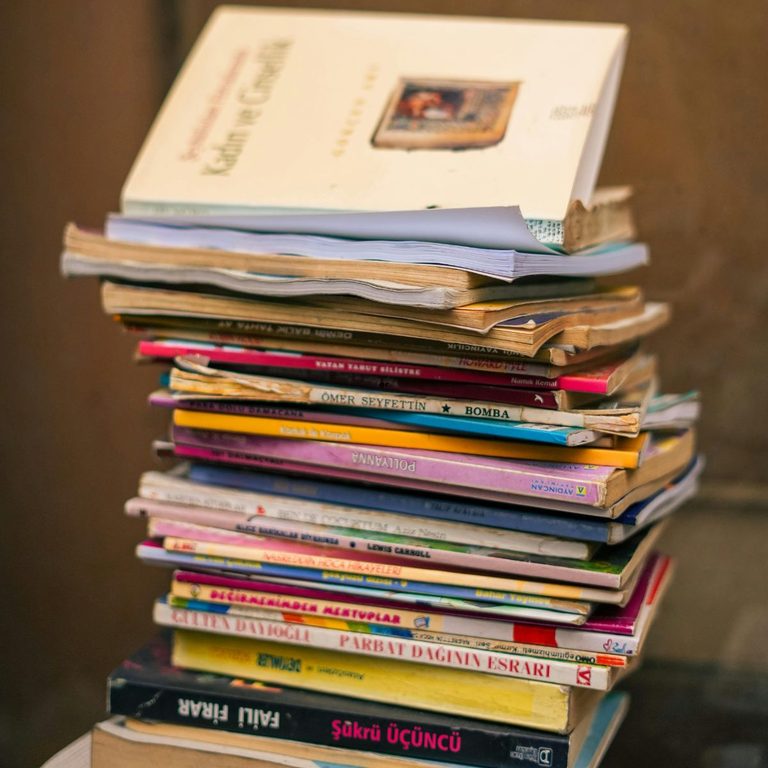
Stacks of Books
Books can be treasured possessions, but unread novels, outdated guides, and titles you know you’ll never revisit may take up more shelf space than you’d like. Keep the books you enjoy or plan to read, and donate or pass along those that are ready for another reader.
Outdated Papers and Bills
Old receipts, expired coupons, and paperwork you no longer need can build up in drawers, folders, and kitchen counters. Shred sensitive documents you can discard, keep records you still need, and store important digital copies securely when appropriate.
Free Promotional Items
Branded pens, giveaway tote bags, plastic trinkets, and promotional mugs can accumulate simply because they were free. Keep the items you genuinely use, decline extras you don’t need, and donate usable belongings that could benefit someone else.
For more about her tidying philosophy, visit Marie Kondo’s official website.
Duplicate Items
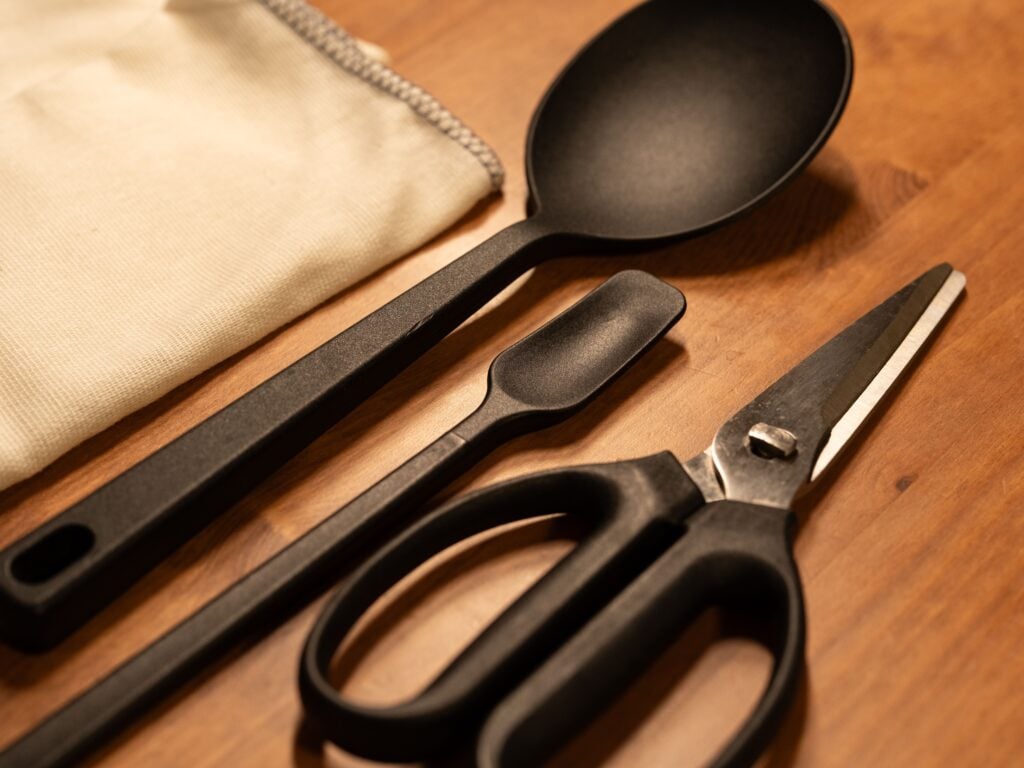
Owning several versions of the same item can make cupboards and drawers harder to manage, especially if most of them rarely get used. Keep enough measuring cups, scissors, utensils, and other household basics for your needs, and pass along spare sets that serve no real purpose.