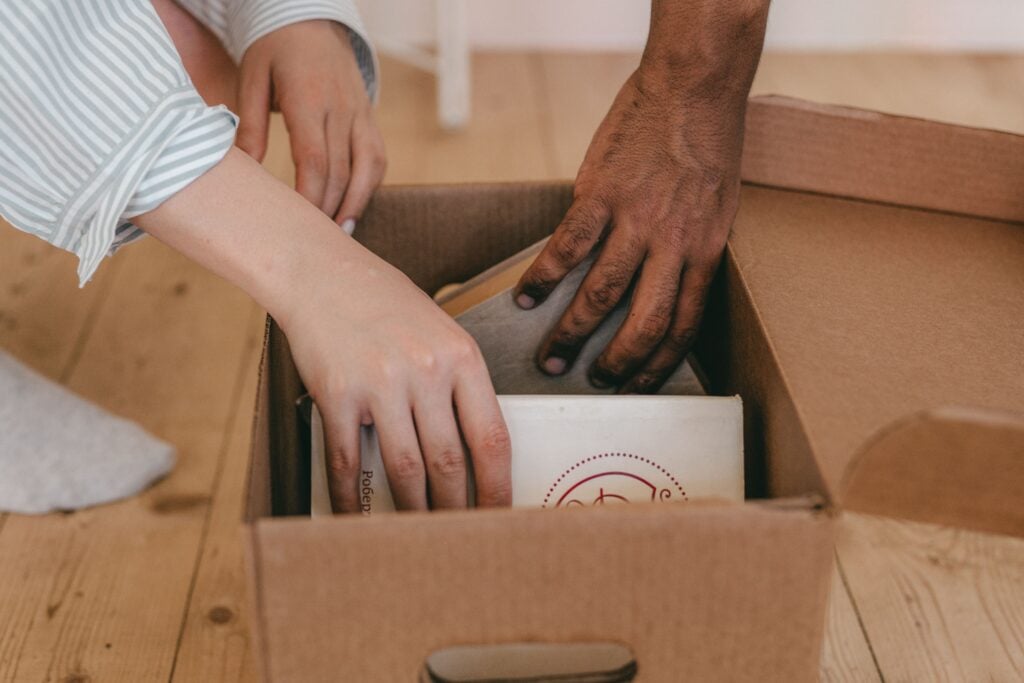
Decluttering usually starts with a few simple tasks: clearing out closets, sorting through the garage, and deciding what to do with things you no longer need. Donating can be a good way to pass along useful belongings, but some items are better handled through recycling, special collection services, or other disposal options.
Thrift stores have rules about what they can accept, and those rules vary by organization and location. Before loading up your car, check this list to avoid bringing items a donation center may have to turn away.
Mattresses and Bedding
Many thrift stores refuse mattresses, box springs, pillows, and used mattress pads because of sanitation concerns, bedbugs, and other pests. Check with local furniture charities or recycling programs to see whether they can accept or process your bedding elsewhere.
Related Article: 16 Surprisingly Valuable Items People Undervalue During Decluttering
Baby Gear and Children’s Safety Items
Used car seats, cribs, bassinets, walkers, and high chairs may be refused because their safety history and current condition can be difficult to verify. Check for recalls and contact the manufacturer or local waste service for guidance on handling outdated, damaged, or unsafe items.
Wet, Moldy, or Mildewed Items
Keep clothing, furniture, books, and other belongings with mold or moisture damage out of donation bags. These problems can spread to other goods in storage and may expose staff to irritating mold or mildew.
Broken or Severely Damaged Items
Thrift stores generally want goods they can sell or pass along without major repairs, so they may refuse heavily stained clothing, broken furniture, and nonworking appliances. When possible, recycle repairable materials, arrange repairs, or use the appropriate local disposal service for items you can’t salvage.
Related Article: Common Kitchen Items That May Be Harming Your Health
Expired or Opened Cosmetics
Stores commonly refuse opened makeup, used skincare products, and expired cosmetics because they can’t verify their cleanliness or safety. Some organizations may accept unopened products, so contact the donation center before dropping them off, and dispose of expired products according to their packaging instructions.
Medical Equipment and Supplies
Wheelchairs, walkers, crutches, braces, and other medical equipment may require inspection, cleaning, or specialized handling before someone else can use them. Contact medical equipment reuse programs, disability support organizations, or local charities to ask whether they accept your particular item.
Oversized Furniture and Heavy Equipment
Stores may decline large cabinets, exercise machines, bulky furniture, and other heavy objects if they lack the room, staff, or transport to handle them. Call ahead to ask about size limits and pickup services, or list suitable items for local pickup.
Hazardous or Flammable Items
Never put paint, gasoline, propane tanks, fireworks, solvents, or household chemicals in ordinary donation bins because they can cause fire, chemical, or other safety risks. Take them to an approved household hazardous waste collection site and check local guidance before transporting or disposing of them.
Related Article: 14 Garage Sale Items Women Buy Whenever They Spot Them
Firearms, Ammunition, and Explosive Items
Thrift stores are not equipped to accept or inspect firearms, ammunition, explosives, or similar dangerous materials. Contact local law enforcement or the appropriate licensed service for instructions on safe, lawful handling rather than placing these items in a donation box.
Large Appliances and Certain Electronics
Some donation centers refuse refrigerators, ovens, washers, dryers, air conditioners, and other large appliances because testing, transport, and disposal can be costly. Check whether a local reuse program accepts working appliances, or look for approved recycling services that handle appliances and electronics.
Food, Drinks, and Personal Care Products
Many thrift stores do not accept food, beverages, or opened toiletries because of storage, expiration, and hygiene concerns. Unopened, in-date food may suit a food bank or community pantry, while toiletries should go to an organization that confirms it accepts them.
Construction and Home Improvement Materials
A store may refuse leftover carpet, plumbing supplies, blinds, curtain rods, and office fixtures if it has limited storage space or little demand for them. Try a building-material reuse center, a local freecycling group, or a marketplace where someone working on a project can collect suitable materials.
Loose Rags and Cleaning Materials
Thrift stores rarely sell old rags, stained cleaning cloths, and used household wipes well. Keep clean, usable cloths for home cleaning, and discard greasy, chemical-contaminated, or heavily soiled materials according to local waste guidelines.
Related: Everyday Items That Are Almost Always Worth Buying Secondhand
Old Print Materials
Donors may decline outdated magazines, newspapers, and large encyclopedia sets because they take up shelf space and can be difficult to sell. Check whether a library, school, recycling service, or community group accepts the materials before putting them in the trash.
Other Posts You Might Like
- 20 Collectibles in Your Parents’ House That Could Be Worth a Fortune
- 13 Random Items in Your Home That Could Be Worth Thousands
- From Oil Lamps to Porcelain Pigs, These Are the Strangest Things People Collect
- 13 Garage Sale Items That Collectors Actively Look For (and Pay Well For)
- 17 Everyday Items in Your Kitchen That Are Secretly Valuable