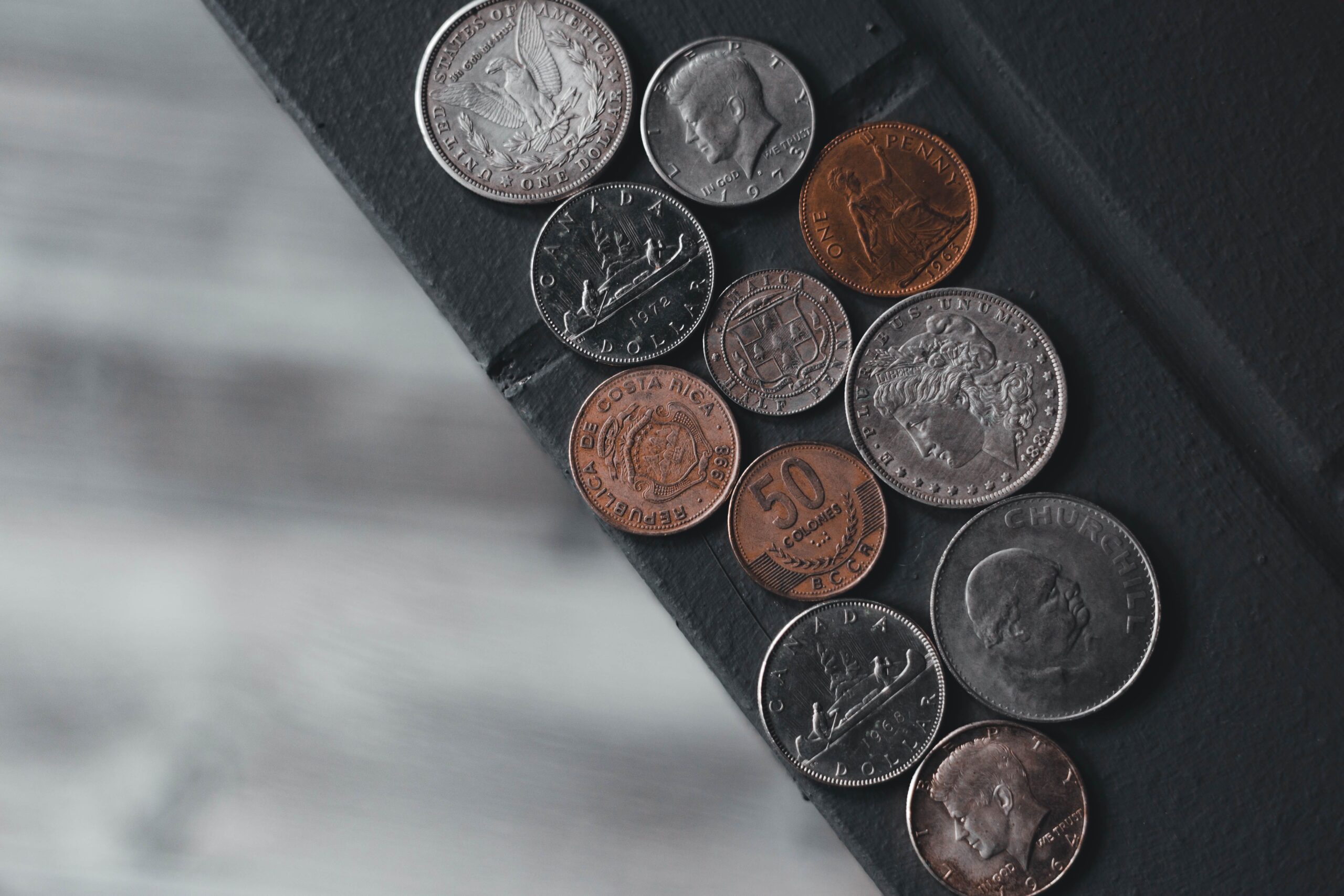
Half dollars aren’t coins you come across very often these days. Plenty of people go years without seeing one in their change, so an old half dollar tucked away in a coin jar, drawer, or family collection is worth checking.
Some half dollars are valuable because they contain silver, while others are sought after because of their low mintage, unusual features, or place in American history. A few rare varieties and minting errors can also bring much higher prices than their 50-cent face value.
If you have an old collection sitting around the house, take a closer look before spending or giving away those half dollars. Here are 10 coins that collectors often keep an eye out for.
1794 Flowing Hair Half Dollar
The 1794 Flowing Hair half dollar is one of the earliest half dollars made by the United States Mint. Very few examples have survived, making genuine coins from this year especially interesting to collectors of early American currency.
Their age, rarity, and historical importance can make them extremely valuable at auction. Condition plays a major role, and well-preserved examples can attract particularly strong interest.
1838-O Capped Bust Half Dollar
The 1838-O Capped Bust half dollar is tied to the early years of the New Orleans Mint. Its low production numbers and limited number of surviving examples make it a scarce coin.
Collectors value this issue for its connection to an important period in U.S. minting history. Finding one in an old family collection would be quite a surprise.
1919-D Walking Liberty Half Dollar
The Walking Liberty half dollar is one of the most recognizable designs in American coin history. The 1919-D issue, produced at the Denver Mint, can be especially difficult to find in excellent condition.
Many surviving coins have noticeable wear from years of circulation. Examples with sharp details and fewer marks are much more appealing to collectors.
Related: The Most Valuable Pennies Still Hiding in Circulation Today
1976-S Kennedy Silver Half Dollar
The 1976-S Kennedy half dollar was released for the nation’s Bicentennial celebration and carries the dual date “1776-1976.” Its reverse features Independence Hall, a departure from the usual presidential seal design.
The San Francisco Mint produced silver versions for collectors, along with other Bicentennial coins. Silver content, condition, and whether the coin is a proof all play a part in determining its value.
1964 Kennedy Half Dollar
The 1964 Kennedy half dollar was the first coin of its kind released after President John F. Kennedy’s assassination. It was made with 90% silver, which gives it value beyond its original 50-cent denomination.
Millions were minted, so ordinary circulated examples aren’t particularly rare. Coins in excellent condition can be worth more to collectors, and their silver content makes them worth checking even if they show some wear.
1974-D Kennedy Half Dollar Double Die Obverse
The 1974-D Kennedy half dollar has a doubled-die variety that attracts attention from coin collectors. On genuine examples, doubling can be seen in parts of the lettering and other design details.
It’s easy to mistake ordinary machine doubling or damage for a real doubled die. Compare any suspected example with trusted coin references or ask an experienced dealer to examine it.
1972-D Kennedy Half Dollar No FG
The 1972-D Kennedy half dollar with the missing “FG” initials is a variety collectors look for. Those initials stand for Frank Gasparro, the artist responsible for the coin’s reverse design.
On this variety, the initials are missing from the area where they normally appear near the eagle. Coins with the correct characteristics, particularly those in strong condition, can be worth more than standard examples from the same year.
1971-D Silver Kennedy Half Dollar
Regular 1971-D Kennedy half dollars were made with copper-nickel clad compositions rather than silver. A genuine example struck on a silver planchet would be an unusual minting error and an extremely rare find.
Coins like this can attract considerable interest from collectors, but authentication matters before anyone assigns a value. A suspected silver error should be examined by a reputable coin dealer or professional grading service.
1964-D Kennedy Half Dollar
The Denver Mint produced millions of Kennedy half dollars in 1964, and many remain in collections today. Finding one with very little wear, clean surfaces, and sharp details is a different story.
Coins that have been carefully stored can be worth more than heavily circulated examples. Collectors who focus on Kennedy half dollars often pay close attention to condition when evaluating these pieces.
1807 Draped Bust Half Dollar
The 1807 Draped Bust half dollar comes from the early years of the United States Mint. Its age and classic design make it an interesting piece for collectors of early American coins.
The coin’s value depends heavily on its condition, rarity, and authenticity. Well-preserved examples can attract strong interest from collectors who specialize in early U.S. currency.
Before selling an old half dollar, take time to check its date, mint mark, condition, and any unusual features. If a coin looks rare or has a possible minting error, get an opinion from a reputable dealer or professional grading service before accepting an offer.