There’s nothing quite as frustrating as buying fresh produce, putting it away, and finding it wilted or mushy just a few days later. Sometimes the problem isn’t the food itself but where you’ve been storing it.
Some fruits release ethylene, a natural gas that helps them ripen. Other fruits and vegetables are sensitive to ethylene, so keeping them nearby can cause them to ripen or deteriorate faster than you’d like.
Moisture, temperature, and airflow also affect how long produce stays fresh. A few small changes to where you store your groceries can help prevent food from going bad before you get a chance to eat it.
Here are 14 produce pairings worth paying attention to.
Apples and Bananas
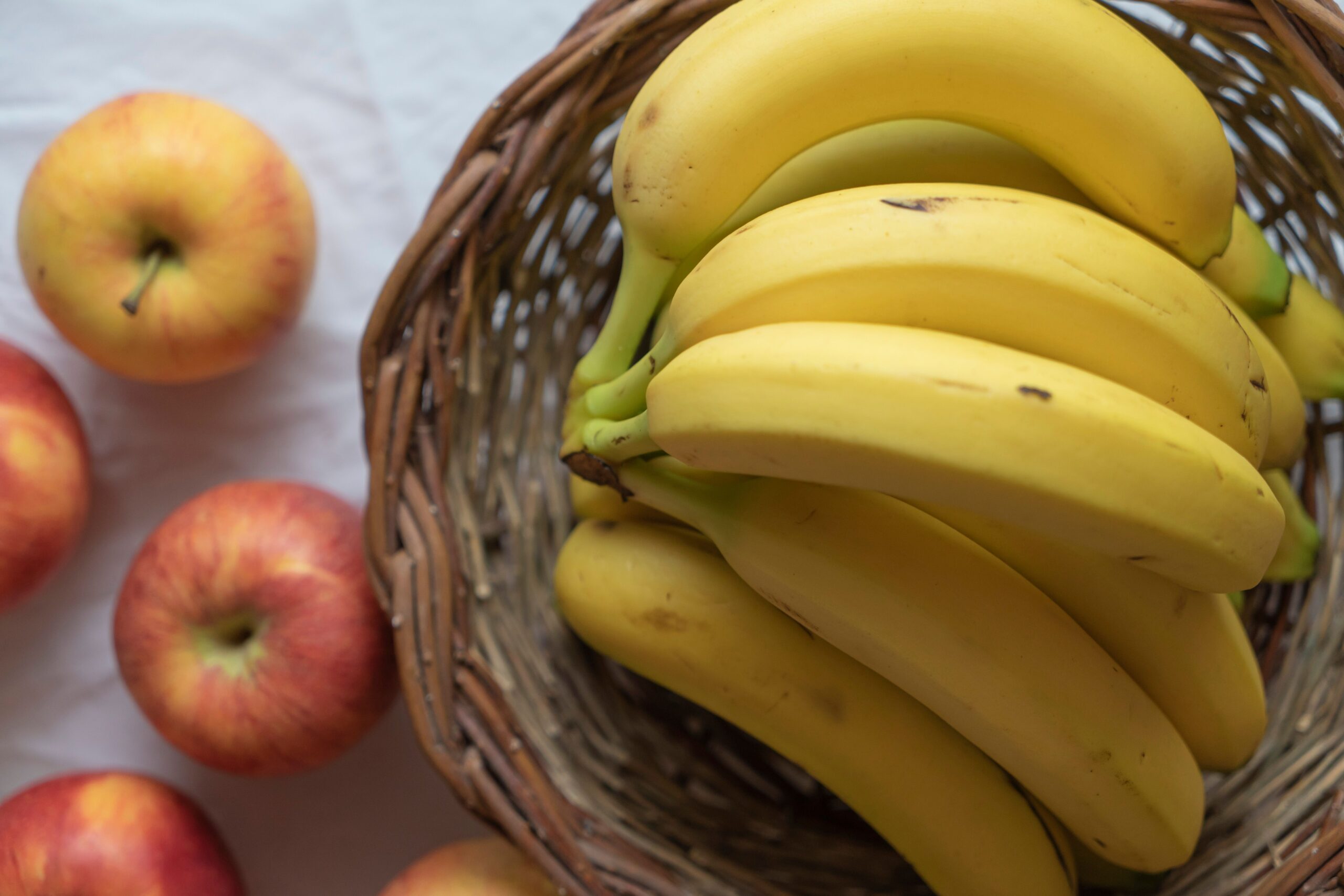
Apples and bananas both release ethylene as they ripen, which can speed up ripening in nearby fruit. If your bananas are already turning yellow, keeping them beside a bowl of apples may leave you with spotted, overripe bananas sooner than expected.
If you like buying bananas a few days before you plan to eat them, keep them away from apples. This can help you get a little more time out of both.
Related: Banana Peels Might Be One of the Most Underrated Kitchen Items
Tomatoes and Cucumbers
Tomatoes release ethylene as they ripen, while cucumbers can be sensitive to the gas. Keeping them together for an extended period may cause cucumbers to yellow or lose their firmness sooner.
There’s no problem combining them in a salad or sandwich right before serving. For storage, give cucumbers their own spot in the refrigerator and keep tomatoes at room temperature until ripe.
Melons and Berries
Some ripe melons, particularly cantaloupe, release ethylene that can affect nearby produce. Berries are also delicate and can develop mold quickly when exposed to excess moisture or poor storage conditions.
Keep berries in a breathable container in the refrigerator, away from ripe cantaloupe. Check them regularly and remove any moldy or damaged berries before they affect the rest.
Avocados and Bananas
Avocados and bananas both produce ethylene and continue ripening after they’re picked. Storing them together can speed up the process, which may be helpful if both are still too firm to eat.
If they’re already ripe, store them separately so you have more time to use them. You can also refrigerate ripe avocados to slow further ripening.
Carrots and Apples
Apples release ethylene, and carrots can develop a bitter taste after prolonged exposure to the gas. This is one reason it’s better to keep them away from a bowl of ripening apples.
Store carrots in the refrigerator in a suitable bag or container to help them retain moisture and stay crisp. Keep them in a separate drawer or storage area from apples.
Garlic and Onions
Garlic and onions are often kept together in the same pantry basket, but both need plenty of airflow to stay in good condition. A crowded or poorly ventilated container can trap moisture and encourage mold or soft spots.
Give them separate baskets or mesh bags in a cool, dry, well-ventilated area. Avoid sealed plastic bags, and keep them away from direct sunlight.
Peaches and Plums
Peaches and plums continue ripening after harvest and release ethylene as they soften. Keeping ripe fruit together can speed up the process, leaving you with several pieces that need to be eaten at once.
If you bought them at different stages of ripeness, store the firmer fruit separately from the ripe ones. Once they’re ready to eat, you can put them together in a fruit bowl or serve them on the same plate.
Zucchini and Apples
Zucchini can be sensitive to ethylene, which makes a bowl of ripening apples a poor storage neighbor. Prolonged exposure may cause zucchini to yellow and lose quality sooner.
Keep zucchini in the refrigerator, preferably in a loosely closed bag or produce drawer. Store apples separately so the zucchini has a better chance of staying firm.
Pears and Bell Peppers
Pears release ethylene as they ripen, while bell peppers can be affected by exposure to the gas. Keeping ripe pears beside peppers for an extended period may shorten the peppers’ storage life.
Let pears ripen on the counter and give bell peppers their own spot in the refrigerator. Once the pears are ready to eat, move them to the fridge to slow further ripening.
Tomatoes and Leafy Greens
Leafy greens such as lettuce, spinach, and Swiss chard can be sensitive to ethylene. Ripe tomatoes sitting beside them may speed up yellowing and deterioration.
Keep greens in a separate refrigerator drawer or container, away from ripening tomatoes. Wash them according to their storage needs and dry them well before putting them away.
Potatoes and Onions
Potatoes and onions are often stored together because both can be kept outside the refrigerator in a cool, dark place. They still need separate, well-ventilated storage areas, since excess moisture and poor airflow can encourage spoilage.
Keep potatoes away from light to prevent greening, and store onions somewhere dry with plenty of air circulation. Avoid piling them together in one bag or closed container.
Mangoes and Grapes
Mangoes release ethylene as they ripen, while grapes can be affected by exposure to the gas. Keeping ripening mangoes beside grapes may cause the grapes to lose quality sooner.
Leave unripe mangoes at room temperature until they soften, and keep grapes refrigerated in a breathable container. Once the mango is ripe, you can enjoy both together without worrying about their storage.
Avocados and Leafy Greens
Avocados produce ethylene as they ripen, and leafy greens are sensitive to this natural gas. Keeping a ripe avocado right beside lettuce or spinach may cause the greens to yellow or deteriorate faster.
Store unripe avocados on the counter and keep leafy greens in the refrigerator. Once an avocado is ripe, refrigerating it can slow ripening and give you more time to use it.
Apples and Citrus Fruits
Apples release ethylene as they ripen, while citrus fruits such as oranges, lemons, and grapefruit are less sensitive to the gas than many other types of produce. Keeping them separate is still a good way to give each fruit its own storage conditions and prevent overcrowding.
Store citrus in a cool place or in the refrigerator, depending on how soon you plan to use it. Keep apples in their own bowl or refrigerator drawer, especially if they’re already ripe.