When you think about growing vegetables or herbs, you probably picture planting seeds in the ground, watering them, and hoping everything grows as it should. But what if you could skip the soil altogether?
Believe it or not, you can grow plenty of plants without using any dirt. Lettuce, basil, spinach, strawberries, and even tomatoes can grow in systems that use water and nutrients instead of traditional garden soil.
How Can Plants Grow Without Soil?
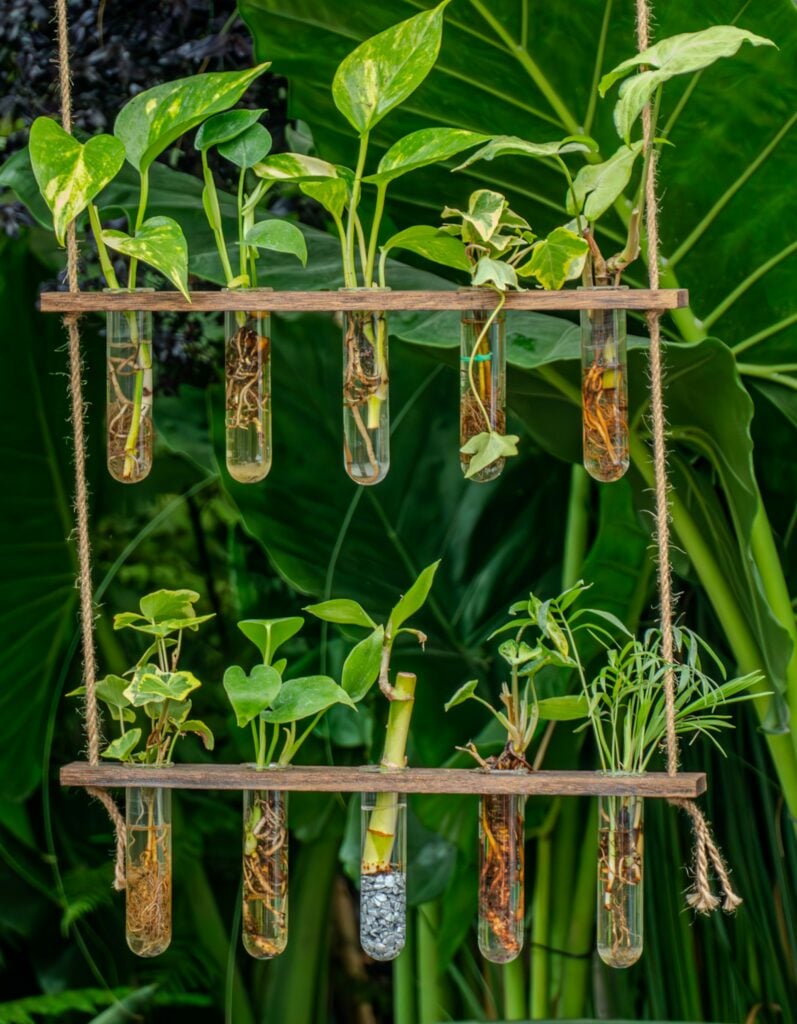
Plants need water, nutrients, oxygen, and light to grow, but they don’t necessarily need soil. In a traditional garden, soil holds water and nutrients and gives plant roots something to grow into. With soil-free gardening, you provide those things in other ways.
One of the most common methods is hydroponics, where plants receive nutrients through water rather than pulling them from the ground.
Depending on the setup, roots may sit directly in nutrient-rich water or grow in materials like clay pebbles, perlite, or coconut coir. These materials support plants without acting like regular garden soil.
As long as plants get the nutrients, oxygen, water, and light they need, they can grow just as well without dirt.
Why Would You Want to Grow Plants Without Soil?
People choose to grow plants this way for a few reasons, especially when space is limited. For starters, you don’t have to worry about weeds taking over your garden beds. You can also avoid many soil-borne pests and diseases, although hydroponic plants can still have pest problems.
Another benefit is water usage. Many hydroponic systems reuse the same water, which can significantly reduce waste compared to traditional gardening. Some well-managed systems use up to 90% less water, depending on the setup and what they’re being compared with.
You also have more control over what your plants receive. Instead of guessing whether your garden soil has enough nutrients, you can monitor and adjust the nutrient solution as needed.
And if you’ve ever struggled with poor soil, heavy clay, or a backyard that doesn’t get enough sunlight, growing indoors with the right equipment gives you another option.
Of course, soil-free gardening isn’t completely hands-off. You’ll still need to monitor water levels, nutrients, and lighting. But once you get the hang of it, it can be a convenient way to grow food at home.
Different Ways to Grow Plants Without Soil
There isn’t just one way to grow plants without dirt. Some methods are simple enough for beginners, while others require pumps, special equipment, and a little more attention.
Hydroponics
Hydroponics is probably the most familiar soil-free gardening method. Instead of growing in garden soil, plants get their nutrients from water. Their roots may be suspended directly in the solution or supported by materials such as clay pebbles or coconut coir.
Several types of hydroponic systems work particularly well for home gardeners.
Deep Water Culture
With Deep Water Culture, or DWC, plants sit above a container filled with nutrient-rich water, with their roots extending into the solution.
An air pump and air stone add oxygen to the water to help keep the roots healthy. This system is relatively straightforward to set up and is commonly used for growing lettuce, herbs, and other leafy greens.
The Kratky Method
If you’d rather start with something that doesn’t require a pump or electricity, consider the Kratky method. Plants are suspended above a container of nutrient solution. As they absorb water, the level gradually drops, leaving an air space that lets part of the root system get oxygen.
You don’t need to keep water circulating, which makes it one of the simpler ways to try hydroponics.
A small container of lettuce or basil can be a good first project. Remember, you’ll still need to provide enough light and nutrients, and larger plants may need more attention.
Nutrient Film Technique
Nutrient Film Technique, often called NFT, uses a thin stream of nutrient-rich water that flows past the plant roots. The system continuously circulates water, giving the roots access to nutrients and oxygen.
You’ve probably seen this setup used to grow rows of lettuce. It can also work at home, although it requires a pump and a little more equipment than the Kratky method.
Aeroponics
Aeroponics takes soil-free gardening a step further by suspending plant roots in the air. Instead of sitting in water, the roots are regularly sprayed with a fine mist containing the nutrients they need.
This gives the roots access to both oxygen and moisture, supporting healthy growth when the system is properly maintained.
Aeroponic systems can be very efficient, but they generally require specialized equipment. If the misting system stops working, the roots can dry out quickly, so it’s not always the easiest choice for someone just getting started.
Aquaponics
Aquaponics combines growing plants with raising fish. The fish produce waste, beneficial bacteria convert that waste into nutrients plants can use, and the plants help remove nutrients from the water.
It’s an interesting way to grow food because the plants and fish work together in the same system. However, aquaponics takes more planning than a basic hydroponic setup. You have to maintain healthy conditions for both the fish and plants, including water quality and nutrient balance.
For someone who enjoys experimenting with different gardening methods, it can be a rewarding project.
Vertical Garden Towers
If you don’t have much room to grow, a vertical garden tower can help you use your space more efficiently. Instead of spreading plants across several garden beds, these systems arrange them vertically, often using hydroponic or aeroponic growing methods.
Many towers can accommodate multiple plants in a relatively small footprint.
They’re especially useful for lettuce, herbs, leafy greens, and strawberries. Depending on the system, you may be able to keep one indoors with grow lights or use it outside during the growing season.
Related: I Stopped Buying Fertilizers After Years of Gardening and Started Using This Instead
What Vegetables and Herbs Grow Best Without Soil?
While you can grow a wide variety of plants hydroponically, some are much easier than others. If you’re new to soil-free gardening, I’d start with something that grows quickly and doesn’t need a lot of space.
- Lettuce: One of the easiest vegetables to grow hydroponically. Leaf lettuce grows relatively quickly, and you can harvest the outer leaves as needed.
- Spinach: Another good choice for hydroponics, especially when temperatures are kept on the cooler side.
- Kale: This leafy green can do well in hydroponic systems and provides multiple harvests when properly maintained.
- Basil: A great herb to start with, particularly if you use fresh basil regularly for cooking. You can trim it often to encourage new growth.
- Mint: Mint grows vigorously and can do very well without soil. Growing it in its own system also keeps it from spreading through your outdoor garden.
- Cilantro: This herb can be grown hydroponically, although it prefers cooler conditions and may bolt when temperatures get too warm.
- Strawberries: Strawberries are popular in vertical growing systems because the fruit can hang away from the growing medium. They do require more attention to lighting, nutrients, and pollination.
Is Growing Without Soil Worth Trying?
If you’ve always gardened in traditional beds or containers, growing plants in water might seem a little unusual at first.
But it’s a useful option if you don’t have a backyard, struggle with poor soil, or simply want to try growing food indoors.