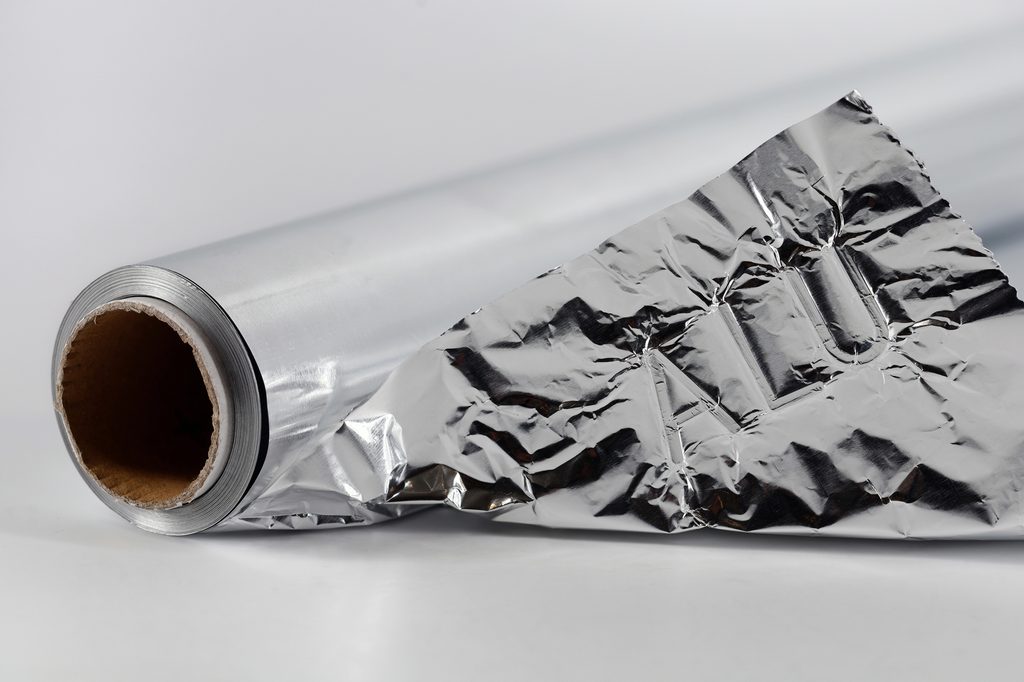
Aluminum foil is a kitchen staple that comes in handy for everything from grilling vegetables to wrapping leftovers. But certain foods don’t react well to aluminum, especially when exposed to heat or stored in foil for extended periods.
Acidic and heavily salted foods can cause aluminum to break down, transfer small amounts of metal into your food, and leave behind an unpleasant metallic taste. Here are nine things you’re better off keeping out of direct contact with aluminum foil.
Tomatoes
The natural acidity in tomatoes can react with aluminum foil, particularly during cooking or prolonged storage. Use a glass or ceramic container for leftover tomato sauce, sliced tomatoes, and tomato-based dishes instead.
Citrus Fruits
Lemons, limes, oranges, and other citrus fruits contain acids that can react with aluminum. If you’re preparing lemon-marinated chicken or fish, use a suitable baking dish or place parchment paper between the food and foil when cooking at an appropriate temperature.
Pickled Foods
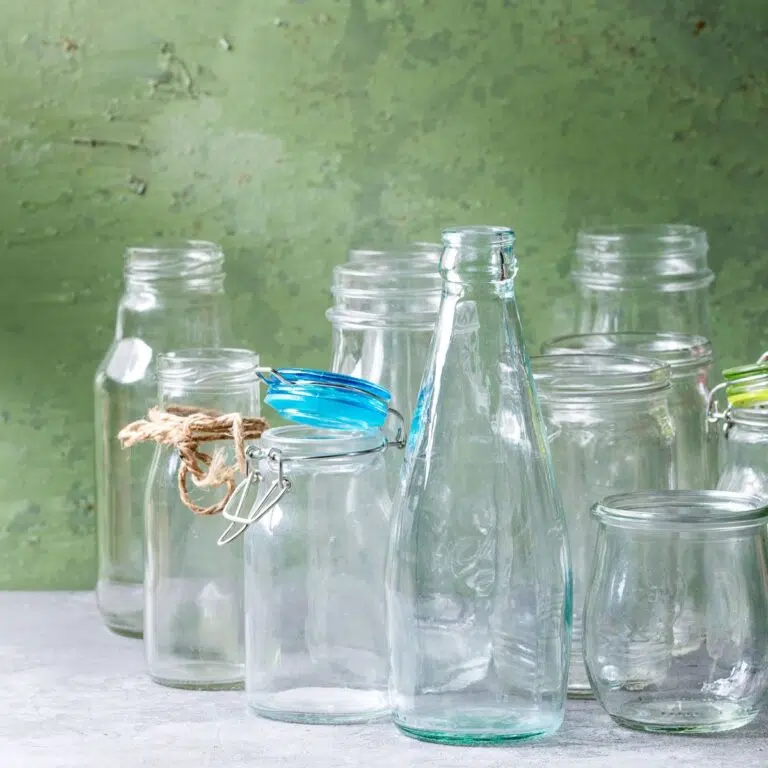
Pickles, pickled onions, and other vinegar-based foods can corrode aluminum foil over time. Store them in airtight glass containers to preserve their flavor and freshness.
Heavily Salted Foods
Foods with a high salt content, such as cured meats and heavily seasoned dishes, can react with aluminum, especially when moisture and heat are involved. Parchment paper or a suitable food storage container is a better alternative.
Berries
Strawberries, raspberries, and blackberries contain natural acids that can interact with aluminum foil. Store leftover berries in a suitable container and use glass or ceramic bakeware when preparing berry-based desserts.
Rhubarb
Rhubarb is particularly acidic, making direct contact with aluminum foil less than ideal. Whether you’re baking a rhubarb pie or storing leftover rhubarb crumble, opt for a nonreactive container.
Foods Marinated in Vinegar
Meats and vegetables coated in vinegar-based marinades shouldn’t sit directly against aluminum foil for extended periods. The acidic marinade can react with the metal and alter the flavor of your food.
Related: Common Things People Accidentally Damage With Vinegar
Leftovers You’re Storing for Several Days
Aluminum foil doesn’t provide the same airtight seal as a food storage container. Refrigerate leftovers within two hours of cooking and store them in sealed containers, using most cooked leftovers within three to four days.
Related: 10 Household Problems a Roll of Aluminum Foil Can Help Solve (Besides Wrapping Leftovers)
Foods You’re Planning to Microwave
Never place fully foil-wrapped food in the microwave, as the metal can cause sparks, damage the appliance, or start a fire. Remove the foil and transfer your food to a microwave-safe plate or container before reheating.