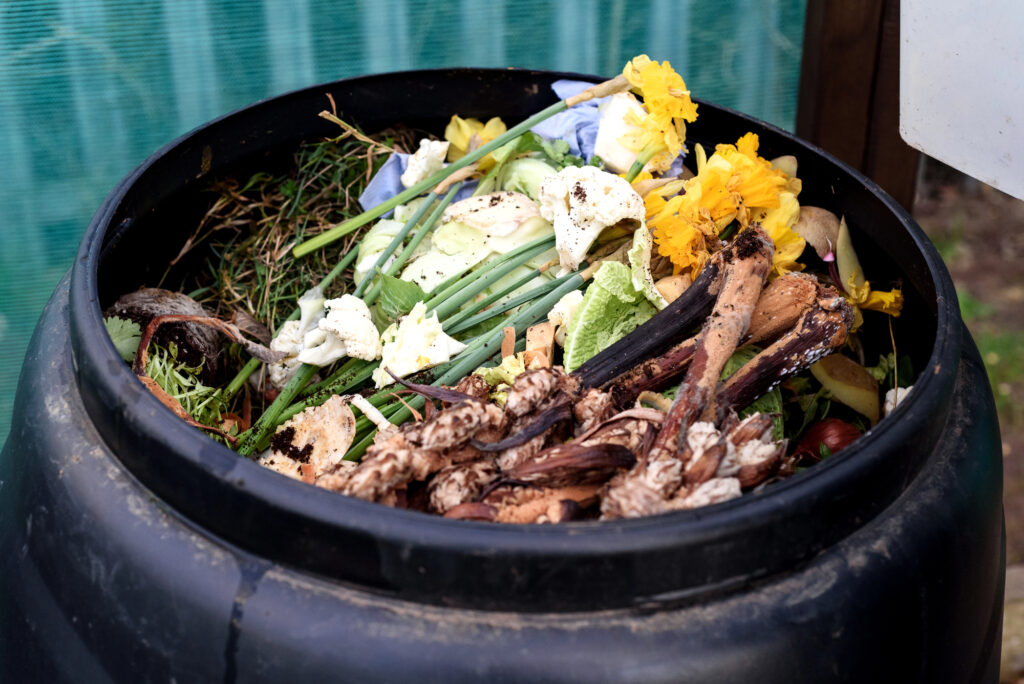
Composting sounds straightforward at first. Save your kitchen scraps, add them to the bin, let nature do its work, and eventually you get rich, dark soil. But anyone who has actually maintained a compost pile knows it doesn’t always go that smoothly.
Bad smells, slow breakdown, or unwanted animals digging through the pile are usually signs that something is off. In most cases, it comes down to what went into the bin in the first place.
A compost system relies on the right mix of materials to break down properly. When the balance is off, decomposition slows, odors build up, pests show up, and the result can be less useful than expected for your garden.
The surprising part is that some of the biggest issues come from common foods people assume are safe to compost. If your bin isn’t working the way it should, a few of these items might be the reason.
Meat Scraps
Meat might seem organic, but it doesn’t belong in a typical backyard compost bin. It breaks down slowly, smells terrible as it decomposes, and attracts raccoons, rodents, and flies. The fats also coat other materials in your pile, limiting airflow and slowing decomposition.
Unless you’re running a high-heat composting system, keep meat out.
Dairy Products
Milk, cheese, yogurt, and sour cream fall into the same category as meat. They rot quickly, create strong odors, and attract unwanted pests. They also introduce excess moisture and fats that can throw off your compost’s balance.
Dairy is best kept out of home compost bins.
Oily and Greasy Foods
Cooking oils, fried foods, buttery leftovers, and salad dressings don’t break down easily. Instead, they form a sticky coating on organic matter in your pile.
That coating restricts oxygen flow, which is essential for proper decomposition. Without airflow, your compost can turn anaerobic, meaning smelly and slow.
Cooked Food
It might be vegetables, but once it’s been cooked, it changes. Cooked foods often contain oils, salt, and seasonings that interfere with compost microbes. They also decompose differently from raw plant scraps and can quickly become pest magnets.
Stick to raw fruit and vegetable scraps whenever possible.
Bread and Pasta
These starchy foods break down quickly, sometimes too quickly. They create excess moisture in the pile, which encourages mold growth. They also attract rodents and insects, especially if your bin isn’t tightly sealed.
In small amounts, they may not destroy your pile, but regularly adding them can cause problems.
Bones
Bones decompose extremely slowly in backyard compost systems. They can remain intact for years, attract scavengers, and create unpleasant odors as they begin breaking down. Unless you’re grinding them into bone meal or using an industrial compost system, they’re better kept out.
Pet Waste
Dog and cat waste may seem compostable, but it can introduce dangerous pathogens and parasites into your pile.
If you use compost in a vegetable garden, this becomes especially risky. Pet waste requires specialized composting methods to be handled safely. For standard garden composting, skip it entirely.
Walnuts
Walnut shells and scraps contain a compound called juglone, which is toxic to many plants.
Juglone can persist in compost and harm sensitive crops later. While some commercial compost systems can neutralize it over time, small backyard piles may not reach the temperatures needed to fully break it down.
Peanut Butter and Nut Butters
Like other oily foods, nut butters create sticky clumps that don’t break down easily. They attract pests and can coat compost materials, slowing microbial activity.
Processed Foods
Packaged foods often contain preservatives, artificial additives, and high levels of sugar or oil. These ingredients disrupt the natural decomposition process and can create an imbalance in your compost pile.
The simpler and more natural the scrap, the better.
The Absolute Best Canned Foods to Stockpile in Your Emergency Pantry
Citrus Peels (In Large Quantities)
A small amount of citrus is usually fine, but large amounts can overwhelm your pile.
Citrus is highly acidic and can temporarily disrupt microbial balance. The strong scent may also discourage worms from staying active in the compost.
Onions and Garlic
Like citrus, small amounts are generally safe. But large amounts can create strong odors and may temporarily inhibit beneficial microbes in lower-temperature compost piles.