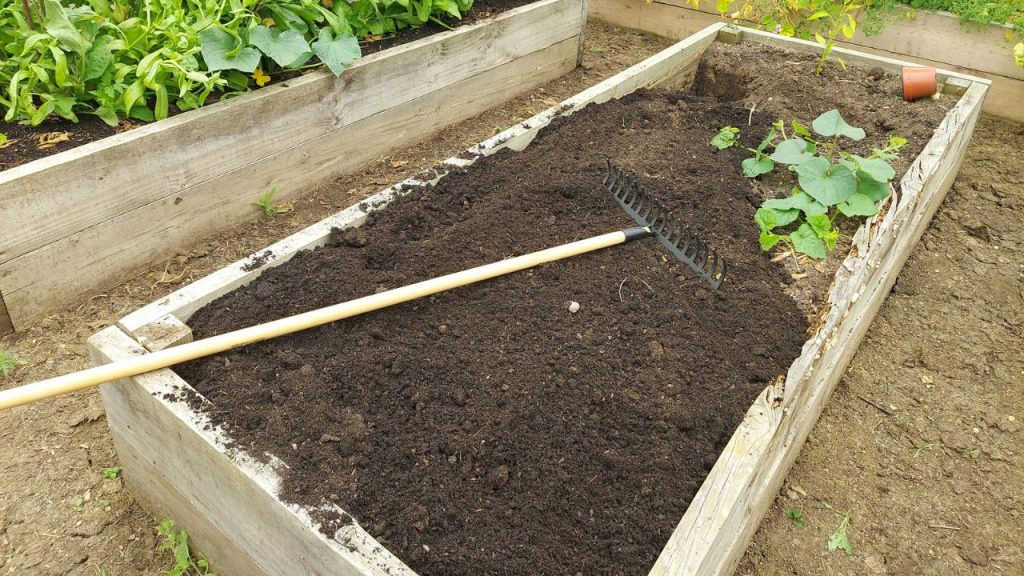
If you’re filling a raised bed (or a few), you quickly realize how much soil it takes. And depending on where you live, your yard might not have the best native soil to “borrow” from; maybe it’s rocky, heavy clay, or the topsoil layer is thin from years of erosion. The good news is you don’t always have to pay retail bag prices to get your beds filled.
A lot of “extra dirt” is something people and companies are actively trying to get rid of. If you know where to look and you’re willing to ask, you can often find free or very cheap dirt locally, then build it into healthy garden soil with compost and other amendments.
Below are 12 practical ways to get dirt for free (or close to it), plus tips for making sure what you bring home is safe for a vegetable garden.
1. Ask local excavation and grading companies
These businesses move dirt for a living, and disposal costs them time and money. If you can accept a load and have a place for a dump truck to drop it, you might get dirt for free just by calling around.
2. Check nearby construction sites
New home builds, additions, and commercial projects often produce piles of excavated dirt. If you can speak to the site supervisor and ask if it’s clean fill, they may be happy to let you haul it away (or occasionally deliver it).
Tip: dirt from brand-new builds on previously undeveloped land is usually a safer bet than dirt from areas with older buildings.
3. Contact swimming pool installers
Pool projects generate a lot of excavated material. Pool companies often need an easy place for that soil to go, especially during busy seasons.
4. Look for local roadwork or utility projects
Sidewalk repairs, sewer work, and water line projects often involve digging. Sometimes the dirt is hauled off, but occasionally crews know where it can go. Call your city/county public works office and ask if there’s a program or if they can point you to contractors.
5. Ask a farmer (especially small local farms)
Farmers may have clean dirt from land leveling, irrigation trenches, or building projects. They may also have aged manure or composted manure, which is even better for building garden soil; just make sure it’s fully composted before using it in beds.

6. Watch for “free fill dirt” listings online
People regrading their yard, installing patios, digging fence lines, or removing garden beds often want the dirt gone. Places to check include Craigslist (Free section + search “fill dirt”), Facebook Marketplace, Nextdoor, and Local buy/sell/trade groups
7. Post in local community groups
Instead of waiting for a listing, make your own post. Keep it short and specific. You’ll often get responses from homeowners who didn’t want to bother listing it.
8. Ask neighbors who are landscaping or redoing their yard
If someone is ripping out a patio, leveling a slope, or building a retaining wall, they may have extra dirt sitting in a pile. A quick, friendly ask can save them a trip to the disposal.
9. Check with local garden centers and landscape suppliers for leftover piles
Even if you’re aiming for free, it’s worth asking if they have “reject” piles, partial loads, or leftover soil/dirt they need moved. Sometimes the dirt isn’t free, but it can be dramatically cheaper than bagged soil.
10. Call your local cooperative extension
Extensions can’t usually “hand you dirt,” but they can help you,
- Identify local sources
- learn what’s common in your area (clay, sand, contamination risks)
- understand what to amend your dirt with
- Get soil testing guidance
11. Look for free municipal compost or soil programs
Some cities offer free compost, mulch, or occasional soil giveaways. Even if it isn’t dirt, compost is what you need to turn cheap fill into garden-ready soil, thereby reducing the amount of dirt you need overall.
12. Make your own “bulk” by building layers in the bed
If your goal is to fill raised beds cheaply, “free dirt” is only one piece of the puzzle. You can reduce the amount of soil you need by filling the bottom with materials that break down over time (then top with your best soil/compost mix).
Examples for the bottom layer: sticks and small branches, chopped leaves, untreated cardboard, old straw (not hay), and compost-in-progress. This is especially helpful for tall beds.
Other Topics You Might Like
- If a neighbor’s tree falls on your home in California, who is responsible?
- Need to Block a Neighbor’s View of Your Yard? Here’s How to Do It Without Starting a War
- If a fence falls between neighbors in California, who is responsible for repairs?
- If You Spot These Vintage Garden Peices at a Garage Sale, Grab Them Fast