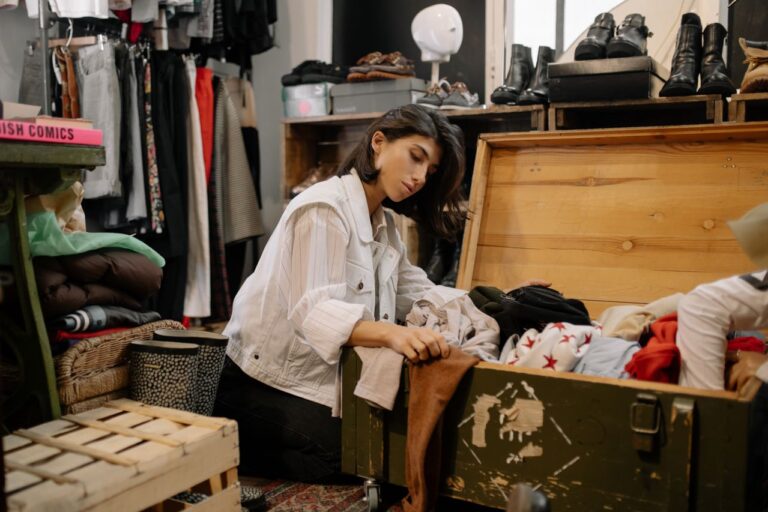
Before you fill the donation boxes or start hauling old furniture out of the house, take a little time to look through everything. Cleaning out a grandparent’s home can make it tempting to get rid of anything that looks old, outdated, or unused. But mixed in with everyday household stuff, there may be pieces that have family history, quality workmanship, or real collector interest.
The tricky part is that valuable or meaningful heirlooms don’t always look special. Something could be sitting in the back of a kitchen cabinet, tucked inside an old drawer, or packed away in a box that hasn’t been opened for years. What looks like clutter at first could be something a family member would regret giving away.
If you’re sorting through your grandmother’s belongings, resist the urge to put everything straight into the donation pile. Take a closer look at these items before deciding what stays and what goes.
Kitchenware
Some of the kitchen tools found in an older home may look basic compared with the gadgets sold today. Cast-iron skillets, copper pots, rolling pins, hand mixers, and other older kitchen tools were often made to last for years of regular use.
A good cast iron pan, for example, can still be used decades after it was made. These pieces can also bring back memories of family dinners, holiday baking, and recipes that were made over and over again.
Related: Grandma Never Wasted Bacon Grease and Here’s Why
Clocks and Watches
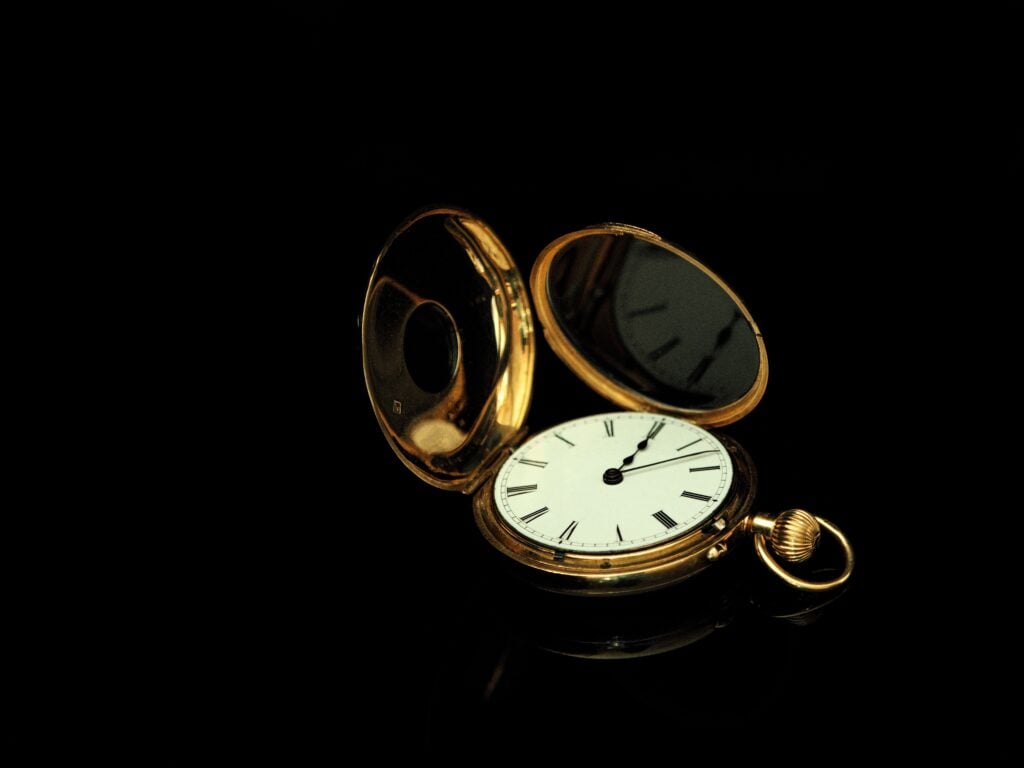
An old clock or pocket watch can be easy to dismiss if it has stopped working. Before getting rid of it, check the maker, age, condition, and type of movement. Some older timepieces are collectible, while others may be worth repairing simply because they have been in the family for so long.
Look inside drawers and jewelry boxes, too. Smaller watches and pocket watches can easily get tucked away and forgotten, especially if they belonged to an older relative who wore them years ago.
Vintage Clothing and Accessories
An old coat or handbag hanging in the back of a closet may be worth a closer look. Vintage clothing can appeal for its age, label, fabric, condition, and style, particularly if it comes from a sought-after designer or a recognizable period.
Check handbags, hats, gloves, scarves, coats, and other accessories before donating them. A garment that looks old-fashioned may be exactly what a vintage clothing collector is looking for, while a well-made piece may still be perfectly wearable today.
Related: Classic Kitchen Advice From Grandma That Still Applies Today
Vintage Jewelry
Never assume an old jewelry box is filled with inexpensive costume jewelry. Brooches, lockets, rings, earrings, and bracelets can sometimes contain gold, silver, or genuine stones, and the markings can give you clues about what you have.
Look for stamps inside rings, on clasps, or on the back of jewelry. A worn piece can still have value, but its personal history may matter even more. Maybe your grandmother wore a particular brooch every Sunday or received a necklace as a wedding gift. Those stories can make a small piece of jewelry much more meaningful to the family.
Handwritten Letters and Diaries
Old letters, journals, recipe notebooks, and diaries can be some of the most personal things found during a house cleanout. They can tell you what relatives were doing, where they lived, who they knew, and what daily life was like during a particular period.
These papers can also help fill in gaps in a family history. Before throwing away a box of handwritten material, look through it for names, dates, places, photographs, and family stories. Even if the papers have little monetary value, they may be irreplaceable to future family members.
Related: Old-Fashioned Cleaning Tricks Grandma Swore By—and They Still Work
Old Tools
An old toolbox covered in dust may not seem worth keeping, but don’t dismiss it too quickly. Older hand tools, such as planes, hammers, wrenches, saws, and other woodworking tools, can be useful, collectible, or simply better-made than they may appear at first.
Check for maker’s names and markings before donating them. Some tools were made for years and are still used by woodworkers, mechanics, and other hobbyists. Even an ordinary tool can have a family connection if it belonged to someone who used it to build, repair, or maintain the family home.
Fine China and Dishware
Those plates and teacups packed away in a cabinet may have spent most of their lives coming out only for holidays or special dinners. Formal china isn’t as common in many homes now, but certain manufacturers, patterns, and older pieces can still attract collectors.
Look for names such as Wedgwood, Spode, and Limoges, then check the markings on the bottom of each piece. A complete set can be appealing, but individual serving pieces, unusual patterns, and hard-to-find replacements can also be worth researching.
Related: 10 Household Chores Grandma Did Regularly That Young People Rarely Do Today
Quilts and Handmade Textiles
Handmade quilts deserve special care before they end up in a donation box. A quilt may have taken countless hours to piece and stitch, and the fabrics may even provide clues about when and where it was made.
The same goes for embroidered linens, crocheted blankets, table runners, and other handmade textiles. They may have some wear from years of use, but that doesn’t mean they should be discarded. A family member may recognize the stitching, fabric, or pattern and know exactly who made it.
Old Photographs
A box of old photographs can be easy to ignore when you’re dealing with an entire house. Some pictures may have faded, curled edges or people nobody recognizes right away, but they can still tell you a lot about your family.
Before sorting them into the trash or donation pile, check the backs for names, dates, locations, and notes. Ask older relatives if they recognize anyone pictured. Photos from the late 1800s and early 1900s can also have historical or collector interest, depending on what they show and how they were made.
Furniture
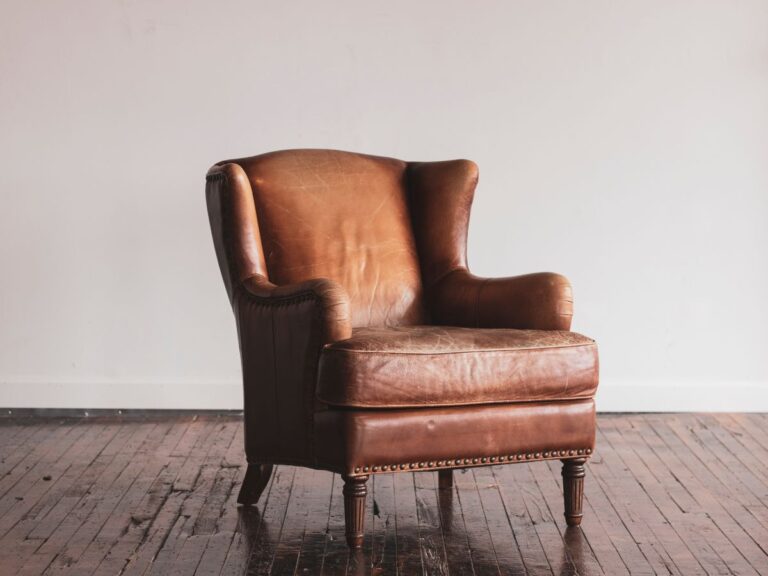
Furniture is often removed early during a house cleanout because it takes up so much space. That can be a mistake if the piece is old, well made, or connected to the family.
Look closely at dressers, dining tables, rocking chairs, cabinets, desks, and other wooden furniture. Solid wood construction, older joinery, original hardware, and a recognizable maker can all make a piece worth keeping or researching before it gets donated.
A scratched or worn finish doesn’t automatically mean the furniture is worthless. Sometimes a piece needs a good cleaning, a small repair, or a fresh finish before it looks good again.
Books and Family Bibles
Old books can hide their value behind ordinary-looking covers. Check for first editions, signed copies, unusual bindings, older printings, and books by notable authors before sending them away.
Family Bibles deserve special attention for another reason. Many contain handwritten records of births, marriages, deaths, and other family events. Those notes can provide information that isn’t found anywhere else, making the Bible an important family record even if the book itself isn’t worth much money.
Vinyl Records and Cassette Tapes
Music collections can be easy to overlook during a move or estate cleanout. Before donating a box of records or tapes, check the artists, album titles, release dates, and condition.
Some vinyl records can be collectible, especially rare pressings, early releases, or records from well-known artists. Cassette tapes may have less monetary value in many cases, but recordings made by family members, local musicians, or at special events can be worth keeping for personal reasons.
Other Posts You Might Like
- 20 Collectibles in Your Parents’ House That Could Be Worth a Fortune
- 13 Random Items in Your Home That Could Be Worth Thousands
- From Oil Lamps to Porcelain Pigs, These Are the Strangest Things People Collect
- 13 Garage Sale Items That Collectors Actively Look For (and Pay Well For)
- 17 Everyday Items in Your Kitchen That Are Secretly Valuable