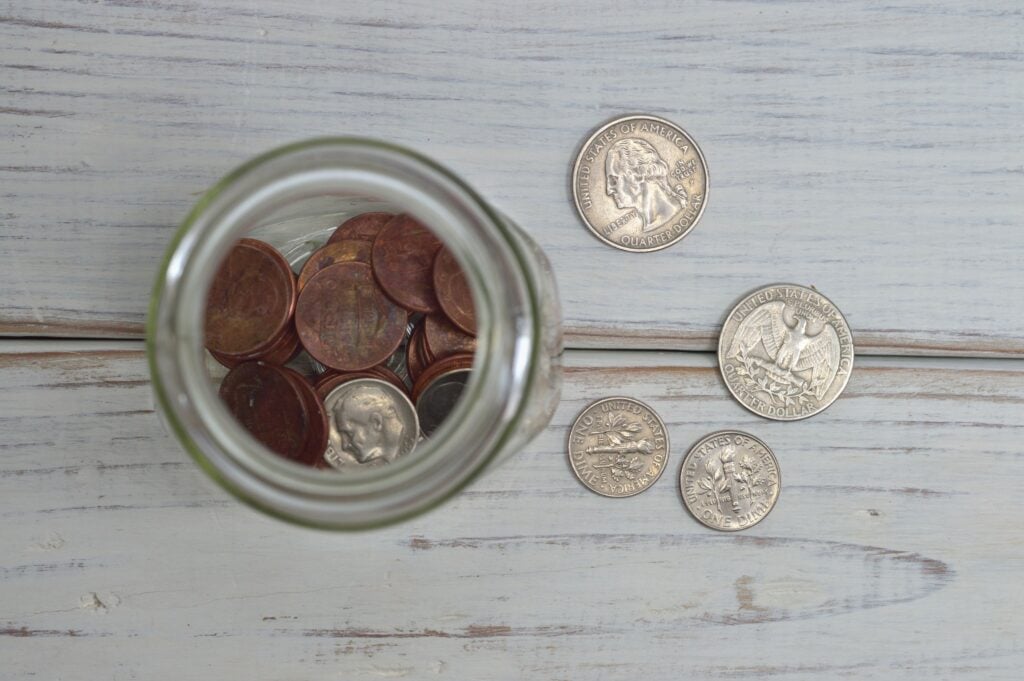
For generations, pennies have passed through cash registers, piggy banks, and the pockets of just about everyone who has used American money. That familiar little coin entered a new chapter on November 12, 2025, when the U.S. Mint ended production of pennies for general circulation because it cost more to make each coin than its one-cent value. Existing pennies remain legal tender and can still be used for purchases.
With no new circulating pennies being made, people may be taking a closer look at the coins they’ve saved over the years. Some are worth only face value, but certain dates, mint marks, and minting errors can make a penny more interesting to collectors.
The Penny Remains a Favorite Among Collectors
You might expect coin collectors to focus mainly on rare coins with unusual markings or high prices, but everyday pennies continue to draw interest. According to 2025 purchase data from the CoinIn app, several groups of Lincoln cents ranked among the most purchased, including pennies dated 2010–2022, 1959–1982, and 1983–2008.
Three of the five most-purchased coins in the app’s data were pennies, many of them common rather than rare. These figures reflect app user activity, but they also hint at why familiar coins keep attracting new and longtime collectors.
Related: 14 Publix Finds That Frequent Shoppers Say Are Worth Every Penny
Why People Still Care About the Penny
The penny’s appeal goes beyond its monetary value, since most ordinary examples aren’t worth much more than one cent. For many people, these coins bring back memories of childhood piggy banks, spare-change jars, and pennies that seemed to show up everywhere.
That familiarity gives the penny a place in American life that many other coins don’t share. Some people collect pennies for fun, while others save coins from special years or keep them as small reminders of the past.
Related: 16 Things Grandma Left Behind That Could Be Worth a Pretty Penny
A Coin With a Long History
The Lincoln cent was first introduced in 1909 and has remained in use through more than a century of changes to American money. Its materials and reverse designs have changed over time, giving collectors plenty of dates and varieties to learn about.
Older wheat pennies, unusual minting errors, and scarce varieties can be worth more than face value, depending on their condition and rarity. An old date alone doesn’t make a penny valuable, so check a coin against a reliable reference before assuming it’s worth a lot.
Related: The Old Penny Is Now the Coin Collectors Are Looking for the Most
What to Do With Your Old Pennies
If you have pennies tucked away in a jar or drawer, sort through them and check the dates, mint marks, and any unusual details. Set aside coins that seem interesting, and avoid cleaning or polishing them, as it can damage the surface and reduce their appeal to collectors.
Your collection may be ordinary pocket change, but it can still offer a glimpse into American history. With regular circulation, those forgotten coins may be worth a closer look before you spend them or send them off for exchange.
Related: America Is Saying Goodbye to the Penny: What It Means for Your Spare Change