Most nickels you come across are only worth five cents, but a surprising number of them are far more valuable to collectors. Certain dates, mintmark varieties, and unusual minting errors have pushed some U.S. nickels into the hundreds, thousands, or even tens of thousands of dollars, depending on their condition. What makes these coins stand out is often a combination of low mintages, unusual design varieties, and mistakes made during the minting process.
USA Coin Book maintains a large database of U.S. coin values and has compiled a list of some of the most valuable nickels ever produced. Their list includes Shield nickels, Liberty “V” nickels, Buffalo nickels (also known as Indian Head nickels), and Jefferson nickels struck between 1866 and the present day. Most proof coins are excluded unless they represent a significant error or variety, and the values are updated regularly based on collector demand and auction results.
While some of these coins are extremely rare, others were released into circulation and could still turn up in old coin collections, rolls of nickels, or even the occasional piece of pocket change. Here are some of the most valuable U.S. nickels collectors watch for.
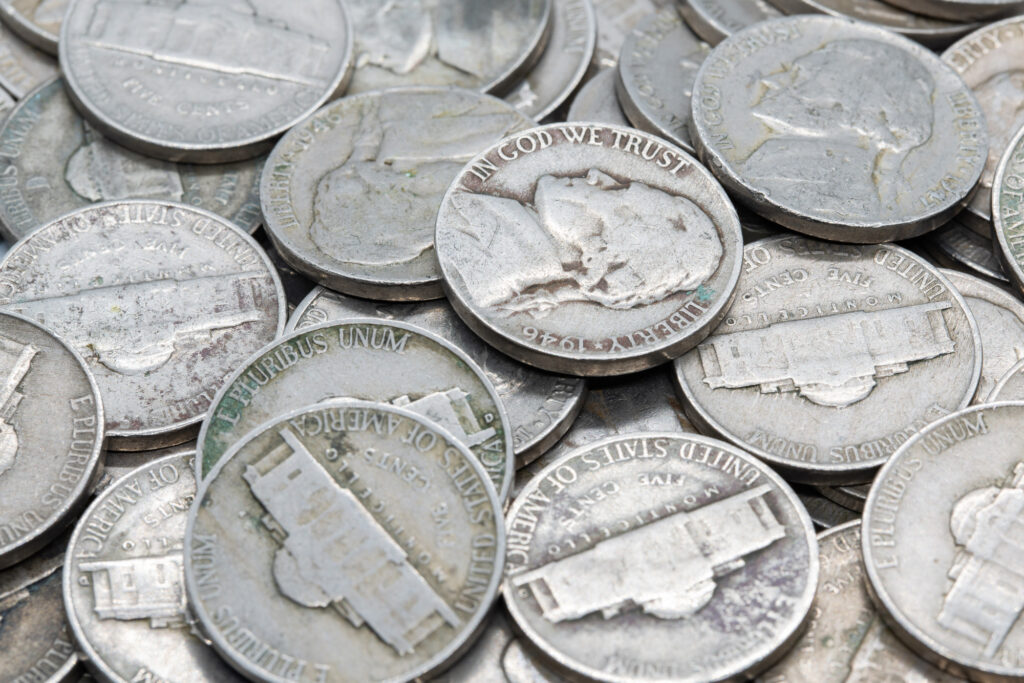
1916 Buffalo Nickel Doubled Die Obverse
Estimated value: up to about $154,000 in top condition.
The 1916 Buffalo nickel doubled die obverse is one of the most famous varieties in the entire Buffalo nickel series. The doubling appears most clearly on the date and parts of the lettering on the front of the coin. Because the doubling is fairly noticeable, it has become one of the most recognized and sought-after Buffalo nickel varieties among collectors.
1918-D Buffalo Nickel 8 Over 7
Estimated value: up to about $62,000, depending on condition.
This coin features a dramatic overdate error where an 8 was stamped over a 7 in the year. Overdates occur when a die is reused and the new year is punched over the previous one. The 1918-D overdate is one of the most famous and valuable mint errors in U.S. nickel collecting.
1880 Shield Nickel
Estimated value: up to about $30,000 in higher grades.
Shield nickels were the first five-cent coins made from a copper-nickel alloy. The 1880 issue had a relatively small mintage, which makes surviving examples highly desirable. Coins in strong condition can bring impressive prices at auction.
1936-D Buffalo Nickel Three and a Half Legs
Estimated value: up to about $22,000.
This unusual variety was created when the mint excessively polished the die used to strike the coins. As a result, part of the buffalo’s front leg was removed from the design, leaving what collectors often call the “three-and-a-half-leg” variety.
1926-S Buffalo Nickel
Estimated value: around $10,000 or more in high grade.
Buffalo nickels struck in San Francisco often had lower mintages than coins produced at other mints. The 1926-S is one of the toughest Buffalo nickels to find in good condition, making it a key date in the series.
1935 Buffalo Nickel Doubled Die Reverse
Estimated value: up to about $7,300.
This variety shows doubling on parts of the reverse design, including the lettering and details around the buffalo. Collectors carefully inspect Buffalo nickels for varieties like this because they can significantly increase the coin’s value.
Related: 15 Valuable U.S. Dimes That Could Be Hiding in Your Change Jar Right Now
1942-D Jefferson Nickel D Over Horizontal D
Estimated value: around $7,300 in top condition.
This Jefferson nickel features a mintmark variety where the Denver “D” mintmark was struck over a horizontal version of the same letter. These types of mintmark errors are popular with collectors because they clearly show the minting process at work.
1914 Buffalo Nickel 4 Over 3
Estimated value: around $6,200.
Another well-known overdate variety, the 1914 Buffalo nickel shows the number 4 punched over a 3 in the date. These kinds of mistakes often occurred when mint workers reused coin dies rather than creating new ones.
1924-S Buffalo Nickel
Estimated value: about $5,600 in higher grades.
The 1924-S Buffalo nickel is another low-mintage San Francisco issue that collectors actively search for. Coins with clear dates and strong detail can command substantial premiums.
1937-D Buffalo Nickel Three Legs
Estimated value: about $5,200 or more.
This is one of the most famous error coins in U.S. numismatics. A die polishing mistake removed one of the buffalo’s legs entirely, leaving the animal appearing to stand on only three legs. The unusual appearance makes it easy to identify and highly collectible.
1885 Liberty Head “V” Nickel
Estimated value: around $4,200.
Liberty Head nickels, often called “V nickels” because of the Roman numeral on the reverse, include several key dates. The 1885 issue is among the most valuable coins in this series and remains popular with collectors.
1866 Shield Nickel Repunched Date
Estimated value: around $4,000.
The 1866 Shield nickel was part of the first year the U.S. Mint produced this new five-cent coin design. Some examples feature a repunched date, where the numbers were struck more than once during die preparation.
1877 Shield Nickel
Estimated value: about $3,400 or more.
The 1877 Shield nickel was produced only in proof form, meaning it was not released into circulation like most coins. Because of its limited production, it remains one of the more desirable coins in the Shield nickel series.
1918-S Buffalo Nickel
Estimated value: around $3,000 in high grade.
Although not an error coin, the 1918-S Buffalo nickel remains highly collectible due to its relative scarcity and the popularity of the Buffalo nickel design.
1921-S Buffalo Nickel
Estimated value: around $3,000, depending on condition.
Another San Francisco issue, the 1921-S Buffalo nickel, is considered a key date within the Buffalo nickel series. Coins that retain strong details are especially sought after by collectors.
Related: 17 Rare Quarters Worth Some Serious Money
Before you pour your nickels into a coin machine, it may be worth checking them carefully. Look closely at Buffalo nickels from 1913 through 1938, especially coins with unusual dates or design details. Pay attention to overdates, doubled lettering, and unusual mintmarks. Older Shield nickels from the late 1800s are also worth setting aside.
If you think you may have found a rare coin, avoid cleaning it. Cleaning can significantly reduce a coin’s collector value. Instead, consider having the coin examined by a reputable coin dealer or professional grading service. Taking a few minutes to check your spare change could reveal a nickel worth far more than five cents.
Other Posts You Might Like
- The Most Valuable Pennies Still Hiding in Circulation Today
- America Is Phasing Out the Penny—What You Should Do With the Coins You Still Have
- 20 Collectibles in Your Parents’ House That Could Be Worth a Fortune
- 13 Random Items in Your Home That Could Be Worth Thousands
- 13 Garage Sale Items That Collectors Actively Look For (and Pay Well For)