For generations, pennies have ended up in change jars, piggy banks, cup holders, and kitchen drawers across America. Most people barely gave them a second thought. They were just part of everyday life.
Now that penny production is coming to an end, many people are taking a fresh look at the coins they’ve been collecting for years.
If you have a stash of pennies tucked away somewhere, there’s no rush to get rid of them. They still spend the same way they always have, and they’re still accepted as legal tender. That said, this is a good time to sort through what you have. Some pennies may be worth more than a cent, while others can be rolled, deposited, spent, or saved for the future.
Before you dump that jar of pennies into a coin machine, here are a few things worth checking first.
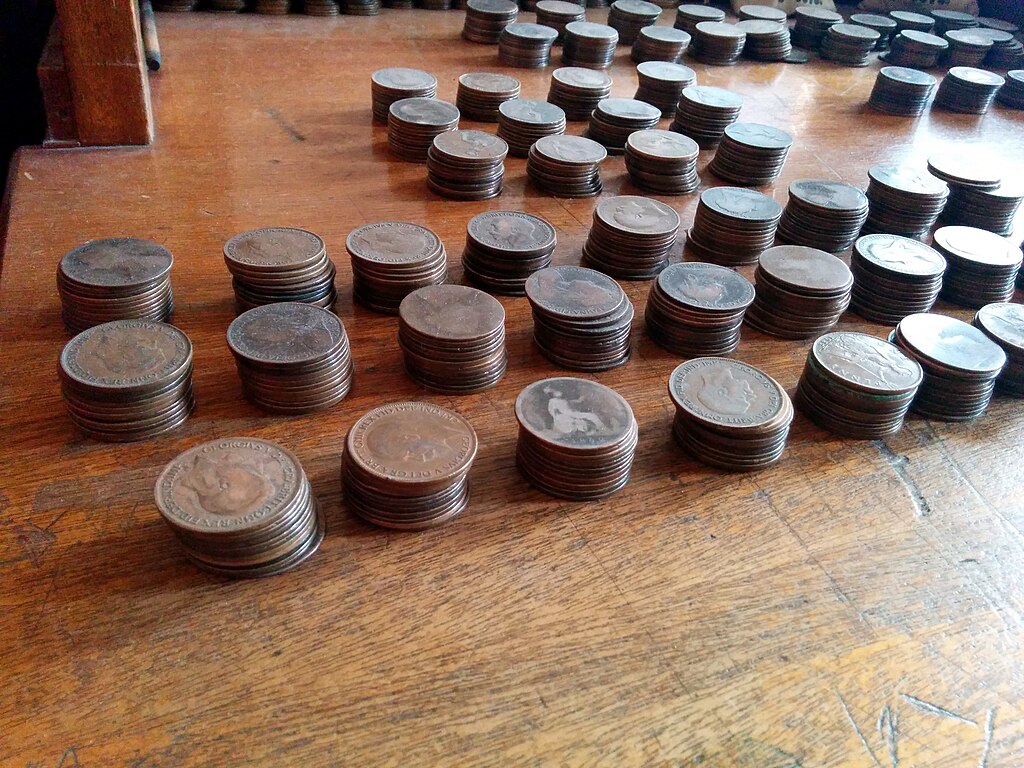
First, Know That Pennies Are Still Spendable
Even though new pennies are no longer being minted for circulation, the billions already in existence are still valid currency. Retailers will continue accepting them, especially those that still take cash. Over time, pennies will gradually become less common as they’re lost, damaged, or deposited, but they won’t vanish overnight.
If you pay with cash, some retailers may begin rounding transactions to the nearest nickel. If you use credit or debit cards, nothing changes; digital transactions will still calculate to the exact cent.
Related: Important Money Lessons to Start Teaching Your Kids
Option 1: Simply Spend Them
The easiest solution is to use your pennies like you always have. If you’ve been holding on to jars of change for years, this is actually a good time to put them back into circulation. Businesses facing coin shortages may appreciate it, and it helps keep the remaining supply moving.
You may even find occasional store promotions encouraging customers to bring in small change.
Option 2: Cash Them In
If you’d rather clear out your stash, cashing them in is straightforward.
- Many grocery stores have coin-counting machines that convert coins into cash or store credit (fees often apply for cash).
- Some banks and credit unions still accept rolled coins, though policies vary.
- Rolling them yourself can help you avoid machine fees; 50 pennies per roll equals 50 cents.
If you’ve accumulated hundreds or thousands of pennies over time, this can add up faster than you expect.
Option 3: Check for Coins Worth More Than One Cent
Before dumping everything into a machine, take a little time to sort through your pennies. While most are only worth face value, some are worth more.
Pay attention to:
- Wheat pennies (minted from 1909–1958)
- Pre-1982 pennies were made primarily of copper
- Mint errors such as doubled dies or unusual lettering
- Specific rare dates and varieties
Pre-1982 pennies are 95 percent copper and are often purchased by coin dealers for a few cents each because of their metal content. You cannot legally melt them down, but collectors and dealers may buy them in bulk.
If you’re unsure, local coin dealers can quickly tell you whether you have anything worth setting aside.
Option 4: Hold Onto a Few for Nostalgia
For some people, the penny represents history more than spending power. If you want a small keepsake from the end of an era, set aside a few coins from meaningful years.
They won’t likely become highly valuable overnight, but they can serve as a simple piece of American currency history.
Option 5: Use Them Creatively
If you enjoy DIY projects, pennies can be repurposed in practical or decorative ways.
- Create coasters or trivets by gluing pennies onto a base and sealing them.
- Add special-year pennies to scrapbooks or memory jars.
- Use them for simple crafts or school projects.
Just remember that altering currency for resale may be subject to restrictions, so stick to decorative uses.
Are Pennies About to Become Valuable?
For most common pennies, the answer is no. There are still hundreds of billions in circulation, which means supply remains high. Older copper pennies may retain slightly higher value because of their metal content, and rare error coins will always interest collectors, but typical one-cent coins won’t suddenly turn into retirement funds.
Other Posts You Might Like
- 20 Collectibles in Your Parents’ House That Could Be Worth a Fortune
- 13 Random Items in Your Home That Could Be Worth Thousands
- From Oil Lamps to Porcelain Pigs, These Are the Strangest Things People Collect
- 13 Garage Sale Items That Collectors Actively Look For (and Pay Well For)
- 17 Everyday Items in Your Kitchen That Are Secretly Valuable