Decluttering often begins with a simple plan: get rid of the things taking up space. You start filling bags, sorting donations, and finally opening boxes that haven’t been touched in years. But in the rush to clear everything out, it’s easy to toss something that might have been worth keeping or selling.
That old jewelry tucked away in a drawer, the dishes collecting dust in the attic, or the books you haven’t opened in decades could be worth more than you expect. Sometimes, the items people overlook during a cleanout turn out to be the ones collectors are interested in buying.
Before your next donation run or trip to the trash, take some time to check these spots around your home. A little research could save you from giving away something valuable.
Start With the Junk Drawers and Jewelry Boxes
Junk drawers tend to collect anything that doesn’t have a proper place, while jewelry boxes often hold pieces that haven’t been worn in years. Old rings, gold chains, diamond brooches, and inherited jewelry can easily get overlooked during a house cleanout.
Don’t dismiss a piece just because it’s tarnished, broken, out of fashion, or not something you’d wear yourself. Set aside anything you can’t identify until you’ve had a chance to look into its age, materials, and possible value.
Related: 12 Places to Donate Your Stuff Besides Goodwill
Take a Second Look at What’s in the Attic and Garage
Items that have been sitting in an attic, garage, basement, or shed for decades can be easy to write off as junk. Yet these storage spots often contain forgotten furniture, artwork, ceramics, glassware, and old clocks that may be worth more than their owners realize.
Antique furniture deserves a closer look, particularly if it came from a relative or has an unfamiliar history. Don’t assume something has little value just because it’s dusty or has been out of sight for years.
Related: 14 Items Food Banks Wish More People Would Donate
Check Inside Old Furniture
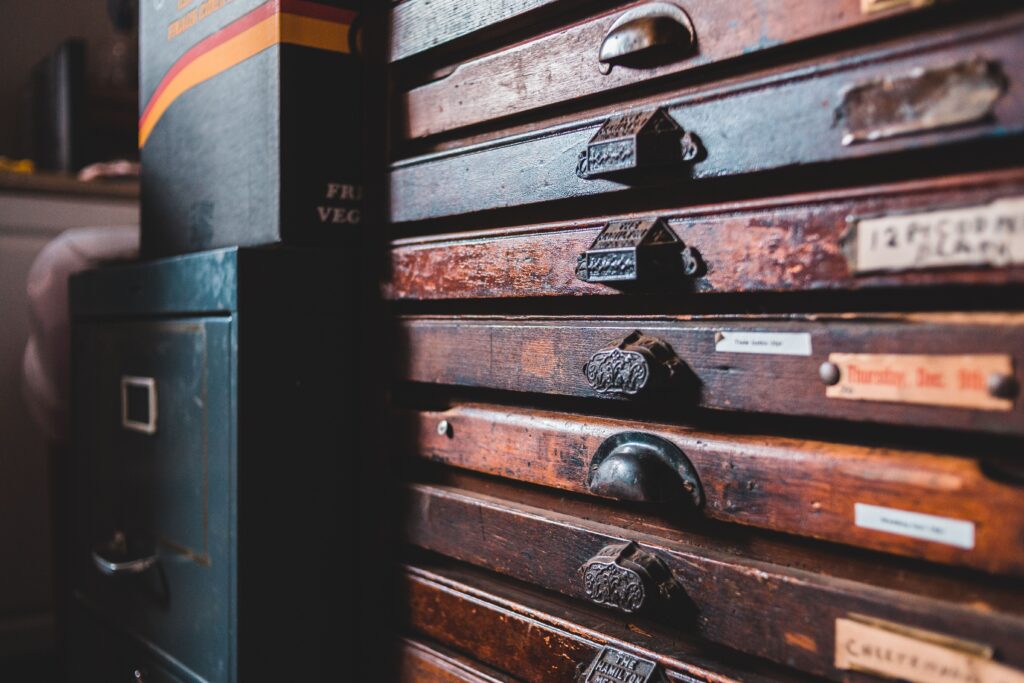
Before putting an old dresser or sideboard out for collection, empty every drawer and give the piece another inspection. Look behind and underneath drawers, beneath drawer liners, inside hidden compartments, and under anything left inside.
Dawsons recommends checking the bottoms of drawers and looking beneath items such as placemats and napkins. A homeowner in Missouri City, Texas, reportedly bought a secondhand dresser at an estate sale and later found a hidden compartment containing gold jewelry, diamonds, coins, and family heirlooms worth thousands of dollars.
You might not find anything close to that in an old family dresser, but checking takes very little time. It’s worth doing before the furniture leaves your home.
Related: 13 Things the Salvation Army May Not Want You to Donate
Flip Through Books Before Donating Them
Clearing out a bookshelf can mean getting rid of more than old reading material. People sometimes use books to store cash, photographs, letters, and other keepsakes, so check between the pages and inside the covers before boxing them up.
The books themselves may also have resale value. First editions, including certain paperbacks, can interest collectors, so take a moment to research older or unusual titles before sending them to a donation center.
Related: 8 Large Items You Might Want to Donate Somewhere Other Than a Thrift Store
Don’t Assume Old Papers Are Trash
Old letters, postcards, photographs, and documents may look like nothing more than piles of paper during a cleanout. But Jonathan Pratt, managing director of Dawsons Auctioneers, recommends looking out for family correspondence, wartime letters, historical documents, medals, and related items.
Be careful about throwing away papers you haven’t read or identified. Once family records and personal letters are gone, they may be impossible to replace.
Keep anything you’re unsure about in a separate box marked “research later.” This lets you continue sorting without making a decision you’ll regret.
Don’t Rush to Sell Something Either
Finding an unusual item doesn’t mean you should list it on Facebook Marketplace for $20 just to get it out of the house. A quick sale may be convenient, but you could end up accepting far less than the item is worth.
Research old jewelry, artwork, antiques, watches, and collectibles before setting a price. If something appears particularly valuable or unusual, consider having it examined by a professional appraiser before selling it.
Be Realistic About What You Actually Need to Keep
Checking for valuables doesn’t mean you have to keep everything you find. Clutter often comes from holding onto belongings you no longer use, need, or have room for.
This includes things you’re saving for someone else. If you’ve been keeping dishes, furniture, collectibles, or other household items with the intention of passing them down, ask the person whether they actually want them before storing everything for another few years.
For clothes, try turning all your hangers backward in the closet. After wearing an item, return its hanger to the normal position, and after several months, you’ll have a clearer idea of which clothes you reach for and which ones stay untouched.
Sell, Donate or Swap Before Throwing Things Away
Once you’ve checked that an item has no particular resale value, the trash still doesn’t have to be its next stop. Usable belongings can be sold, donated, offered through local community groups, or swapped with friends and neighbors who might need them.
If you come across something unfamiliar, tools such as Google Lens can help identify it and find similar items listed online. It won’t replace a professional appraisal, but it can give you a starting point and help you decide whether an item deserves a closer look.