Most people probably don’t think about data centers when choosing a place to live. But as these large facilities spread across the country, some homeowners are discovering that one could soon be built close to their neighborhood.
A new Realtor.com report found that the share of U.S. home sales taking place within five miles of a large data center has more than doubled since 2018. Hundreds of additional facilities are already operating, under construction, or in the planning pipeline, which means more residential communities could soon have one nearby.
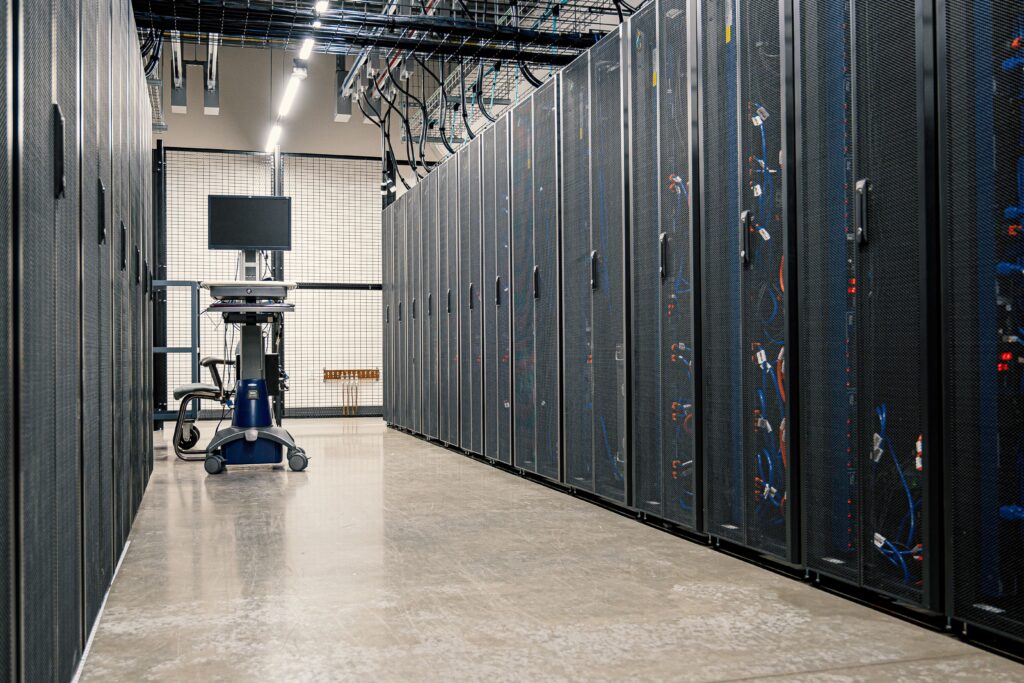
More Americans Are Living Near Data Centers
The change has been fairly quick. In 2018, just 0.67% of U.S. home sales took place within five miles of a large data center, compared with roughly 1.5% in 2026.
The number of large operating data centers also grew during that period, jumping from 49 to 347. Realtor.com estimates that the share of home sales within five miles of one could reach nearly 2.3% by 2027, based on facilities already in the construction pipeline.
This doesn’t mean people are suddenly choosing homes because they want to live near data centers. The increase is largely due to new facilities being built in communities where people already live, rather than homebuyers deliberately moving closer to them.
They’re Showing Up in Places You Might Not Expect
Data centers used to be concentrated in a relatively small number of locations. In 2015, just 12 ZIP codes across the country had a large data center, but by June 2026, that number had climbed to 108 and was expected to reach 125 by the end of the year.
New facilities are also being built farther from major city centers. Between 2019 and 2025, the typical new large data center was about 23 miles from the nearest major city center, compared with roughly 27 miles in 2026 and an estimated 34 miles for facilities expected to open in 2027.
Many are also moving into areas with fewer nearby homes. In 2017, the typical new data center was surrounded by about 116 homes per square mile, but by 2026, that figure had dropped to just 32.
One Data Center Can Lead to More Nearby
A community that gets one data center may eventually see more projects follow. Once developers have access to the zoning approvals, electricity infrastructure, and other requirements they need, the area can become a more appealing location for additional facilities.
Northern Virginia is an example of how this can play out. What started as individual projects grew into one of the country’s largest data center concentrations, leaving some communities with far more facilities nearby than they may have expected at the beginning.
Even More Homeowners Could Soon Live Near One
The construction pipeline suggests that this trend has plenty of room to continue. Realtor.com estimates that nearly 2.3% of U.S. home sales could take place within five miles of a large data center by 2027, based on facilities already under construction.
That may seem like a small share of the overall housing market, but the increase is worth watching. As developers build farther from major cities and move into smaller communities, more homeowners could find themselves living near a facility that wasn’t there when they purchased their property.
The bigger point is that people don’t have to choose a home near a data center to end up living beside one. For some communities, these facilities are arriving after residents have already settled in, turning an unfamiliar type of neighbor into a local concern.