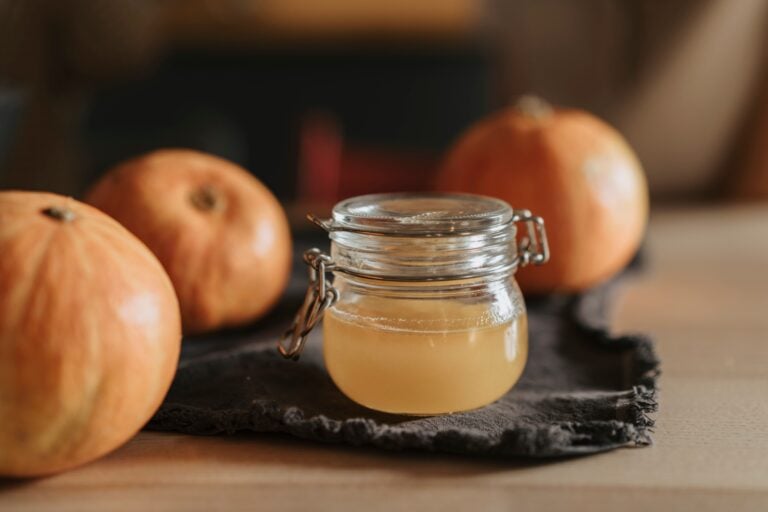
Lemons are a constant staple in the kitchen. We squeeze them into marinades, shake them into drinks, and grate them over pasta. But once you extract that last bit of juice, the leftover rinds almost always end up tossed right into the trash.
Throwing them out is a huge waste of a great ingredient.
Even after you squeeze them dry, those rinds are still packed with fragrant citrus oils and natural acids that can tackle plenty of problems outside of a recipe. Leftover skins can scrub grease off stovetops, freshen up smelly garbage disposals, and impart a crisp flavor to homemade vinegar or simple syrups.
Don’t ever throw away your lemon peels; here’s how to put every last bit to use around your home.

Simmer for a Natural Air Freshener
Add peels to a pot of water and simmer gently on the stove. For a different scent, include cinnamon sticks or rosemary. The steam freshens the air without artificial sprays.
These 11 Ingredients Naturally Deodorize and Freshen Any Room in Your Home
Brighten White Clothing
Squeeze the remaining juice from the peels onto the yellowed fabric, then lay it in direct sunlight for a few hours before washing. The combination of lemon and sunlight can help lighten stains.
Laundry Hacks That Will Make Your Clothes Last Forever
Deodorize Small Spaces
Place dried peels in a small bowl in the refrigerator or inside a breathable bag for closets or shoes. They help absorb mild odors and add a light citrus scent.
Remove Strong Odors from Hands
After handling onions, garlic, or fish, rub your hands with the inside of a lemon peel and rinse to reduce lingering smells.
Add to Compost
Chop the peels into small pieces before adding them to compost to help them break down more quickly.
Steam-Clean the Microwave
Place lemon peels in a bowl with about a cup of water. Microwave for 3 to 5 minutes, then let it sit for a few more minutes. The steam loosens dried-on food, and the citrus helps neutralize lingering odors. Wipe the interior with a cloth dipped in the warm lemon water. Here’s How to Clean a Microwave (4 Easy Methods).
Scrub Wooden Cutting Boards
Sprinkle coarse salt across the board and rub it with a squeezed lemon half. The salt lifts stains while the lemon helps freshen and deodorize the surface. Rinse with hot water and let the board dry upright.
Freshen the Garbage Disposal
Run cold water and add a few small pieces of peel at a time to the garbage disposal. This helps reduce odor and lightly cleans the disposal. Avoid adding too many peels at once to prevent clogs.
Remove Coffee Pot Stains
Add lemon peels, warm water, and a spoonful of salt to a cooled coffee pot. Swirl gently and let it sit for several hours or overnight. Rinse and wash as usual.
How to Clean a Coffee Maker with Vinegar
Shine Stainless Steel
Rub the inside of a lemon peel over faucets or sinks. Buff with a soft cloth to restore a clean, streak-free shine.
Save and Use the Zest
Use a fine grater to remove only the yellow outer layer of the peel, avoiding the bitter white pith. Lemon zest adds depth to baked goods, roasted vegetables, marinades, salad dressings, and even eggs.
Make Lemon Simple Syrup
Simmer equal parts sugar and water with strips of peel. Let it steep, then strain before using. The syrup works well in iced tea, cocktails, or brushed over cakes for moisture and flavor.
Candy the Peels
Simmer peel strips in sugar syrup until soft and translucent. Allow them to dry, then roll in sugar or dip in melted chocolate for a simple homemade treat.
Infuse Vinegar for Cleaning
Fill a jar with lemon peels and cover with white vinegar. Let it sit for one to two weeks, then strain and dilute with water. The result is a natural surface cleaner with a lighter scent than plain vinegar.
Other posts you might like:
- Banana Peels Might Be the Most Underrated Natural Boost for Your Garden
- I Stopped Using Dryer Sheets in the Dryer—Here’s Where I Use Them Instead
- Stop Throwing Away Orange Peels — Some Call Them Trash, Others Call Them Kitchen Gold
- Simple DIY Fixes for the Most Annoying Problems Around the House
- 15 Incredible Ways to Repurpose Used Coffee Grounds