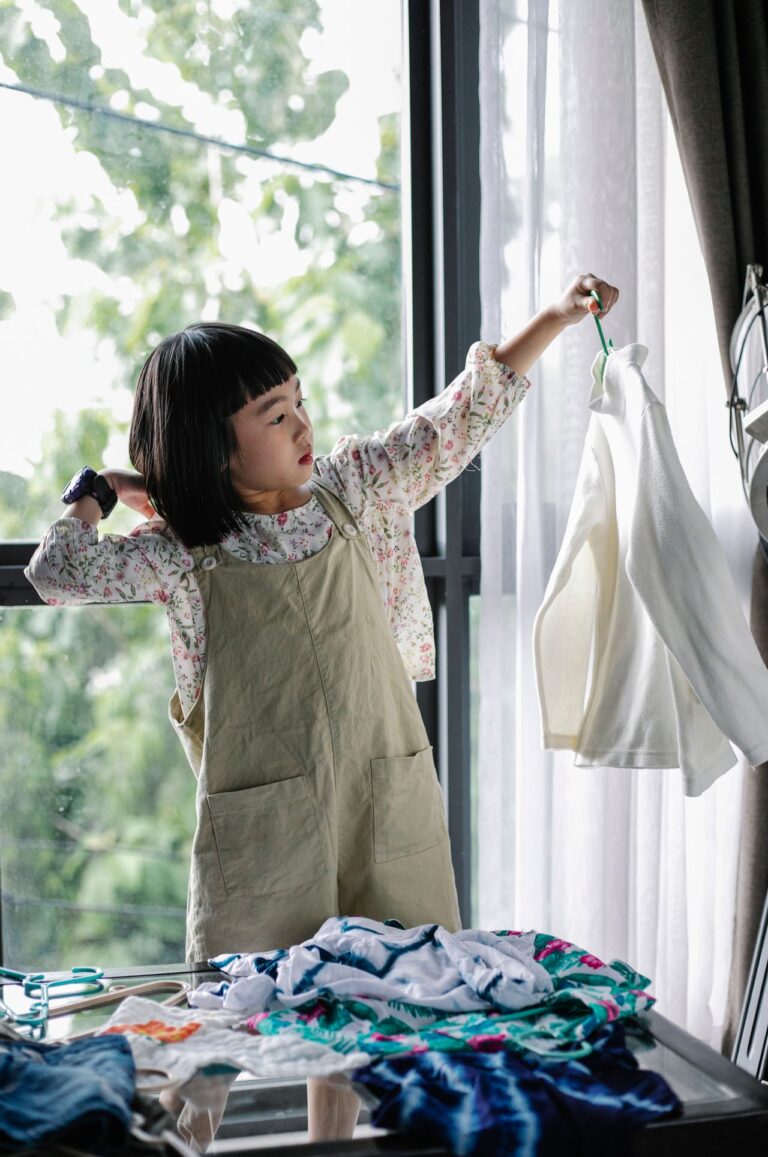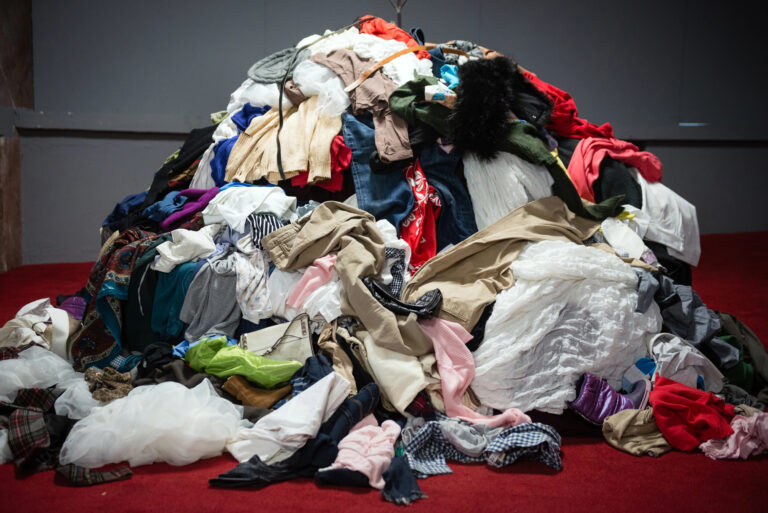
I love thrift stores. Yard sales. Garage sales. The dusty little resale shops where you have to dig a bit. But as exciting as a thrift haul is, there’s one rule I don’t break: nothing goes into regular use or onto a bed, body, or table until it’s been properly cleaned and sanitized.
You simply don’t know where these items have been. They’ve lived in other homes, sat in storage units, collected dust, absorbed odors, and been handled by countless people. Most thrift shops do basic sorting, but that’s not the same as sanitizing.
If you love secondhand shopping as much as I do, here are the items you should never fully bring into your home until they’ve been thoroughly cleaned.
Upholstered Furniture
Some people hesitate to buy secondhand upholstered furniture, and it’s understandable. Sofas, chairs, and ottomans can hold years of accumulated dust, pet hair, and odors. Before fully bringing them into your living space, vacuum thoroughly, including under cushions and along seams.
Spot clean stains with an upholstery-safe cleaner. If you have access to a steam cleaner, use it to help sanitize and eliminate odors. If not, lightly mist with a fabric-safe disinfectant spray and allow it to air dry completely before use.
Thrifting Is Fun—But This Is the One Thing You Should Never Buy
Bedding and Linens
Sheets, blankets, quilts, comforters, and pillowcases must be washed before use. These items sit directly against your skin for hours at a time. Wash bedding on the hottest setting allowed by the care label. Adding white vinegar to the rinse cycle can help freshen and deodorize.
Dry thoroughly on high heat if the fabric allows. Vintage or delicate quilts may require hand washing in cool water with a gentle detergent.
Clothing
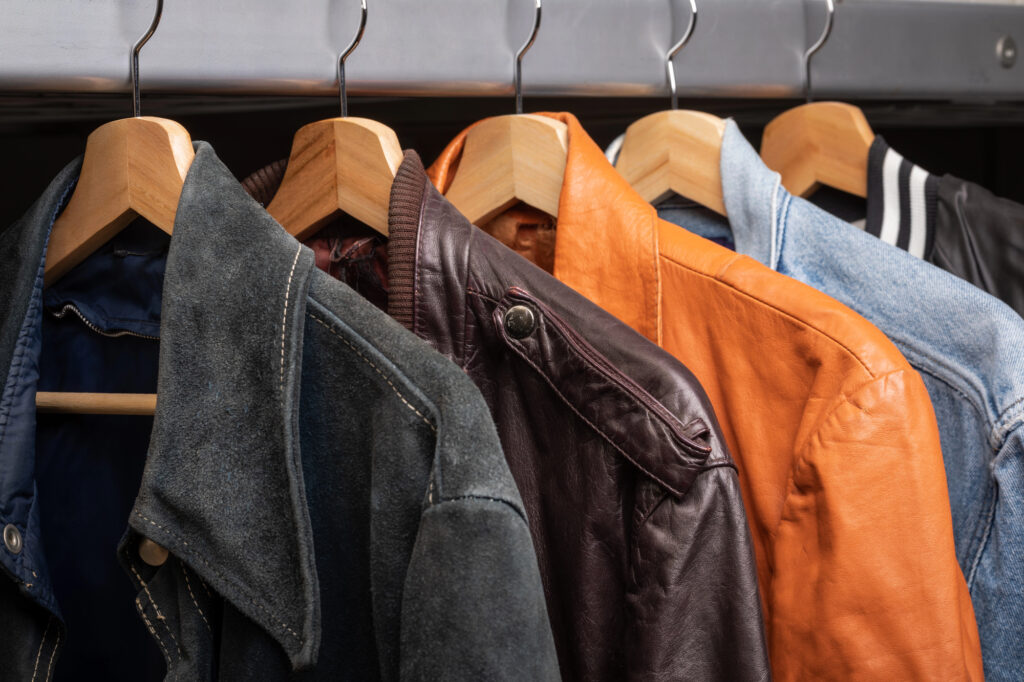
Jackets, denim, vintage dresses, every single item goes straight to the wash before it ever touches the closet. Pre-loved garments can carry odors, pet dander, bacteria, and occasionally more concerning things. Even if it looks clean, it still needs laundering.
Check the care label while you’re shopping so you know what you’re committing to. Once home, wash items separately in cool or warm water, depending on the fabric, using your regular detergent. For extra peace of mind, add a laundry sanitizer or half a cup of white vinegar to the rinse cycle. For delicate pieces, hand-wash or dry-clean as instructed.
Shoes and Accessories
Thrifted shoes can be amazing finds, but they’ve traveled places and need attention before entering your living space. Focus first on the interior. If possible, remove and replace insoles. Wipe the inside with a mixture of rubbing alcohol and water, then allow them to air dry completely.
For the exterior, brush away loose dirt and treat according to material: conditioner for leather, mild detergent for canvas. Jewelry and accessories, especially earrings, should also be wiped down with a disinfectant before wearing.
Stuffed Animals and Plush Items
If you bring home plush toys, especially for children, cleaning is non-negotiable. If the care tag allows, machine wash on the gentle cycle and air-dry or tumble-dry low. If not washable, place the item in a sealed plastic bag and store it in the freezer for several days to help eliminate potential pests. Follow up with surface cleaning and deodorizing.
Kitchenware and Cookware
Anything that will come into contact with food must be sanitized before use. Run sturdy dishes, flatware, and glassware through the dishwasher on a sanitize cycle if possible. For delicate items, wash thoroughly in hot, soapy water. Non-metallic items can be sanitized by briefly soaking in a diluted bleach solution, then rinsing thoroughly.
Cookware, especially cast iron, should be scrubbed thoroughly with hot, soapy water. Oven-safe pieces can be heated at 400°F for about 20 minutes to help eliminate lingering bacteria. Think of it as resetting its cooking history.
Wood and Metal Furniture
Wood dressers, tables, shelving, and decorative pieces need more than a quick dusting. Wipe down all surfaces with warm water and mild dish soap using a microfiber cloth. Rinse with a clean, damp cloth and dry thoroughly.
For metal pieces, use a vinegar-and-water solution if appropriate. Finish wood surfaces with a conditioning oil or polish to restore and protect them.
Decorative Items
Glass vases, ceramics, baskets, rattan pieces, and books collect dust and sometimes odors during storage. Wash submersible items in warm, soapy water.
Wipe down non-submersible pieces carefully. Vacuum the baskets, then wipe with a diluted vinegar solution. If books smell musty, sprinkle baking soda between the pages and store them in a paper bag for a few days to absorb odors.
Electronics
Secondhand electronics such as remotes, keyboards, and cameras should be carefully disinfected. Spray disinfectant onto a microfiber cloth, not directly onto the device, and wipe down all exterior surfaces. Use a soft brush or toothpick to remove debris from crevices without introducing moisture into ports.
Other Posts You Might Like
- 20 Collectibles in Your Parents’ House That Could Be Worth a Fortune
- 13 Random Items in Your Home That Could Be Worth Thousands
- From Oil Lamps to Porcelain Pigs, These Are the Strangest Things People Collect
- 13 Garage Sale Items That Collectors Actively Look For (and Pay Well For)
- 17 Everyday Items in Your Kitchen That Are Secretly Valuable