If you’ve ever picked up a $20 lamp at Goodwill and wondered who decided it was worth that much, you’re not alone. You might find a nearly identical lamp at another location for $5, which can make the pricing feel like a guessing game.
A recent Reddit discussion about who sets Goodwill’s prices shed some light on what happens behind the scenes. The answer isn’t as simple as one manager deciding what everything costs. Pricing guidelines, regional policies, and individual employees can all play a role, which helps explain why prices vary so much from one store to another.
There isn’t one person pricing everything at Goodwill
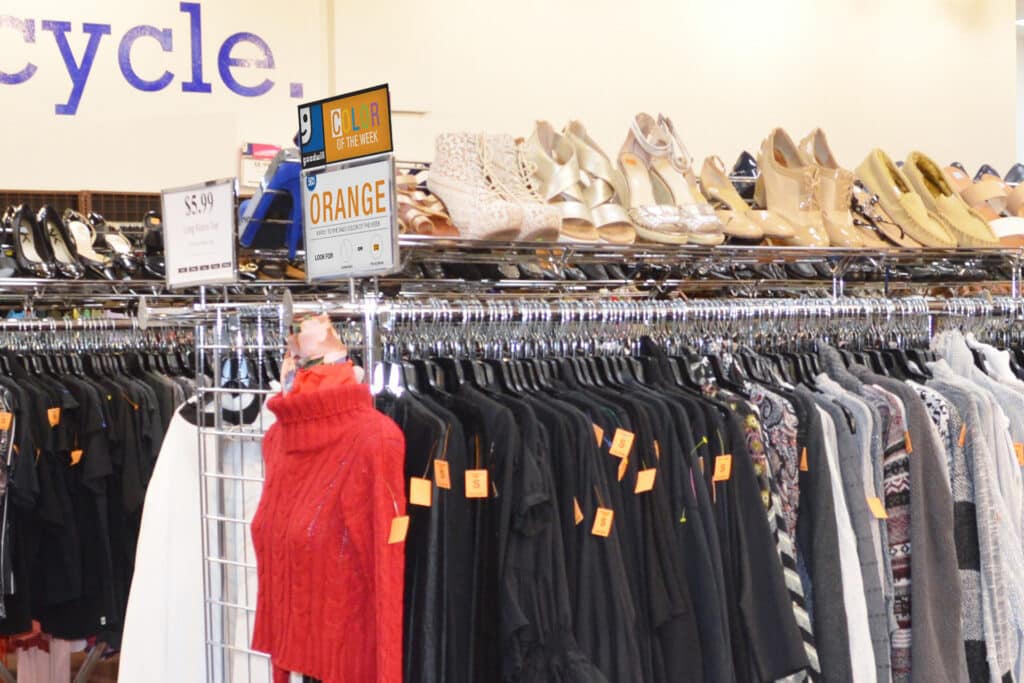
Goodwill pricing often involves several levels of decision-making. Regional leadership may establish baseline prices and guidelines, managers oversee how those rules are applied, and employees processing donations assign prices to individual items.
The amount of flexibility employees have depends on the location. Some stores use established prices for certain merchandise categories, while others allow more judgment when pricing individual donations.
That means the employee attaching a price tag may be following instructions rather than deciding entirely on their own what an item should cost.
Related: Goodwill Used to Be Cheap—Shoppers Say These Prices Tell a Different Story
Pricing rules can vary by location
Not every Goodwill operates under the same pricing system. Clothing prices may be standardized within a region, while furniture, housewares, and other donated goods may have more flexible pricing.
Some locations give managers greater control over prices, while others rely on guidelines established by regional leadership. Even when stores follow similar procedures, how they interpret those guidelines can produce different results.
This helps explain why an item that seems overpriced at one Goodwill might be a bargain at another. The price difference doesn’t necessarily mean one item is more valuable than the other.
Related: Before you dig through the Goodwill Bins, a thrifting expert says to bring this
Two employees can price the same item differently
Individual judgment can also affect what ends up on the price tag.
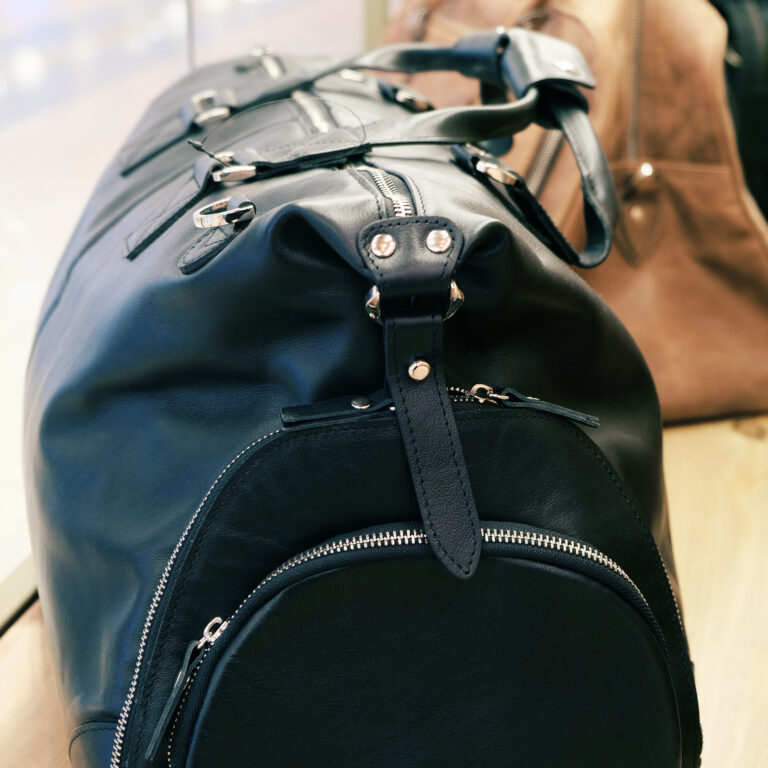
Employees who sort and price donations bring different levels of experience and familiarity with the merchandise they handle. Someone who recognizes a particular handbag brand might price it higher, while another employee may not recognize it.
The same thing can happen with vintage cookware, electronics, furniture, and collectibles. One employee might price an item at $5.99, while another could assign a $7.99 price tag to something nearly identical.
That inconsistency can be frustrating when prices seem too high, but it also creates opportunities for shoppers to find overlooked bargains.
Recognizable brands may cost more
If you’ve noticed that certain clothing brands come with noticeably higher price tags, a specific pricing rule may be behind it.
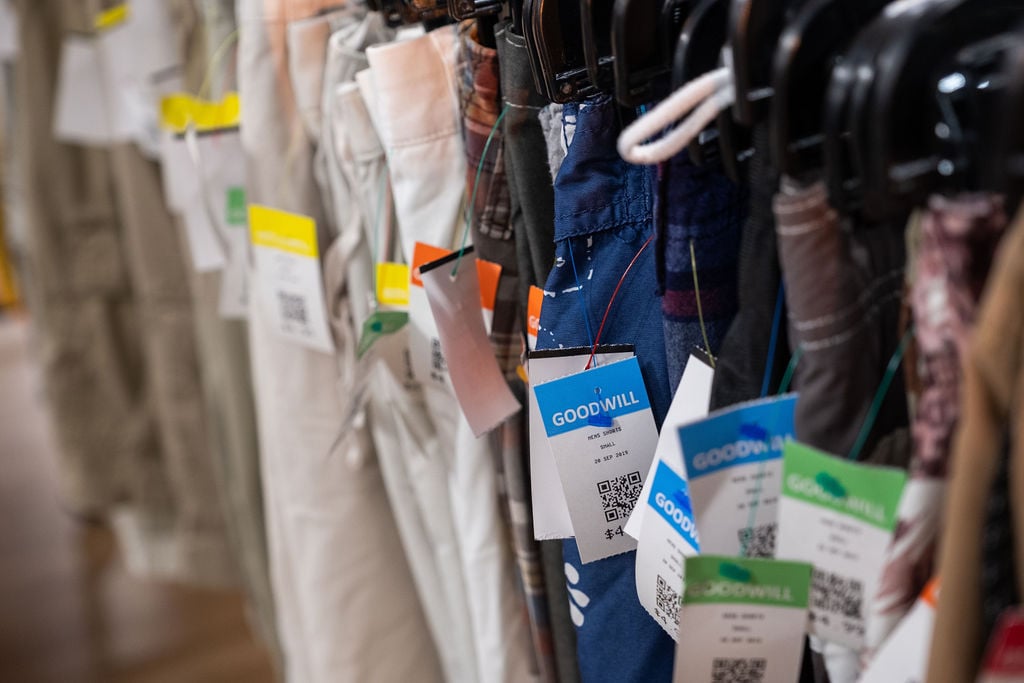
Some Goodwill locations use preset prices for clothing categories and add markups for designated brands. Depending on the store’s guidelines, a recognizable label could result in a price that is two, three, or even four times the standard amount.
This means two pairs of jeans in similar condition could have very different prices simply because of the names on their labels.
However, a higher price doesn’t automatically mean an item is worth buying. Condition, fabric quality, fit, and the cost of comparable items elsewhere are all worth considering before heading to the register.
Housewares can be especially unpredictable
The housewares section is where pricing differences can become particularly noticeable.
Unlike clothing, which falls into relatively straightforward categories, housewares include everything from coffee mugs and decorative vases to kitchen appliances and vintage serving dishes.
Determining what each item is worth requires familiarity with a wide variety of products. An ordinary dish might receive an unexpectedly high price tag, while a valuable vintage piece could be priced like any other item on the shelf.
That’s one reason experienced thrifters often take their time in the housewares aisle. The price tag alone doesn’t always tell the whole story.
Related: Most People Walk Right Past This at Goodwill, but It’s Where I Look First
Employees may have hundreds of items to price each day
Pricing donated merchandise can be a high-volume job. At least one worker in the Reddit discussion described a location where employees were expected to price hundreds of items in a single day.
With that much merchandise moving through the store, employees may have limited time to research every brand, model, or collectible that comes across their workstations.
Pricing guidelines can keep the process moving, but they don’t eliminate mistakes or inconsistent decisions.
For shoppers, this is another reason to inspect an item carefully and do a little research before assuming the price reflects its actual value.
The unpredictable prices
Goodwill pricing isn’t always consistent, and the process can vary by region, store, merchandise category, and the employee handling the donation.
While that can lead to frustratingly high prices, it can also explain why shoppers occasionally stumble across something special for far less than expected.
The key is to know what you’re looking for, recognize a reasonable price, and remember that just because something is secondhand doesn’t automatically make it a bargain.