For more than a century, Goodwill has been built around a straightforward idea: donated items can be used to create opportunities for people who face barriers to employment.
The organization was founded in 1902 by Reverend Edgar J. Helms in Boston. His philosophy was summed up in the phrase “not charity, but a chance.” Helms collected clothing and household goods from wealthier neighborhoods, then gave people who had trouble finding work the opportunity to repair and sell those items. The money helped support jobs and training programs.
That basic mission is still part of Goodwill today. Goodwill Industries International says its network helps people build job skills, find employment, and improve their lives through work. Money generated from donated merchandise helps fund those programs and services.
Still, some longtime thrift shoppers feel the shopping experience has changed. In a recent online discussion, customers debated whether Goodwill stores have become too expensive for the very shoppers who once relied on them for affordable clothing, furniture, and household goods. The discussion on Reddit.
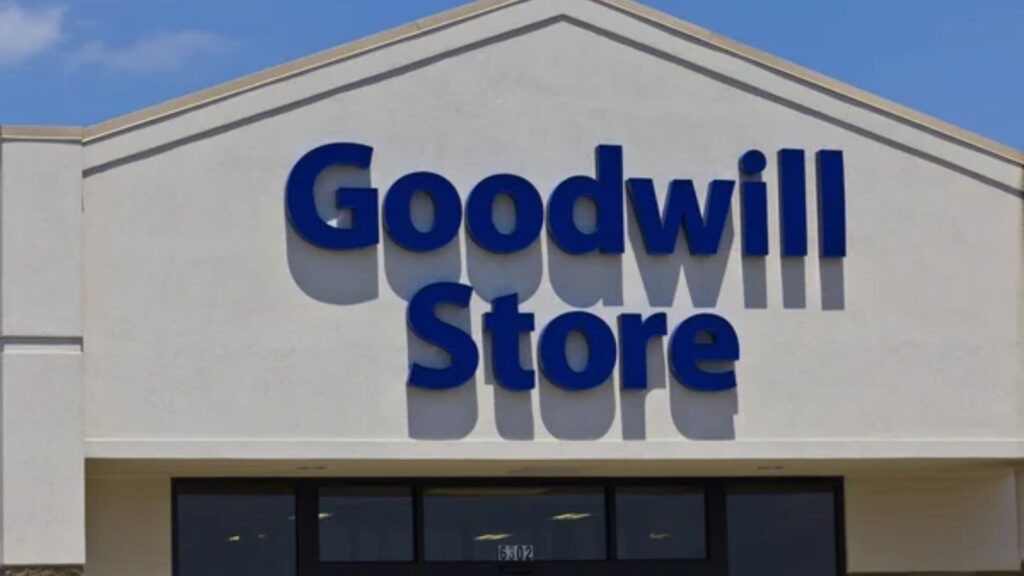
Goodwill Used to Be Known for Affordable Finds
For generations, Goodwill offered something useful to both sides of the donation process. People could clear out things they no longer needed, while other shoppers could find inexpensive clothing, furniture, books, and household goods.
Some longtime customers say that balance feels different now.
A used shirt priced close to what someone might pay for a new one can be hard to justify, especially for shoppers who visit thrift stores because they need to stretch a tight budget. Several people in the discussion pointed to prices as one of their biggest complaints.
Some Donated Items Feel More Like Premium Merchandise
Another complaint centered on the way donated goods are priced.
Shoppers described seeing ordinary household items, clothing, and other secondhand merchandise with price tags they felt were too high for a thrift store. Goodwill needs to generate revenue to fund its programs, but some customers feel that certain stores have become too focused on getting the highest possible price for individual items.
For a shopper, there is a point where a used item simply doesn’t feel like a bargain anymore.
Fast Fashion Is Showing Up on Thrift Store Racks
The type of merchandise shoppers find has also changed.
Some customers say they are seeing more inexpensive fast-fashion clothing from brands such as Shein and Temu. These pieces can be very cheap when purchased new, which makes them less appealing at secondhand prices.
A shopper looking for a durable vintage jacket or a well-made older garment may feel disappointed after sorting through racks filled with newer, lower-cost clothing.
Related: 1970s Trends That Changed Fashion, Music, and Redefined Self-Expression
Valuable Finds May Be Going Online
Goodwill’s online marketplaces have also changed the way some shoppers think about thrift stores.
Collectibles, vintage pieces, jewelry, designer goods, and other desirable donations can be sold online instead of being placed on local store shelves. From Goodwill’s perspective, selling these items online can bring in more money for its programs.
For longtime thrift shoppers, though, something has been lost.
Part of the fun of visiting a thrift store was never knowing what might be sitting on a shelf or buried in a rack. Finding an unusual piece for a few dollars was part of the experience. Some shoppers feel that experience has become less common as more valuable merchandise is identified and sold online.
Related: Valuable Collectibles You May Already Have Sitting Around the House
Prices Don’t Always Feel Like Thrift Store Prices
Pricing is another point that continues to frustrate shoppers.
Some believe certain Goodwill locations rely too heavily on online listings when deciding what an item is worth. The problem is that an online listing isn’t necessarily the same thing as an actual sale price. Someone can list a used item for $50, but that doesn’t mean another person is willing to pay $50 for it.
When prices are set too high, merchandise can sit on the shelves while shoppers walk away.
Related: Shoppers Say Prices Are Rising—and Goodwill Isn’t What It Used to Be
Shoppers Want to See Where Their Money Goes
The complaints aren’t always about paying a little more.
Many thrift shoppers say they’re happy to spend extra if they know their purchases are helping people in their community. Goodwill supports employment services, job training, career programs, and other services for people facing barriers to work.
What some customers want is a clearer connection between the money they spend and those programs.
Goodwill operates through a network of local organizations, so programs and spending can vary from one community to another. That can make it difficult for shoppers to know exactly how their local store’s revenue is being used.
For customers who have supported Goodwill for years, greater transparency could go a long way toward rebuilding trust.
The Mission Is Still There, but the Shopping Experience Has Changed
Goodwill was never meant to be just another secondhand retailer. Its stores were created to generate money for employment opportunities and training programs.
That mission remains a major part of the organization’s work.
The frustration from some shoppers is more about the gap between that mission and what they experience inside certain stores. Higher prices, more fast-fashion merchandise, fewer unusual finds, and valuable donations being sold online can make a longtime customer wonder whether the thrift store experience they remember is disappearing.
Goodwill’s original philosophy was “not charity, but a chance.” For many longtime shoppers, keeping that idea alive may mean finding a better balance between generating revenue and keeping donated goods affordable for the people who depend on thrift stores.
For them, the question isn’t whether Goodwill should raise money for its programs. It’s whether it can continue raising that money while still feeling like the affordable community thrift store that people have known for generations.