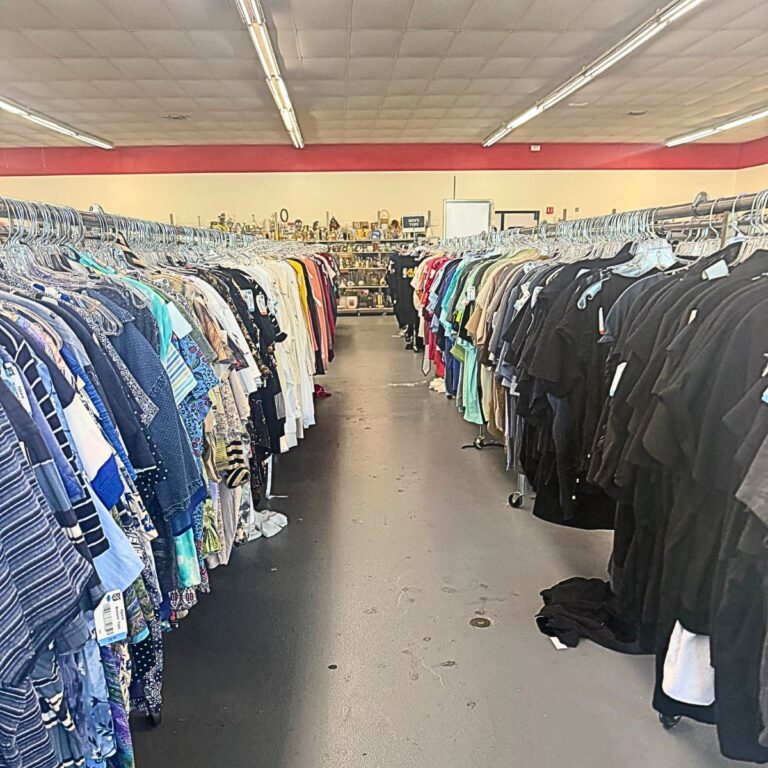
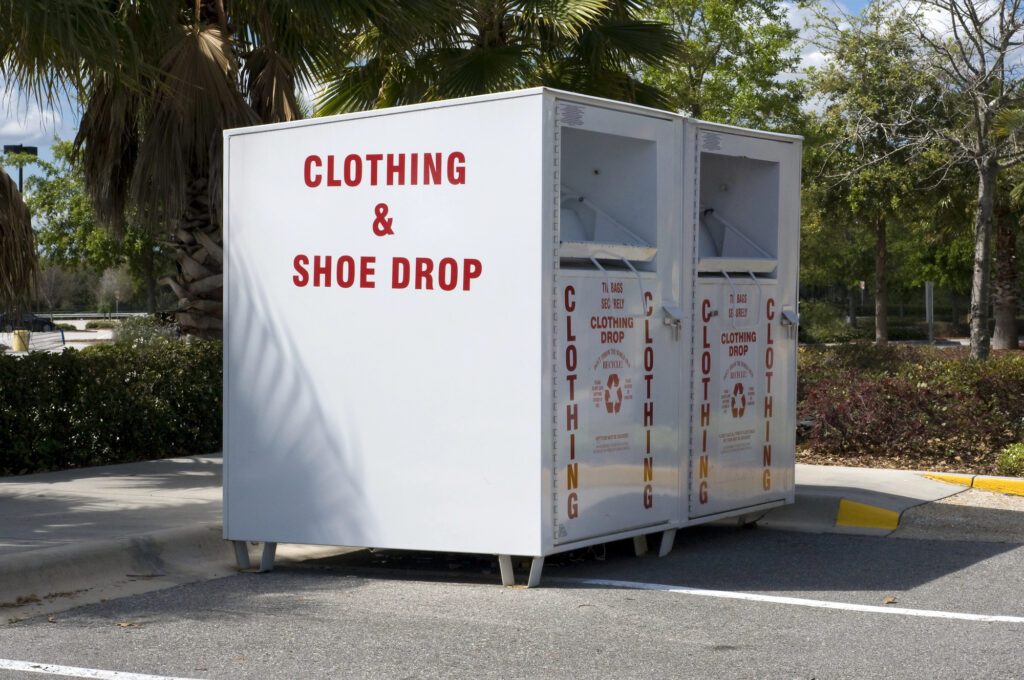
Most people assume donation centers will happily accept almost anything they no longer want. You clean out the garage, load up the car, and feel good knowing your unwanted items might help someone else. But according to Salvation Army workers, many donations actually create major problems behind the scenes.
Many locations are dealing with overflowing donation centers, rising disposal costs, safety regulations, and items that simply can’t legally or practically be resold anymore. In some cases, workers say certain donations end up costing the organization money instead of helping it.
Before your next donation run, here are some of the items Salvation Army workers are practically begging people to stop dropping off.
Broken or Filthy Appliances
Grease-caked coffee makers, rusty toaster ovens, and blenders missing parts are among the most common problems with donations. If an appliance doesn’t work properly or looks unsafe to use, employees usually have no choice but to throw it away.
Many locations simply don’t have repair staff or testing facilities available. What feels “fixable” to donors often becomes expensive junk removal for the store.
Huge Old TVs and Outdated Electronics
Those giant tube televisions sitting in basements for the last 15 years? Most donation centers don’t want them anymore. Older electronics are difficult to recycle, expensive to dispose of, and often impossible to resell because demand has disappeared.
The same goes for outdated DVD players, stereo systems, printers, and obsolete computer equipment. In many cases, the disposal fees alone cost more than the item is worth.
Mattresses and Box Springs
Mattresses are one of the most frequently rejected donations today. Concerns about bed bugs, stains, odors, and sanitation laws make it extremely difficult for thrift stores to handle safely.
Even mattresses that appear clean are often declined automatically. Many locations simply don’t have the ability to sanitize or store them properly.
Wet, Moldy, or Mildewed Donations
Workers say damp donation bags are one of the fastest ways to ruin an entire batch of donations. Mold spreads quickly through clothing, books, and fabric items, especially in crowded sorting centers.
Once mold or mildew is present, most items become unsellable and unsafe to handle. Donation employees often have to discard entire bags immediately.
Car Seats and Baby Gear
Many people assume gently used baby items would be helpful donations, but safety regulations make things complicated. Car seats, cribs, swings, and strollers may be recalled, expired, or missing important safety components that workers can’t verify.
Because of liability concerns, many Salvation Army locations refuse these items entirely. Even perfectly good-looking baby gear often gets turned away.
Leftover Paint and Household Chemicals
Partially used paint cans, pesticides, cleaning chemicals, propane tanks, and automotive fluids create major safety issues for donation centers. Most thrift stores are legally prohibited from storing or reselling hazardous materials.
Employees say these donations are surprisingly common, especially during garage cleanouts. Unfortunately, they usually require special disposal procedures instead of helping the store.
Opened Makeup and Used Personal Care Products
Used cosmetics, opened lotions, half-empty shampoos, and old skincare products are usually an automatic no. Once personal care products have been opened, stores can’t safely verify whether they’ve been contaminated or expired.
Even expensive beauty products often go straight into the trash if they’ve already been used. Sealed, unopened items are usually the only exception.