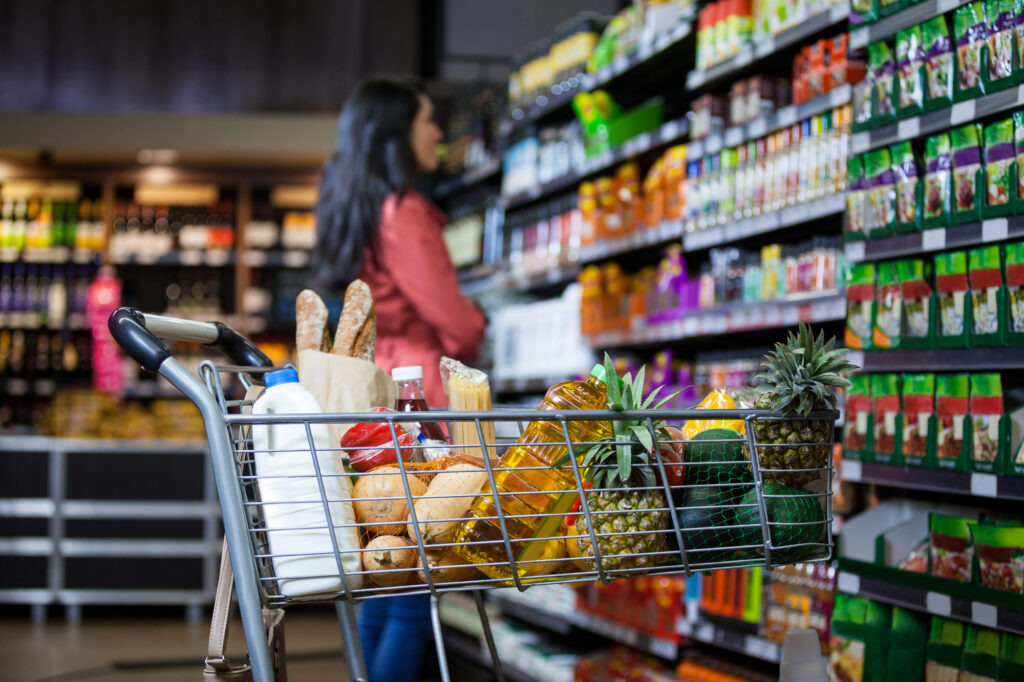
Lately, every trip to the grocery store seems to end the same way: I look at the total and wonder how it got so high. Items that used to be easy additions to the cart now make me think twice, and even the basics seem to cost more every time I shop.
I can’t do much about rising food prices, but I can change how I spend my money. After paying closer attention to my shopping habits, I realized I was buying plenty of things out of routine rather than actual need. A few small adjustments made a bigger difference than I expected.
I’m not clipping coupons for hours or giving up the foods I enjoy. I’m just shopping with a little more intention. These are the simple changes that helped lower my grocery bill and made it easier to deal with higher food prices.
I Switched to Store Brands
This one was easier than I expected. In many cases, store brands are made in the same facilities as name brands, just without the marketing markup. I started experimenting with basics like flour, canned goods, dairy, and pantry staples, and most of the time, I couldn’t tell the difference. That simple swap alone made a noticeable impact.
I Never Shop Without a Plan
If I walk into the store without a list, I overspend. It’s that simple. Now I plan meals before I shop and build my list around those meals. It keeps me focused and prevents those “maybe I’ll use this” purchases that add up quickly.
I Check What I Already Have First
Before I head out, I take five minutes to scan the fridge, freezer, and pantry. It stops me from buying duplicates and reminds me what needs to get used up. Sometimes that quick check changes my entire meal plan and saves me from wasting food I already paid for.
I Shop With a Basket, Not a Cart
It sounds small, but it works. A smaller basket limits how much I can physically carry. When I grab a big cart, it subconsciously encourages me to fill it. A basket forces me to prioritize.
I Buy Whole Produce and Prep It Myself
Pre-cut fruits, bagged salads, and chopped vegetables are convenient, but they cost significantly more. I’ve gone back to buying whole produce and prepping it at home. It takes a little extra time, but the savings add up quickly.
I Pay Attention to What’s in Season
Seasonal produce is almost always cheaper and tastes better. Instead of forcing expensive out-of-season items into my meals, I build meals around what’s abundant and reasonably priced.
I Don’t Grocery Shop Hungry
Shopping hungry leads to impulse buys. I grab a quick snack before heading out, and it makes it much easier to stick to my list.
I Actually Look at Sale Flyers
I used to ignore sales ads. Now I scan them before planning my meals. If chicken is on sale, we’re having chicken. If rice is discounted, I stock up. Planning around sales rather than cravings has been a game-changer.
I Use Digital Coupons and Loyalty Programs
Most grocery stores now offer digital coupons and loyalty discounts through their apps. It takes a few minutes to load them before I shop, but those small savings stack up over time.
I Compare Unit Prices
The sticker price doesn’t always tell the full story. I’ve started checking the unit price (cost per ounce or pound) to see which size or brand is actually the better deal. Sometimes bigger is cheaper, sometimes it isn’t.
I Buy in Bulk — But Only What We Use
Bulk buying saves money, but only if you’ll actually use it. I stock up on rice, oats, coffee, flour, and other staples when they’re on sale, and I store them properly so nothing goes to waste.
Related: 18 Things You Should Always Buy In Bulk
I Freeze What We Can’t Use Right Away
If I buy meat or produce in larger quantities, I portion and freeze it immediately. Freezing prevents spoilage and protects my grocery investment.
I Get Creative With Leftovers
Leftovers don’t have to feel repetitive. Roasted vegetables turn into soup. Extra chicken becomes tacos. Stale bread becomes croutons. Stretching meals into something new cuts down on waste and keeps our food budget in check.
I Make More From Scratch
This has probably made the biggest difference. I’ve started making more basic items at home, bread, yogurt, sauces, and even stock from vegetable scraps. It costs less, reduces packaging waste, and helps us rely less on processed convenience foods.
I Grow What I Can
Even if you don’t have a large garden, herbs are easy to grow in pots. I’ve also regrown green onions and lettuce from scraps. Every little bit reduces how often I need to buy.