For years, I reached for a bottle of weed killer whenever the weeds started getting out of hand. It felt like the fastest solution. Spray the weeds, wait a few days, and move on to the next thing.
After doing that for a while, I started looking for other ways to keep weeds under control. I didn’t love the idea of spraying my garden beds every season, especially when the same weeds seemed to find their way back anyway.
What I learned is that weed control starts well before the garden is covered in weeds. Keeping bare soil covered, pulling small weeds early, and staying consistent can make a noticeable difference. These days, I spend less on weed control products, pull fewer weeds, and spend more time enjoying the garden instead of fighting with it.
Here are the methods that replaced weed killer in my routine.
Grow Ground Covers
One of the easiest ways to make a garden less inviting to weeds is to fill open spaces with plants that naturally spread and cover the soil. Plants such as creeping thyme, clover, bugleweed, and sweet woodruff can spread across bare areas and shade the soil.
That shade gives many weed seeds less access to the light they need to get started. Ground covers can also add color and texture to the garden, so you’re getting more than just another way to deal with weeds.
Pull Weeds by Hand
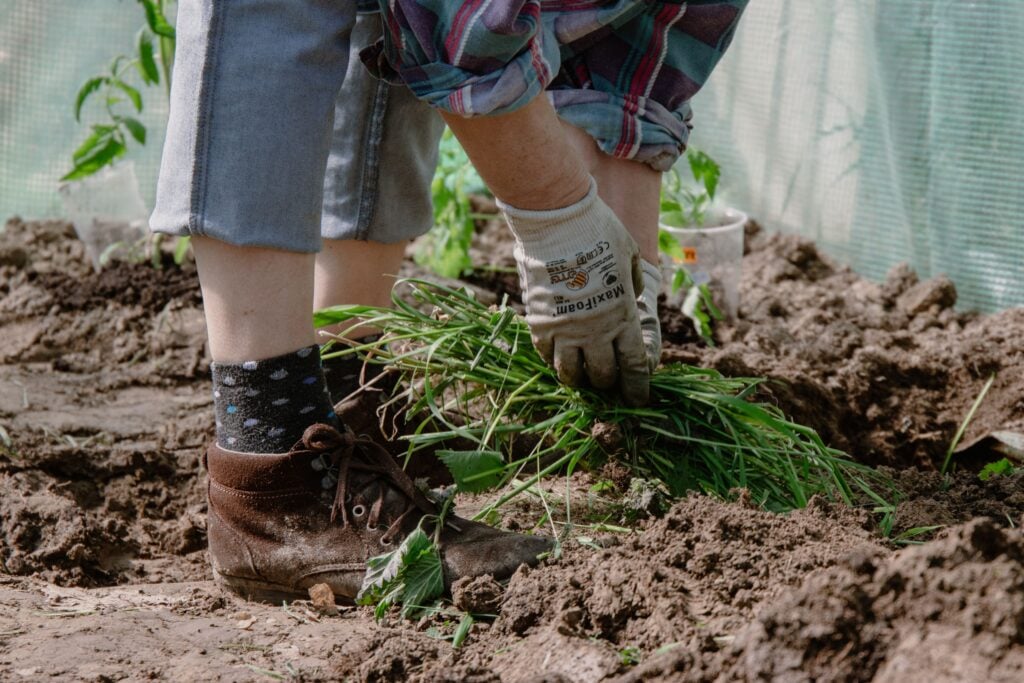
Hand-pulling may sound old-fashioned, but it still works. I keep a pair of gloves and a small hand tool nearby so I can deal with weeds as soon as I spot them instead of waiting until the bed is covered.
The trick is to pull slowly and try to get the root with the plant. Checking the garden for a few minutes at a time can save you from a much bigger weeding job later, especially during the warmer months.
Remove the Entire Root
Some weeds seem to disappear after you pull them, only to pop right back up a week later. That usually happens because part of the root was left in the soil.
For stubborn weeds, loosen the soil around the base with a hand tool and pull the plant out carefully. Getting more of the root system on the first try can save you from having to remove the same weed over and over.
Weed After Rain
A rainy day can make one of the most annoying garden chores much easier. Once the soil is soft, roots often come out with less effort, and small weeds are easier to spot among the plants.
I like to check the garden after a good rain and pull weeds while the ground is still damp. It’s also a good time to get rid of small weeds before they have a chance to flower and spread seeds.
Related: 12 Ways to Find Free, Clean Dirt to Fill Your Raised Garden Bed
Use Vinegar
Vinegar can be useful for weeds growing in cracks, along walkways, or in other places where you don’t want plants growing. The acetic acid can damage the leaves and dry out the plant after direct contact.
This is one to use carefully because vinegar can also damage plants you want to keep. I’d stick to small, targeted areas and avoid spraying on or near garden plants.
Pour Boiling Water
Boiling water is one of those simple tricks that can work well for weeds growing in places like sidewalk cracks, gravel, and spaces between patio stones. The heat damages the plant tissue, causing the weeds to wilt soon after.
It works best on small patches where there are no desirable plants nearby. Just pour carefully, since boiling water doesn’t know the difference between a weed and something you planted on purpose.
Use Salt Carefully
Salt can dry out plants when it is applied directly to them, which is why some gardeners use it against weeds growing in cracks and other unwanted spots.
I would keep salt far away from garden beds, lawns, and other areas where you want healthy plants to grow. Salt can build up in soil and make it difficult for plants to grow, so this is better suited to places like cracks in pavement where you don’t plan to grow anything.
Try Baking Soda
Baking soda is another household item people use on weeds growing in cracks and other hard surfaces. Sprinkled directly onto the weed, it can dry out the plant and make the area less hospitable to new growth.
Like salt, baking soda shouldn’t be dumped into garden beds because too much can change the soil and cause problems for plants you want to keep. I’d reserve it for isolated weeds in places where other plants aren’t growing.
Add Mulch
Mulch is one of the first things I reach for when I want to cut down on weeds. A thick layer over bare soil blocks sunlight and makes it harder for many weed seeds to sprout.
Organic mulch can also help the soil hold moisture and break down over time. Keep the layer thick enough to cover the soil, but don’t pile it directly against plant stems or tree trunks.
Use Cardboard or Newspaper
Cardboard and layers of newspaper can be useful when you’re dealing with an area that is already packed with weeds. Lay the material over the soil, overlap the edges so weeds don’t find gaps, and cover it with mulch to keep everything in place.
The covering blocks light from reaching the weeds underneath. Over time, cardboard and plain newspaper break down, which makes this a handy option for starting a new bed or cleaning up an overgrown patch.
Try a Rubbing Alcohol Spray
A diluted rubbing alcohol solution can dry out weed leaves when it is sprayed directly onto them. It tends to work best on small weeds rather than large, established plants.
This is another method I would keep away from the plants you want to keep. Alcohol can damage leaves and stems on many plants, so direct application matters here.
Use Cornmeal as a Suppressant
Cornmeal is sometimes used in gardens as a way to discourage new weed seeds from sprouting. It doesn’t get rid of weeds that are already growing, so it’s more of a preventative measure than a weed killer.
If you try it, use it in areas where you’re trying to limit new weed growth and keep in mind that results can vary. It’s a small extra step, not a replacement for mulch, hand-pulling, or regular garden maintenance.
Plant Densely
Bare patches of soil give weeds plenty of room to take over. Planting your garden with enough spacing for healthy growth, while still keeping the soil covered, can leave fewer open spots where weeds can get started.
Healthy plants also shade the soil and compete with weeds for water and nutrients. You don’t want to overcrowd your garden, but filling empty spaces with the right plants can make a noticeable difference.
Hoe Small Weeds Early
A garden hoe is one of the simplest tools you can use for young weeds. Run it just below the soil surface to cut small weeds loose before they have time to establish deep roots.
This works best when the weeds are still young, and the soil isn’t rock hard. I also prefer doing it on a dry day, since weeds left on the surface can dry out instead of rooting again.
Use Landscape Fabric
Landscape fabric can help cut down on weeds in areas such as pathways, decorative beds, and spaces around shrubs. Once it is covered with mulch or stone, the fabric blocks much of the light that weeds need to grow.
It isn’t a perfect solution, and weeds can still show up along the edges or in the mulch on top. Still, for the right area, it can cut down on the amount of regular weeding you have to do.
Stay Consistent
This may be the least exciting tip on the list, but it has made the biggest difference for me. Weeds are much easier to deal with when they’re small, and a few minutes of pulling here and there is a lot less work than tackling a garden bed that has been ignored for weeks.
I stopped waiting for weeds to become a big problem before doing something about them. A quick walk through the garden, a little hand-pulling, some fresh mulch, and a few minutes with the hoe can keep things under control without reaching for a bottle of weed killer every time.
Other Topics You Might Like
- If a neighbor’s tree falls on your home in California, who is responsible?
- Need to Block a Neighbor’s View of Your Yard? Here’s How to Do It Without Starting a War
- If a fence falls between neighbors in California, who is responsible for repairs?
- If You Spot These Vintage Garden Peices at a Garage Sale, Grab Them Fast