If you have a drawer full of old greeting cards, ticket stubs, pretty packaging, and paper scraps you can’t quite bring yourself to throw away, you might already have the beginnings of a junk journal.
Junk journaling is a creative way to turn those odds and ends into a book filled with memories, colors, textures, and little pieces of everyday life. You don’t need to be an artist, buy expensive supplies, or make every page look perfect. In fact, part of the fun is finding a use for things you already have.
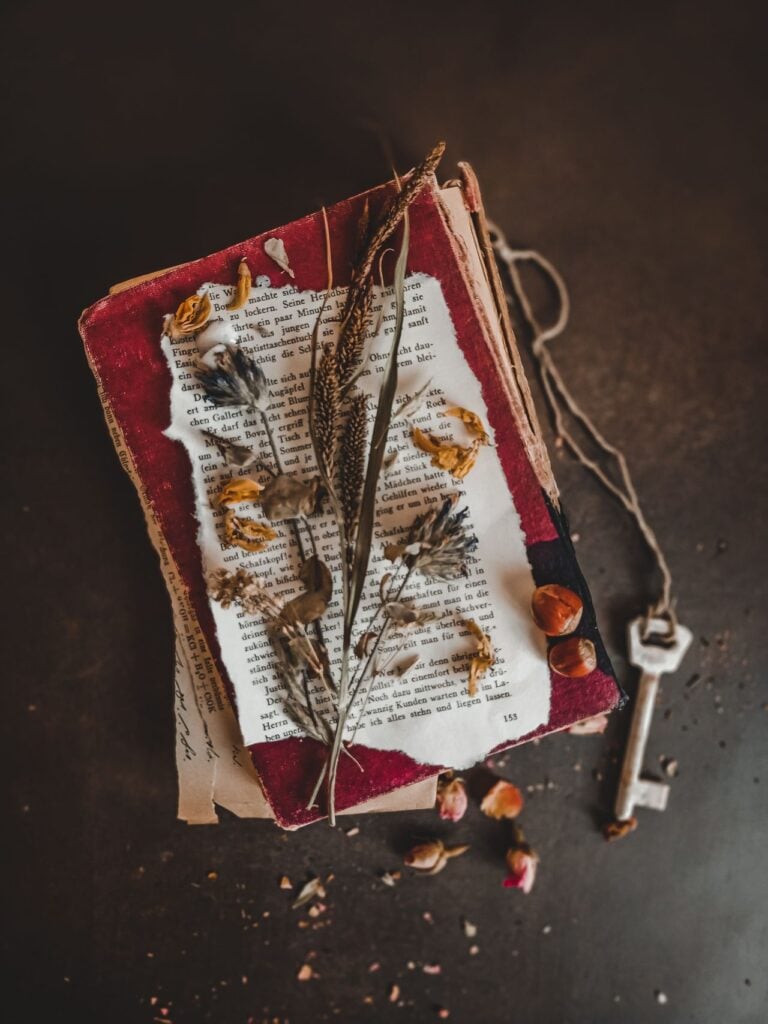
What is junk journaling?
A junk journal is a handmade or decorated notebook filled with a mix of paper, photographs, writing, and other small keepsakes. You might glue in a receipt from a memorable lunch, add a piece of wrapping paper you love, or make a collage from an old magazine.
Some people use their journals to document trips and special occasions, while others use them to experiment with colors and patterns. You can write in yours like a diary, fill it entirely with collages, or do a little of both.
Unlike a traditional scrapbook, a junk journal doesn’t have to follow a timeline or focus on one event. One page might hold vacation memories, while the next is simply a collection of paper scraps you thought looked good together.
Start by shopping your own home
Before you buy a single supply, take a look through your junk drawer, craft stash, and the papers you’ve been meaning to sort. You may be surprised by how much you can use.
Here are a few things worth setting aside:
- Old greeting cards, postcards, and handwritten notes
- Ticket stubs, brochures, maps, and paper receipts
- Magazine pages, newspaper clippings, and book pages from damaged books
- Leftover wrapping paper, gift tags, and tissue paper
- Fabric scraps, ribbon, lace, and buttons
- Printed photographs and copies of family pictures
- Stickers, stamps, and leftover scrapbook supplies
Keep your finds in a shoebox or large envelope until you’re ready to use them. You don’t need a huge collection to begin; a handful of papers and a few meaningful keepsakes are enough for your first pages.
Choose a notebook you already own
An unused notebook, old journal, or sketchbook makes a perfectly good starting point. If you have one sitting on a shelf, use it instead of buying something new.
You can also make a journal from loose paper, cardstock, or pages removed from a damaged book. Punch holes and secure the pages with binder rings, or sew them together if you enjoy bookbinding.
Keep in mind that glued-on paper and fabric will make your journal thicker over time. A notebook with a sturdy cover and a little room to expand will be easier to work with as you add more pages.
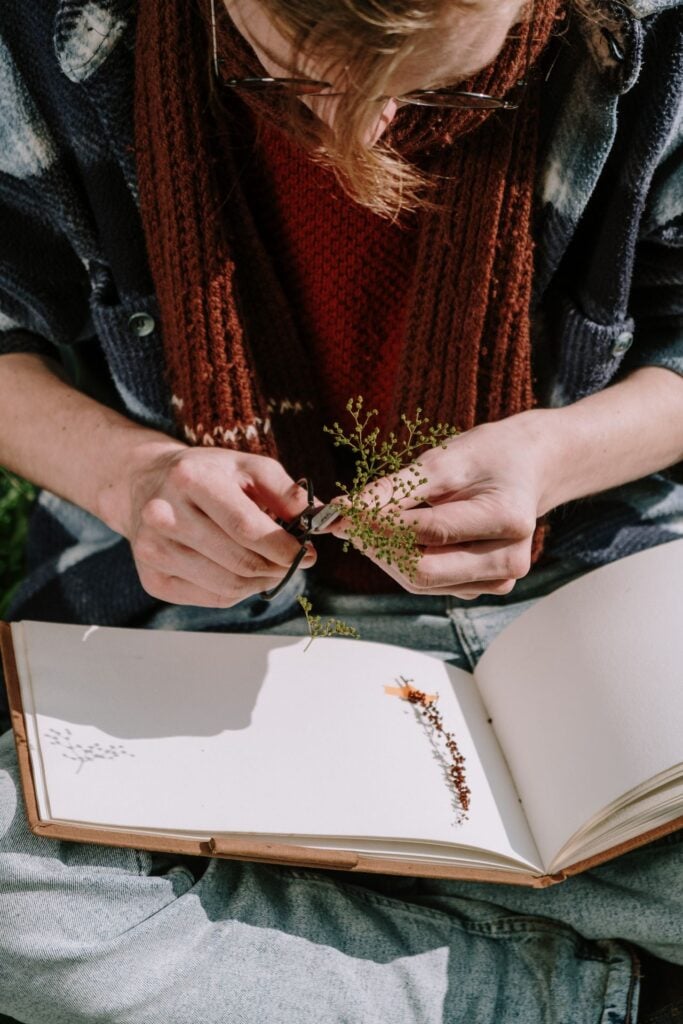
Gather a few basic supplies
You don’t need a fully stocked craft room to make a junk journal. Scissors, a glue stick or double-sided tape, and a pen will get you started.
If you already have washi tape, stamps, colored pencils, or stickers, bring those out too. They’re fun extras, but you don’t need to buy a matching set of supplies before you make your first page.
Pick a theme—or skip it entirely
A theme can make it easier to decide what belongs in your journal, especially when you’re just starting out. You could make one about a recent trip, your garden, family memories, favorite colors, or the little things you collect throughout the year.
You can also skip the theme and let each page be different. A coffee shop receipt, a thrifted postcard, and a scrap of floral wrapping paper don’t have to tell the same story to belong in the same journal.
Start with one page, not the whole book
A blank notebook can feel intimidating when you imagine filling every page. Instead, choose a single item you want to keep, perhaps a photograph, postcard, or piece of patterned paper, and build a page around it.
Lay a few scraps beside it and move them around before gluing anything down. Try placing a larger piece of paper in the background, then adding smaller pieces on top until you like the arrangement.
There’s no need to fill every inch of the page. Leave some blank space if you want to write a date, add a note, or come back to it later.
Add pockets for the little things you want to save
Not everything needs to be glued directly onto a page. A small envelope or folded piece of paper can become a pocket for tickets, notes, photographs, or other keepsakes you may want to take out and look at again.
You can glue an envelope onto a page or attach three sides of a rectangle of cardstock to create your own pocket. This is especially useful for items with writing on both sides.
Make it personal
The most interesting part of a junk journal is that it reflects the person making it. Add a handwritten note about where you found something, what happened that day, or why a particular scrap was worth saving.
Your pages don’t need to look like the carefully arranged journals you see online. Crooked edges, mismatched patterns, and a mix of old and new materials can give your book its own character.
Keep collecting as you go
Once you start junk journaling, you may notice little paper keepsakes you would have overlooked before. Save a café sleeve from a day out, a tag from a thoughtful gift, or a brochure from a place you visited.
You don’t have to sit down and make a page every day. Keep a small envelope for new finds, then pull it out whenever you feel like spending a little time cutting, arranging, and creating.
The best part of junk journaling is that you can start with what you already have. Pick up an unused notebook, gather a few scraps you love, and make a page there’s no need to wait until you have the perfect supplies.