For a long time, homes have been designed to keep up with us. Faster Wi-Fi, smarter devices, screens in every room. But lately, something has started to shift. Instead of asking how a space can do more, people are beginning to ask how it can help them slow down.
The “going analogue” movement is emerging as a response to that question. Rooted in slow living and intentional design, it focuses on creating spaces that encourage rest, creativity, and connection—without relying on screens.
It’s less about removing technology entirely and more about making room for something else.
Designing Spaces That Help You Switch Off
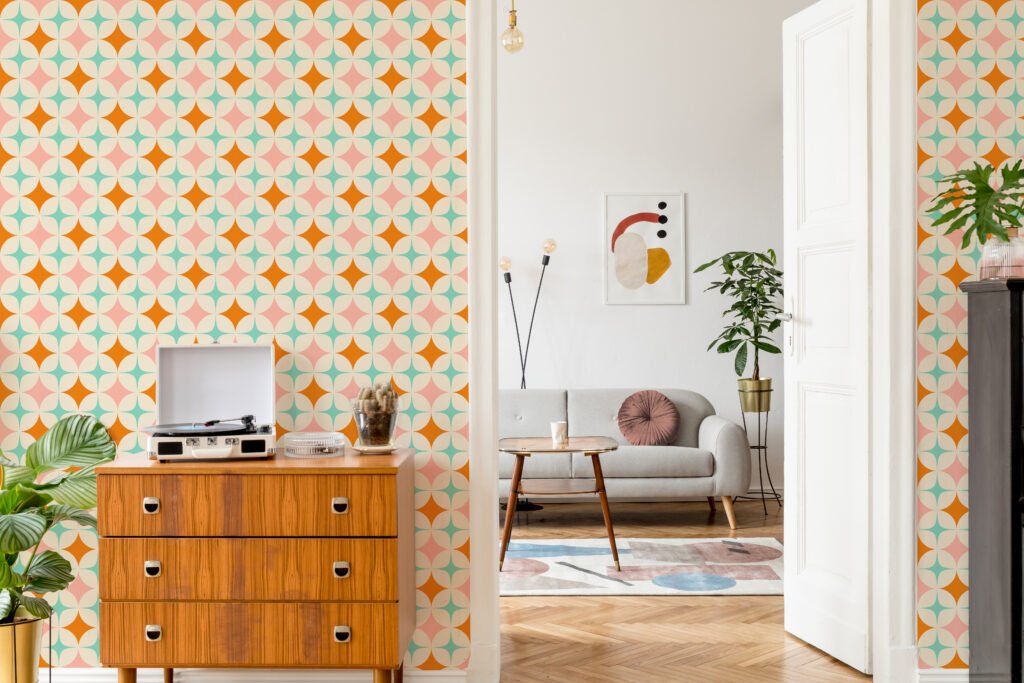
At its core, going analogue is about carving out moments of quiet within the home. Not necessarily entire rooms, but small, thoughtful spaces that invite you to pause.
“As many of us look to spend more time at home, creating a space to switch off becomes a priority,” says James Mellan-Matulewicz, Creative Director at Bobbi Beck. “It doesn’t have to be a room dedicated to this. A small nook or well-placed chair can help create time for yourself and provide an escape from the outside noise.”
These spaces don’t demand attention. They simply offer an alternative somewhere to sit, think, read, or just be, without the pull of notifications.
The Return of Offline Rituals
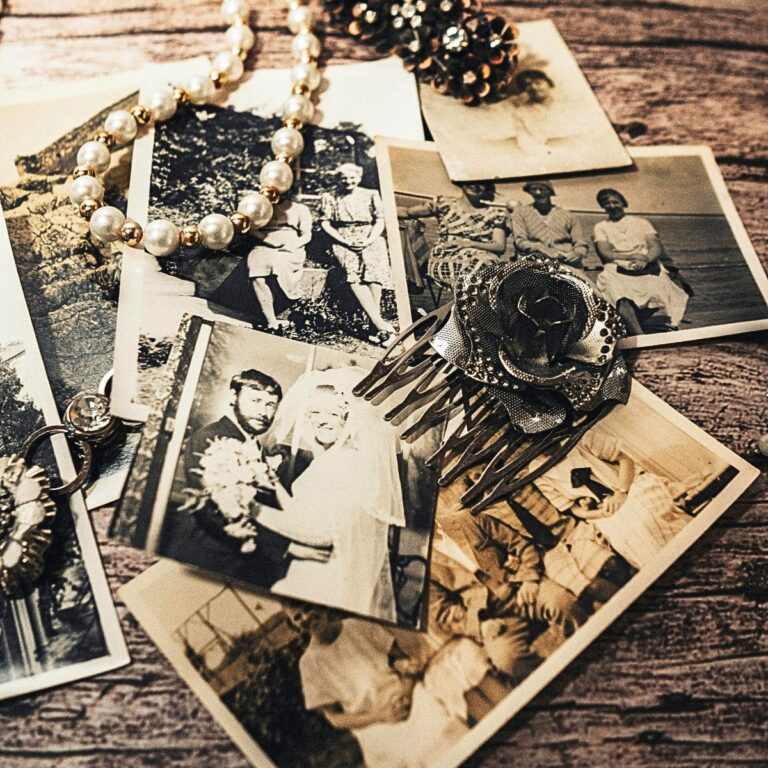
Part of the appeal of analogue living is the return to slower, more tactile experiences. Vinyl records, handwritten notes, physical books, small rituals that require presence in a way screens don’t.
There’s a growing appreciation for these moments. Selecting a record and listening from start to finish. Sitting down with a notebook instead of a phone. Letting time stretch a little, rather than constantly filling it.
In many homes, this translates into dedicated spaces designed around these rituals, not out of necessity but out of intention.
Creating Corners That Invite Connection
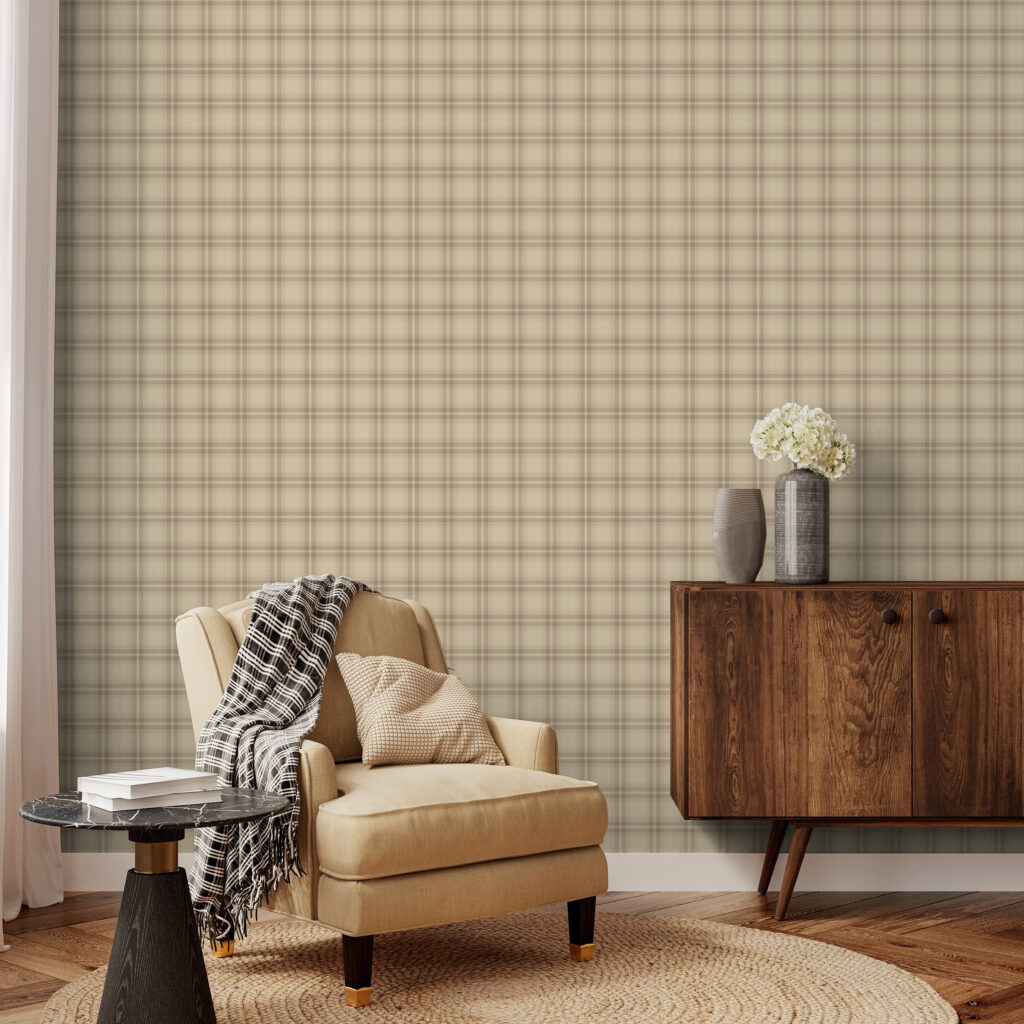
One of the simplest ways to bring this idea to life is through what could be called a conversation corner. A space designed not for productivity, but for presence.
Soft seating, warm lighting, and tactile materials help define the mood. Coffee tables stacked with books, board games, or even a deck of cards subtly shape how the space is used.
Without screens to compete for attention, these areas naturally encourage slower, more meaningful interaction, something that feels increasingly rare.
Spaces for Reflection and Creativity
Other analogue zones lean more inward. A small desk tucked into a quiet corner can become a journaling space. A chair near a window can double as a place to think, read, or simply sit without distraction.
These setups are often simple, but intentional. Natural light, calming colors, and organic materials help create an environment that supports focus without pressure.
Crafting spaces follow a similar idea. Whether it’s knitting, drawing, or painting, having a dedicated place to begin makes it easier to actually follow through.
“It’s often easier to imagine starting a new hobby than it is to begin,” Mellan-Matulewicz notes. “But having a space ready for it makes that transition feel natural and inviting.”
Designing for Comfort, Not Just Aesthetics
While analogue interiors are visually appealing, their real focus is on how a space feels.
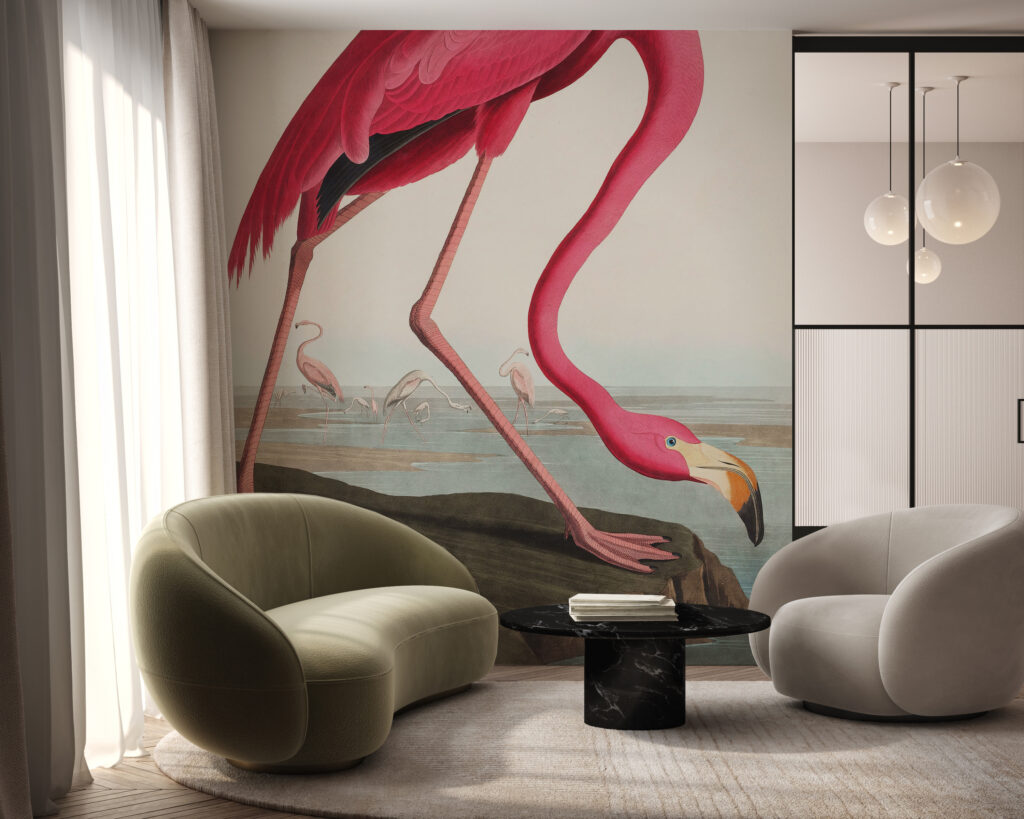
Textures play a key role in soft rugs, upholstered seating, and layered fabrics, all working together to create warmth. Lighting is kept gentle and ambient, avoiding the harshness of overhead fixtures.
Even color choices tend to lean calming rather than stimulating, often drawing from natural tones or muted palettes that help the mind settle.
These aren’t spaces designed to impress at a glance. They’re designed to be experienced slowly.
A Home That Holds Space for You
The rise of analogue living reflects something deeper than a design preference. It speaks to a growing need for balance in a world that rarely slows down on its own.
By creating small, screen-free zones within the home, people are reclaiming time in a way that feels manageable. Not by disconnecting entirely, but by choosing when and how to engage.
In that sense, going analogue isn’t about going backward. It’s about creating space for the parts of life that are easiest to overlook, quiet, creativity, and moments of real rest.
And as homes continue to evolve, those moments are becoming something worth designing for.