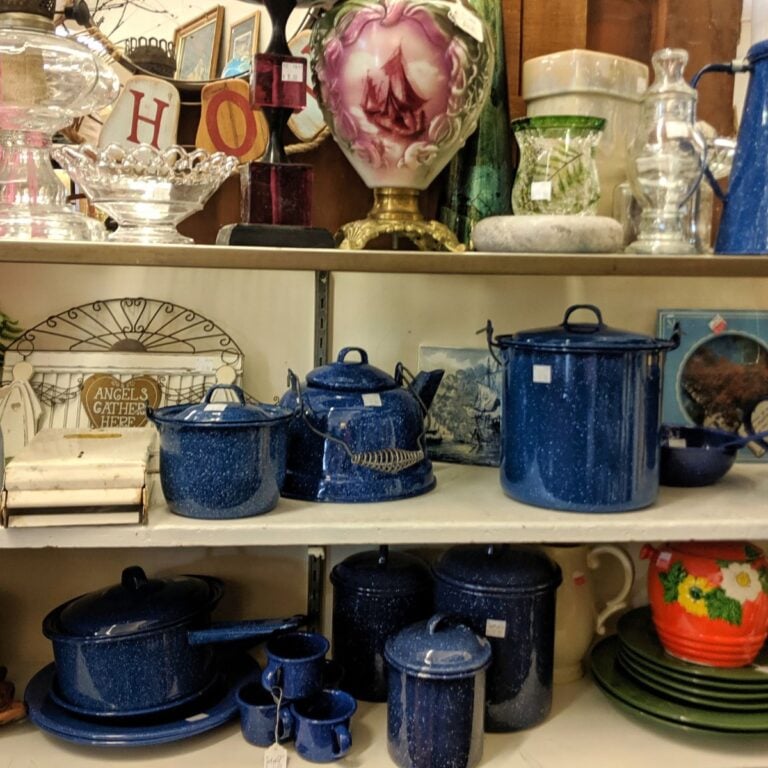
Most homes don’t become cluttered overnight. It usually happens little by little. You buy something because it’s on sale, keep something because you might need it later, or bring home something that seems useful at the time. Before long, closets are packed, countertops have become drop zones, and finding a place for one more thing starts to feel like a chore.
It’s easy to bring more things into the house than you realize. Online shopping, sales, gifts, and everyday purchases can slowly add up, while getting rid of things happens much less often. The result is a home where the stuff starts taking up more attention and space than it used to.
If your house has started feeling crowded or harder to keep tidy, look for these signs. You might find that the problem isn’t a lack of organization but simply having more things than you have room or use for.
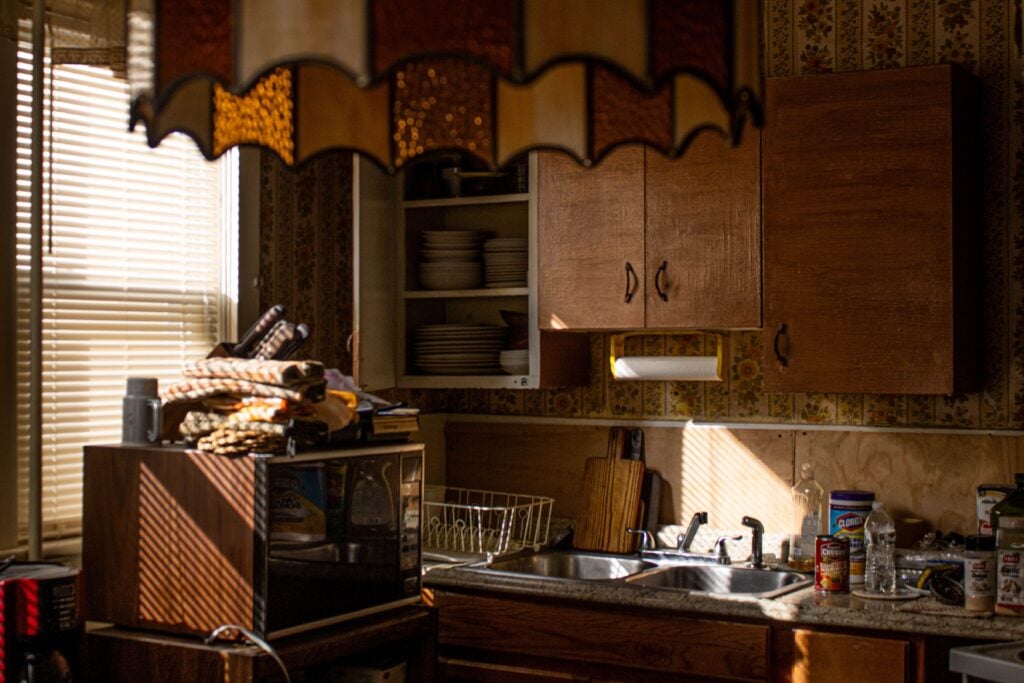
You Own Multiple Versions of the Same Item
Duplicates have a funny way of sneaking into a home. You can’t find the can opener, phone charger, measuring cup, or black sweater you need, so you buy another one. Then, months later, you find the original buried somewhere you weren’t expecting.
This happens with everything from kitchen tools and extra chargers to clothing items. Having a backup or two can be useful, but if you have several versions of the same thing, it’s worth asking how many you actually use.
Storage Areas Are Taking Over Living Spaces
When closets and cabinets run out of room, the overflow has to go somewhere. Boxes start appearing in the spare bedroom, seasonal decorations end up in the hallway, and the basement becomes a storage space instead of a space you actually use.
The closet may have been full for years, but eventually the problem spreads. Even the garage can become a storage unit for things you haven’t used in years, leaving little room for the car or the activities the space was meant for.
You’re Constantly Buying Storage Containers
There’s nothing wrong with using baskets, bins, or drawer organizers. The problem starts when buying more storage becomes the automatic answer every time you run out of space.
A new container can make a messy shelf look better for a while, but it doesn’t reduce the amount of stuff you own. If you’re constantly adding bins because your existing storage is full, it may be time to look at what’s inside those bins before buying another one.
New Things Keep Coming In, but Very Little Leaves
Think about the last few months. How many items of clothing, kitchen items, gadgets, decorations, toys, or household products came into your home? Now think about how many things actually left.
If the answer is that far more comes in than goes out, it’s easy to see how clutter builds up. A few purchases here and there may seem harmless, but the difference becomes obvious after several years.
Drawers, Closets, and Cabinets Are Overstuffed
You shouldn’t have to push a pile of clothes down just to close a drawer or move five pans before you can reach the one you use. When storage spaces are packed that tightly, everyday tasks become more frustrating than they need to be.
Crowded shelves also make it harder to see what you own. Things get pushed toward the back, forgotten, and eventually replaced because you assume you don’t have them anymore. If you have to rearrange an entire cabinet just to grab one item, the space may be carrying more than it can comfortably hold.
Flat Surfaces Are Always Covered
Kitchen counters, dining tables, desks, and entryway tables tend to reveal clutter pretty quickly. If there isn’t a clear surface anywhere because mail, packages, paperwork, keys, appliances, and random household items keep landing there, the problem may be bigger than one messy room.
A kitchen counter is a good example. Once there’s too much stuff in the house, it becomes easy to use every open surface as temporary storage for random items. Then those temporary piles somehow become permanent.
Cleaning Feels Like a Huge Job
Cleaning shouldn’t require moving half the room before you can start. But that’s what happens when shelves, tables, floors, and counters are packed with belongings.
Instead of wiping a surface, you have to move everything first. Instead of vacuuming, you have to pick up piles and objects from the floor. Even something as simple as dusting can turn into a much bigger task when every surface is covered.
You Spend Time Looking for Things You Already Own
One of the most frustrating parts of having too much stuff is losing things inside your own home. You know the item is somewhere, but finding it means checking several drawers, closets, boxes, and piles.
Chargers, tools, clothing, paperwork, and other everyday items can easily get lost beneath other belongings. You might even spend money replacing something, only to find the original a few weeks later. If you’re constantly searching for things you know you own, the amount of stuff around you may be making it harder to keep track of everything.
You Have Items You Forgot You Owned
Finding something you completely forgot about can be a pretty good clue that you have more stuff than you’re using. Maybe it’s a shirt that still has the tags on it, an unopened kitchen gadget, or a box you haven’t touched since your last move.
One forgotten item isn’t a problem. But if you regularly open closets or drawers and discover things you didn’t remember owning, there’s probably more in your home than you can realistically keep track of.
Your Home Has Several “Catch-All” Areas
Almost every home has a junk drawer. That’s normal. The problem is when every room starts developing its own version.
A basket by the stairs, a corner of the kitchen counter, a chair in the bedroom, and a shelf in the office can all become places where things are dropped because nobody knows where else to put them. These little catch-all areas often grow because there’s simply too much stuff without a clear home.
Rooms Never Quite Feel Tidy
Sometimes you can clean an entire room and still feel like it looks messy. The floors are clear, everything is technically in its place, yet the room still feels busy.
That can happen when there are simply too many things competing for attention. A shelf packed with decorations, walls covered with items, and furniture laden with objects can make a room feel crowded, even when nothing is technically out of place. If your home still feels cluttered after cleaning, the number of belongings may be part of the problem.
You Feel Stressed or Mentally Overwhelmed at Home
A crowded home can affect how you feel in the space. When your eyes are constantly landing on piles, unfinished projects, overflowing shelves, or things that need to be put away, it can be harder to relax.
That doesn’t mean every person needs a nearly empty house to feel comfortable. But if certain rooms consistently make you feel irritated, distracted, or overwhelmed, it’s worth looking at what is in them. Sometimes removing a few things can make the room feel much easier to live in.
You Avoid Having Guests Over
If you hesitate to invite friends or family over because the house needs hours of cleaning first, clutter may be part of the reason. A little tidying before guests arrive is normal, but it shouldn’t feel like you need to clear every room before someone can walk through the door.
This can be especially noticeable when you have piles of belongings on chairs, counters, tables, or floors. If you’re spending more time worrying about what guests will see than enjoying their company, it might be time to clear some space.
You Keep Things “Just in Case”
“Maybe I’ll need it someday” is one of the easiest ways to fill a closet. Old electronics, clothes that no longer fit, extra containers, tools, craft supplies, and miscellaneous household items often stick around because they might become useful at some point.
There are certainly things worth keeping for emergencies or occasional use. But if you’ve been holding onto something for five or ten years without using it, it’s fair to ask whether the possibility of using it someday is worth giving it permanent space in your home.
You’re Always Organizing, but Things Never Stay Organized
If you’re constantly rearranging the same closet, sorting the same drawer, and buying new organizers for the same shelves, the problem may not be your organizational skills.
Sometimes there are simply too many belongings for the available space. You can sort everything perfectly on Sunday, but if there are still more things than your cabinets, drawers, and closets can comfortably hold, the clutter will slowly return. Getting rid of a few things may do more than another afternoon of rearranging.
You Own Many Things You Rarely Use
It’s normal to own items that only come out once or twice a year. Holiday decorations, special cookware, camping equipment, and other occasional-use items can have a legitimate place in your home.
The bigger question is how much of your home is filled with things you almost never use. If you open a cabinet and find item after item that hasn’t been touched in years, those belongings may be taking up space that could be used for things you actually enjoy or need.
A home doesn’t have to be minimal or nearly empty to feel comfortable. But when your belongings make cleaning harder, hide the things you actually use, or leave you feeling like you’re always trying to catch up, it’s probably time to take a closer look at what you’re keeping.