Windex is one of those cleaning products many people reach for without giving it much thought. It works well on windows and mirrors, so it’s easy to assume it will do the same job on just about anything else around the house.
I’ve been guilty of that myself. Fingerprints on an appliance? Grab the Windex. A smudge on the counter? Same bottle. It’s convenient, but glass and other household materials don’t always react the same way to a cleaner.
Depending on the formula, ingredients such as ammonia and alcohol can be too harsh for certain finishes, coatings, metals, and natural materials. You might get streaks at first, but repeated use could leave some surfaces looking dull or even damage their finish.
Here are nine things I’d think twice about cleaning with Windex.
1. Stainless Steel Appliances
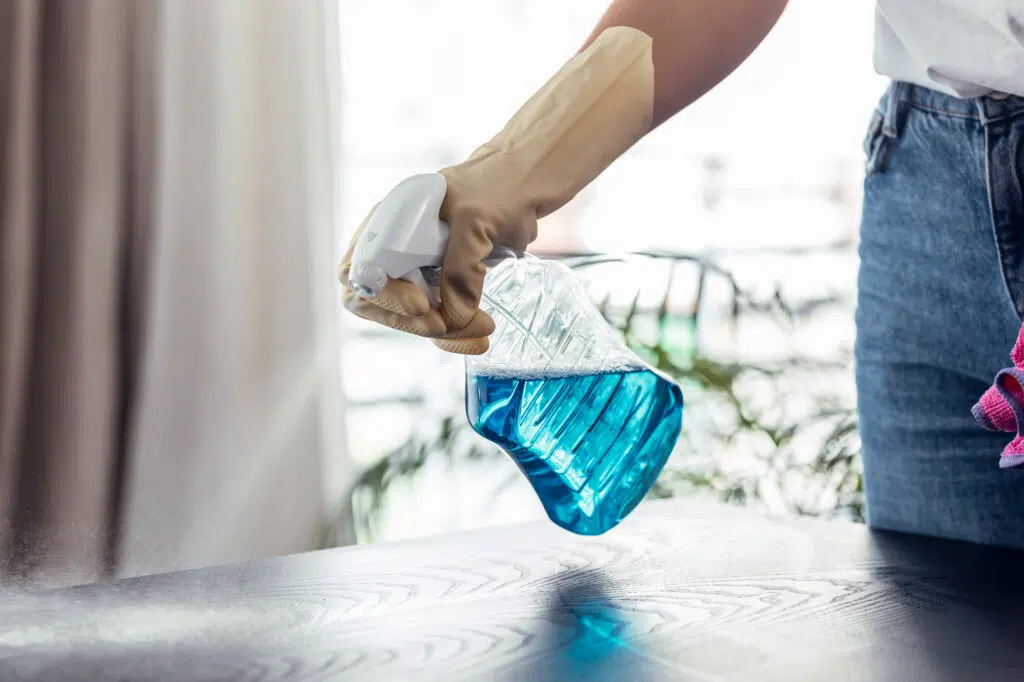
Windex can remove fingerprints from stainless steel pretty quickly, which is why it’s tempting to use it on refrigerators, dishwashers, and other appliances. The trouble is that it can leave streaks or residue that make the surface look less clean than before.
Stainless steel often has a brushed finish with a particular grain, so it’s best to clean in the direction of that grain. I’d reach for a product made for stainless steel, such as Weiman Stainless Steel Cleaner and Polish, and use a microfiber cloth to wipe away fingerprints and smudges.
Related: The Biggest Mistakes People Make When Cleaning Window Blinds
2. Wood Furniture and Surfaces
Wood tables, cabinets, and other furniture aren’t surfaces I’d clean with Windex. Many wood pieces have a protective finish, and repeated use of an unsuitable cleaner can leave it cloudy, dry, or worn.
A cleaner made for finished wood, such as Daily Wood Cleaner, is a better choice for routine care. If you’re cleaning an antique or valuable piece, check its care instructions and test any new product on a hidden spot first.
3. Granite and Marble Countertops
Granite and marble countertops may look tough, but natural stone needs the right kind of cleaner. Some glass cleaners can leave residue or affect certain sealants and finishes over time.
I’d use a product made for natural stone, such as Granite Gold Daily Cleaner, which is intended for surfaces like granite and marble. If you’re unsure what kind of stone you have or whether it’s sealed, check with the installer or manufacturer before trying a new cleaner.
4. Electronic Screens
Don’t treat your television, laptop, tablet, or phone screens like ordinary glass. Many modern screens have coatings that help reduce glare or make fingerprints less noticeable, and unsuitable cleaning products can damage those coatings or leave cloudy marks.
For everyday cleaning, a dry or slightly damp microfiber cloth is usually a good place to start. If the screen needs more attention, use an electronics cleaner, such as a Screen Cleaner Kit, and apply it to the cloth rather than spraying directly onto the screen unless the product instructions say otherwise.
5. Leather Furniture
Leather sofas and chairs need more care than a quick spray with glass cleaner. The wrong product can affect the leather’s finish, leave marks, or cause certain types of leather to dry out.
A cleaner made for leather, such as Leather Cleaner, is a better option. Check the furniture manufacturer’s care instructions and test the product on a hidden section before cleaning the entire piece, since different leather finishes have different requirements.
6. Laminate Countertops and Glass Stovetops
Laminate countertops and glass stovetops may look easy to clean, but they don’t need the same products. Using the wrong cleaner on laminate can leave streaks or affect its appearance, while glass cooktops can get scratched if you scrub food debris too aggressively.
For a smooth cooktop, use a product made for the job, such as Cerama Bryte Cooktop Cleaner, and follow the appliance manufacturer’s instructions. For laminate counters, a soft cloth and mild cleaner are usually a better choice than a glass cleaner.
7. Copper and Brass
Copper pots, brass fixtures, and decorative metal pieces need cleaners made for their particular finishes. Windex isn’t meant to remove tarnish, and the wrong product may affect the metal’s appearance.
For copper pieces meant to have a bright finish, Wright’s Copper Cream is made for the job. Keep in mind that some copper and brass items are meant to have a darker, aged patina, so you may prefer to leave that finish alone rather than polish it away.
8. Painted Walls
It’s easy to reach for the nearest spray cleaner when you spot a mark on the wall, but painted surfaces can be sensitive to the products you use. Flat, matte, and low-sheen paints are especially prone to showing shiny patches or discoloration after cleaning.
Start with a soft cloth lightly dampened with water and avoid scrubbing too hard. If you need a cleaner, Mrs. Meyer’s Clean Day Multi-Surface Cleaner may work if the paint manufacturer’s instructions allow it, but test it in a hidden area first, especially on older paint.
9. Jewelry
I wouldn’t clean jewelry with a general-purpose glass cleaner. Metals, gemstones, coatings, and glued pieces all have different care requirements, and some can be damaged by chemicals that are perfectly fine for other household surfaces.
A cleaner made for jewelry, such as Brilliant Jewelry Cleaner, may work for certain pieces, but check its instructions before using it. Pearls, opals, and other delicate stones often need special care, so it’s best to take valuable or fragile jewelry to a professional jeweler.