Every thrift shopper has a section they tend to skip, whether it’s shoes, bedding, stuffed animals, or used electronics. Concerns about cleanliness, wear, and how an item was stored can make some secondhand purchases feel like a gamble.
Still, skipping an entire aisle could mean missing out on a great find. Knowing what to check, what can be washed safely, and what should stay on the shelf can help you shop with more confidence.
Here’s a closer look at eight thrift store sections that often get mixed reactions and whether they’re worth a stop.
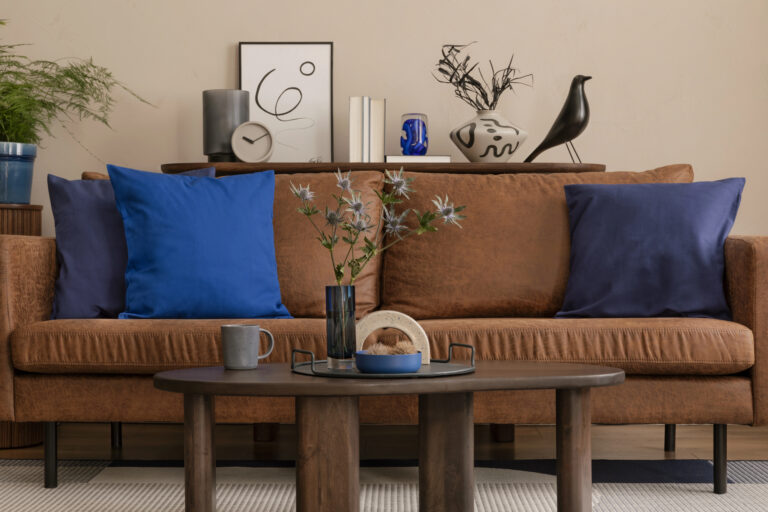
Upholstered Furniture
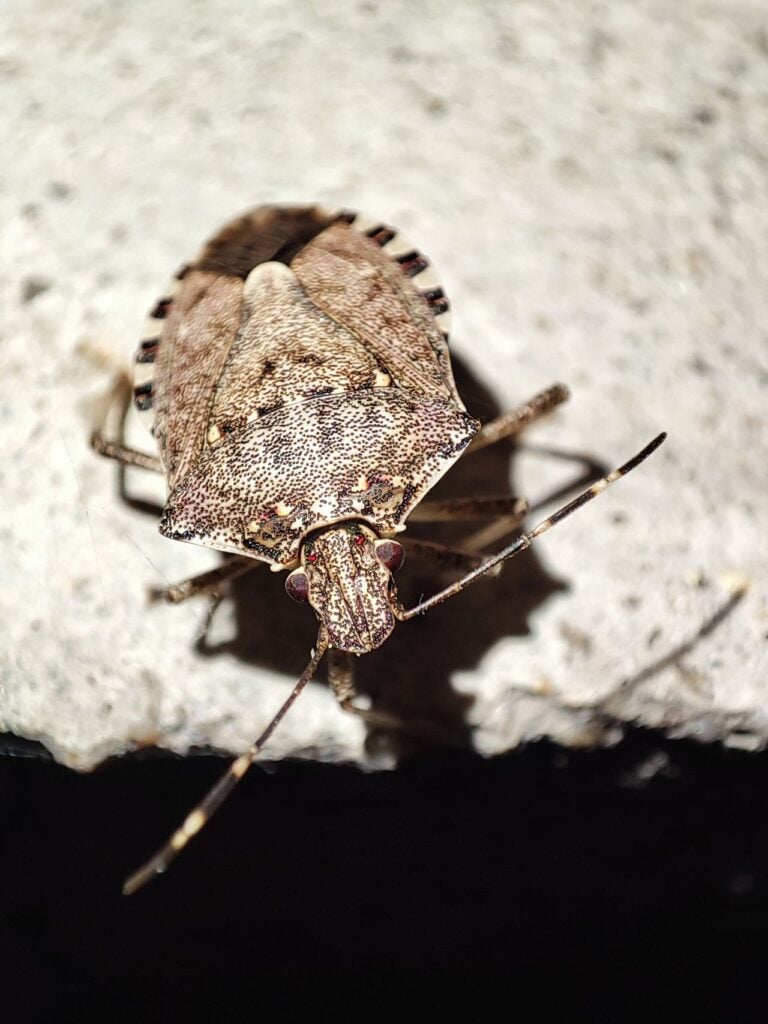
Secondhand sofas, armchairs, and dining chairs with fabric seats can cost much less than new ones, but they need a close inspection before you buy. Check seams, cushions, and hidden crevices for stains, musty odors, signs of bedbugs, and damage that could be expensive to fix.
Worth shopping? Yes, if the piece is in good condition and you can inspect it thoroughly before bringing it home.
Related: 10 Unwritten Rules of Thrift Store Shopping Everyone Should Know
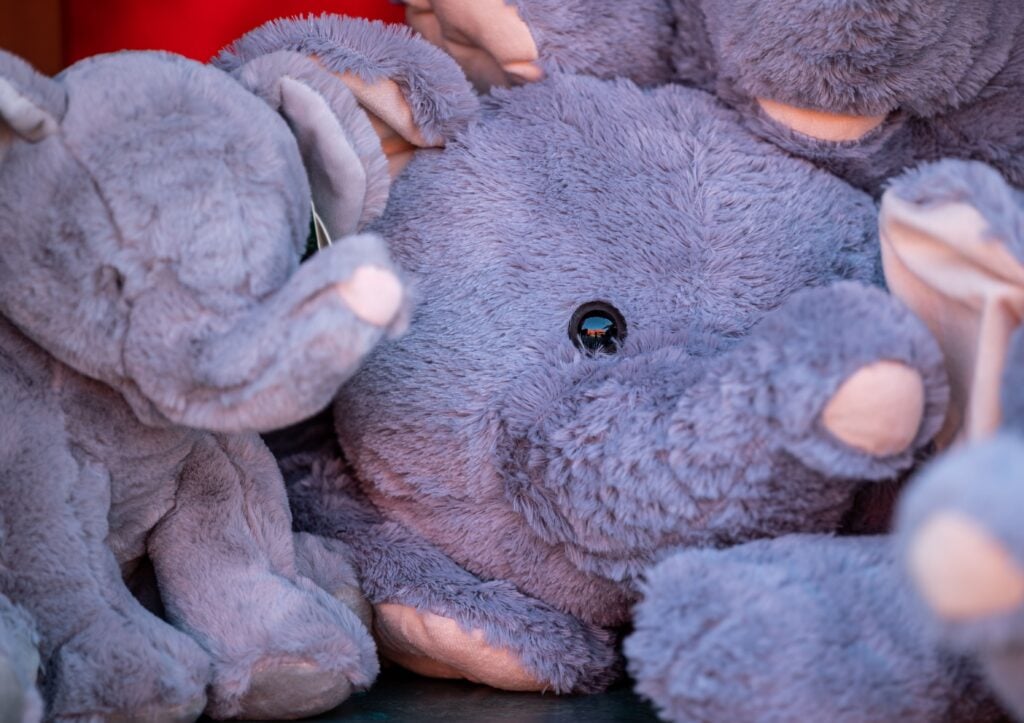
Stuffed Animals
Thrift stores often have plenty of plush toys, from classic teddy bears to character toys that are hard to find in stores. Look for washable toys with intact seams, no suspicious stains or odors, and care labels that help you decide whether they can be cleaned safely.
Worth shopping? Yes, if the toy is clean, in great shape, and can be washed according to its care instructions.
Related: What Savvy Thrift Shoppers Do Differently That Most People Never Think About
Shoes
Secondhand shoes can be a good find, especially leather boots, dress shoes, and barely worn sneakers from quality brands. Check the soles, insoles, stitching, and inside lining for deep wear, mold, or lingering odors, and make sure the shoes fit comfortably before buying.
Worth shopping? Yes, since condition and fit matter more than the label on the shoe.
Related: Donating Your Clutter? Here’s What Thrift Stores Want You to Know
Clothing
Clothing is one of the most popular thrift store purchases, and a little patience can turn up quality pieces at low prices. Check underarms, collars, cuffs, hems, pockets, and zippers for stains, holes, damage, or signs of pests before taking a garment home.
Worth shopping? Absolutely, as long as you inspect each piece and feel comfortable with its condition.
Related: 8 Things Thrift Store Workers Wish Donors Knew Before Dropping Items Off
Bedding and Linens
Vintage quilts, blankets, tablecloths, and fabric napkins can be lovely finds, especially if they’re well-made and still in good shape. Pillows and bulky comforters deserve more caution because they can be difficult to clean thoroughly, so skip anything with a musty smell, stains, or signs of pests.
Worth shopping? Quilts, blankets, and washable linens can be worth buying, while used pillows are often better left behind.
Toys and Storage Containers
Plastic bins, baskets, organizers, and secondhand toys can be useful buys for a fraction of their new retail price. Open every container and check for dirt, pests, broken parts, missing pieces, or small components that could pose a choking hazard to young children.
Worth shopping? Yes, as long as you can inspect the contents and confirm the items are clean, complete, and safe to use.
Books
Thrift store books are often inexpensive, and you may find older editions, cookbooks, children’s stories, or titles that are hard to find elsewhere. Flip through the pages and inspect the covers for mold, water damage, insect activity, and anything left between the pages.
Worth shopping? Definitely, provided the book is dry, free of mold, and in readable condition.
Kitchenware
Cast iron pans, stainless steel pots, glass bakeware, and vintage serving dishes can be some of the best finds in a thrift store. Check cookware for cracks, sharp chips, loose handles, and peeling nonstick coatings, and skip anything with damage that could make it unsafe to use with food.
Worth shopping? Yes, especially for sturdy cookware and dishes that are in good condition and easy to clean.