Selling a house can come with plenty of last-minute surprises, but having your longtime neighbor contact a lawyer the day after finding out about the sale probably isn’t one you’d expect.
That’s what happened to one couple preparing to sell a family home in the rural Midwest. The husband had grown up in the house, and his family had known the elderly neighbors next door since he was about three years old.
But once the neighbors learned the house was going on the market, they had a request that could affect whoever bought it next.
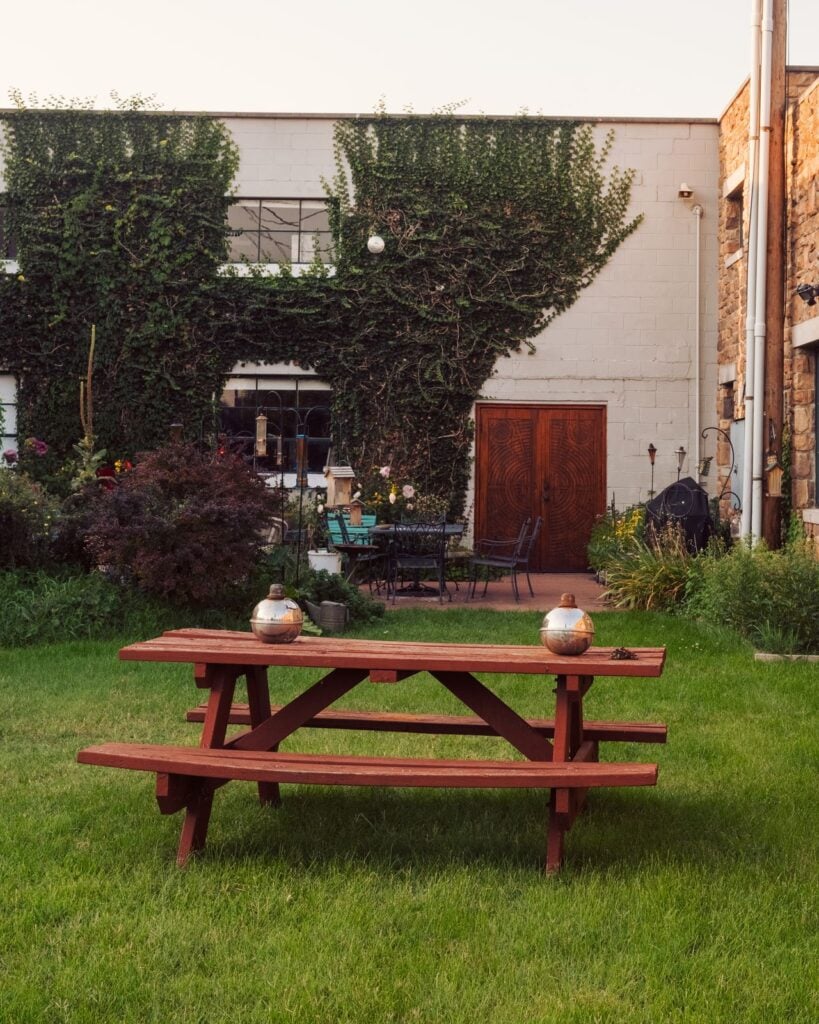
The neighbor had been using their backyard for years
The property includes a large backyard and hill with a path leading behind the homes. Over the years, the husband’s father had informally allowed the neighbor to cut through the property when necessary, including recently when contractors were rebuilding the neighbor’s deck.
There apparently wasn’t a formal easement giving the neighbor a legal right to use the path. It was simply something longtime neighbors had allowed between themselves.
That changed once a sale was on the horizon.
The very next day, he contacted a lawyer
According to the homeowner, the day after they told the neighbor they planned to sell, he spoke with a lawyer about creating an easement and asked them to sign it before putting the house on the market.
The couple didn’t want to. In fact, they had just completed their seller disclosure, which specifically asked about easements, and they worried that creating one now could make the property less appealing to potential buyers.
They took to Reddit to ask whether refusing would be rude or whether there was any good reason to agree.
Reddit had a pretty clear answer
Commenters overwhelmingly encouraged the homeowners not to sign anything simply to accommodate the neighbor. Several said an easement allowing a neighbor access through the backyard would make them think twice about buying the property themselves.
Others pointed out that the informal arrangement worked because the families knew one another. A future owner could decide whether they wanted to extend the same courtesy, rather than having that decision made for them before they even bought the house.
One commenter also made an interesting point: the neighbors had known the homeowner’s father-in-law for decades and never formalized the arrangement while he owned the property. Why make it permanent now?
Would you sign it before selling?
It’s easy to understand why the neighbor wants to protect access he’s been allowed to use for years. But there’s also a big difference between a neighbor saying, “Sure, you can cut through my yard,” and creating a formal easement that could affect the property after it’s sold.
The homeowners ultimately didn’t see why they should make that decision for the next owner.
Would you sign the easement to help a longtime neighbor, or leave it up to the new homeowner to decide?
Other Topics You Might Like
- If a neighbor’s tree falls on your home in California, who is responsible?
- Need to Block a Neighbor’s View of Your Yard? Here’s How to Do It Without Starting a War
- If a fence falls between neighbors in California, who is responsible for repairs?
- If You Spot These Vintage Garden Peices at a Garage Sale, Grab Them Fast