Thrift shopping used to be pretty straightforward: dig through the racks, find something you love, and hopefully walk away paying a fraction of what it would cost new. But lately, some shoppers feel like the experience is changing and not necessarily for the better.
A recent Reddit discussion brought some of those frustrations to light, with thrift shoppers sharing the store practices that have made secondhand shopping more expensive, inconvenient, or simply frustrating. Here are some of the practices shoppers say are pushing things too far.
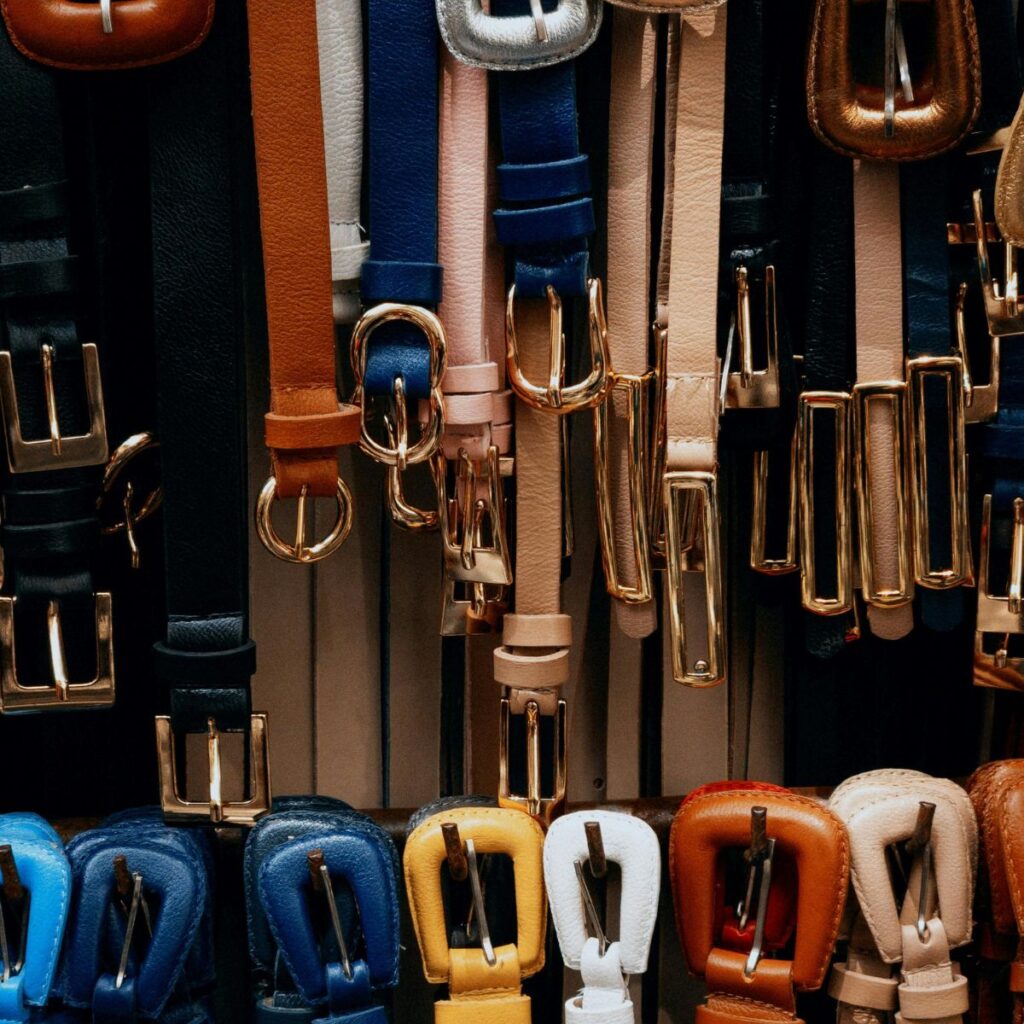
Separating Belts From the Clothing They Came With
A dress, robe, or coat may have been designed and donated with a matching belt, yet shoppers report finding the belt hanging separately in the accessories section with its own price tag. Besides making customers pay extra, separating the pieces can leave the original garment looking incomplete.
Breaking Up Matching Suits
Finding a great suit jacket isn’t nearly as exciting when the matching pants are somewhere else in the store. Shoppers described carrying jackets into another department and searching through racks hoping to reunite matching pieces that may have originally been donated together.
Selling Kids’ Pajama Sets Separately
Even children’s pajamas aren’t necessarily staying together. One shopper reported finding pajama tops and bottoms sold separately at a local thrift store, turning what should be one inexpensive secondhand set into two purchases.
Separating Electronics From Their Chargers
A used laptop without its charger can quickly become more trouble than the bargain is worth. One shopper bought a laptop only to discover its charger had been separately tagged and someone ahead of them in line was already buying it.
Removing Power Cords From Electronics
It’s not just chargers. Shoppers have also encountered electronics with their power cords placed elsewhere in the store, leaving buyers to search through loose cords and figure out which one has the correct connection and voltage before buying.
Splitting Up Appliances and Their Parts
A secondhand appliance isn’t much of a deal when an essential piece is missing. Shoppers described seeing convection-oven trays, vacuum parts, and other components separated from the main appliance and individually priced.
Separating TVs and Other Electronics From Their Accessories
Remotes, transmitters, and other accessories can be surprisingly important to making older electronics useful. Yet shoppers reported finding TV remotes separated from televisions and wireless speaker transmitters separated from the speakers they belonged to.
Breaking Up Toys and Play Sets
A play set with half its pieces missing isn’t nearly as useful to the next family who buys it. Shoppers say they’ve encountered individual parts of larger play sets being priced separately rather than kept together as one complete secondhand item.
Separating Pieces That Naturally Belong Together
Some shoppers say the practice has extended to items as simple as a teacup and its matching saucer. When pieces were originally made, used, and potentially donated as a set, pricing each component individually can make a thrift-store bargain feel a lot less like one.
Getting Rid of Fitting Rooms
Higher prices aren’t the only thing frustrating thrift shoppers. One person described visiting a large two-story Value Village without fitting rooms and ultimately leaving the clothing they had planned to buy behind rather than purchasing pieces they couldn’t try on.