There was a time when home construction moved fast, sometimes faster than safety research could keep up. Builders were experimenting with new materials, trying to make homes more durable, affordable, and modern. But what seemed like smart solutions at the time often came with hidden risks that weren’t fully understood until years later.
Looking back, it’s surprising how many once-common building materials are now restricted or outright banned. In many cases, they were widely used for decades before their long-term health or environmental impact became clear.
Here are some of the most notable construction materials that were once standard but wouldn’t be allowed in homes today.

Asbestos Insulation
Asbestos was heavily used because it resisted heat and fire, making it ideal for insulation. It showed up in walls, ceilings, and even around pipes.
The problem is that once disturbed, it releases tiny fibers into the air that can be inhaled. Over time, those fibers have been linked to serious lung diseases and cancer, which is why their use is now tightly controlled or banned in many applications.
Lead-Based Paint
Lead paint was valued for its durability and rich color, making it a common choice for interior and exterior walls.
But as homes aged and paint chipped or turned to dust, it created serious health risks, especially for children. Exposure to lead has been linked to developmental issues, which led to its eventual ban in residential use.
Related: 14 Tools You Need to Paint Your Home’s Exterior
Urea Formaldehyde Foam Insulation (UFFI)
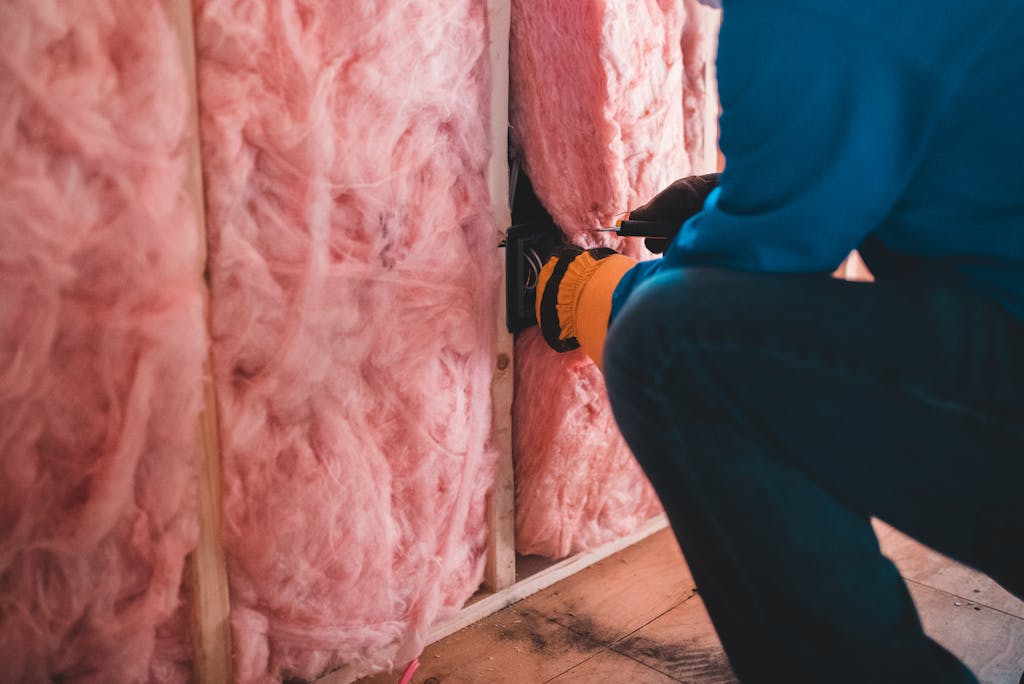
This type of insulation was sprayed into walls to seal gaps and improve energy efficiency. It was quick to install and effective in the short term.
Over time, however, it was found to release gases that negatively affected indoor air quality, leading to respiratory issues and long-term health concerns.
Cadmium-Plated Fixtures
Cadmium was used to coat fixtures like pipes and fittings because it helped prevent corrosion.
Unfortunately, cadmium is a toxic metal that can build up in the body over time. Its use in construction, especially in water systems, is now heavily restricted.
Mercury Thermostats
Older thermostats relied on mercury to accurately measure temperature and control heating systems.
While effective, mercury is highly toxic. Even small leaks or improper disposal can pose risks to both people and the environment, which is why modern systems have moved to digital alternatives.
Arsenic-Treated Wood
Wood treated with arsenic-based chemicals was commonly used for decks, fences, and outdoor structures because it resisted rot and insects.
As the wood aged and broke down, those chemicals could leach out, creating potential health hazards. Today, safer treatment methods have replaced it.
Asphalt Tile Flooring
Asphalt tiles were a budget-friendly flooring option and were often used in kitchens and basements. The issue is that many of these tiles contained asbestos, which becomes dangerous when the material is damaged or disturbed.
Electrical Components Containing PCBs
Polychlorinated biphenyls (PCBs) were used in electrical equipment like transformers because of their insulating properties.
They were later found to be highly toxic and persistent in the environment, leading to widespread bans and safer replacements.
Early PVC Pipes
PVC piping became popular because it was inexpensive and easy to install.
However, early versions contained chemicals that could leach into water over time. Modern PVC is safer, but regulations now limit where and how it can be used.
Galvanized Steel Pipes
Galvanized pipes were once standard in plumbing due to their strength and resistance to rust. Over time, the protective coating breaks down, which can lead to corrosion and potential contamination of the water supply.
Radon-Emitting Materials
Certain building materials, including some types of concrete, were later found to release radon, a radioactive gas.
Radon exposure has been linked to lung cancer, which is why testing and mitigation are now standard in many areas.
Fiberglass Ceiling Panels
Fiberglass panels were used for insulation and soundproofing, especially in ceilings.
When damaged or disturbed, they can release fine particles that irritate the skin, eyes, and lungs, leading to stricter handling and installation standards today.
Aluminum Single-Pane Windows
These windows were inexpensive and easy to install, making them a common feature in mid-century homes.
However, they offered poor insulation, leading to higher energy costs. Modern building standards now prioritize energy efficiency, making these outdated.
Clay Sewer Pipes
Clay pipes were once widely used in sewer systems because they were affordable and readily available. The downside was their tendency to crack and leak over time, which could lead to contamination and costly repairs.
Polyurethane Foam (Early Forms)
Early polyurethane insulation was popular for its ability to seal and insulate spaces effectively.
But when exposed to heat or damage, it could release toxic fumes. Safer, more stable insulation materials have since replaced it.