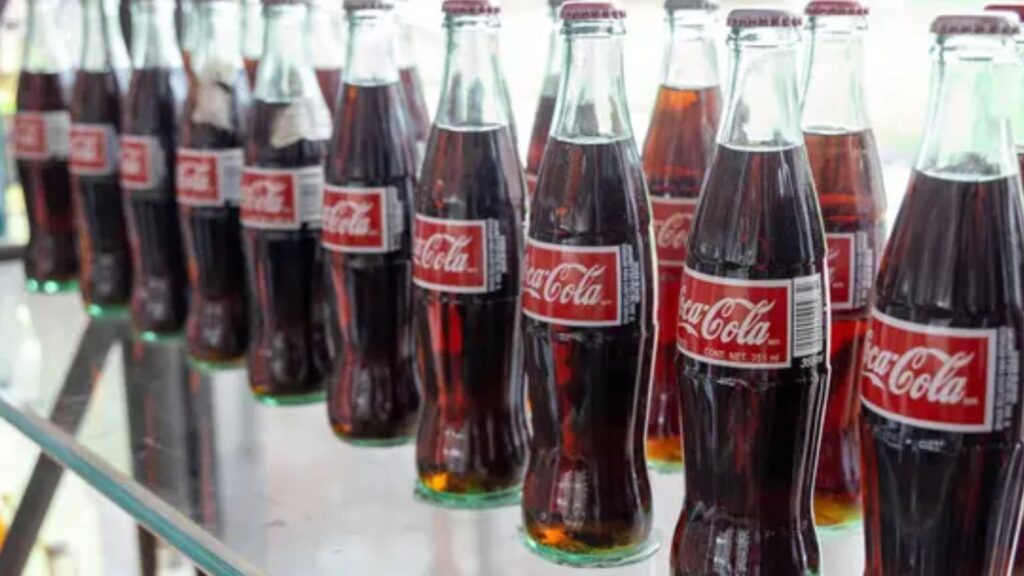
Most people would probably walk right past an old Coca-Cola bottle sitting in a garage, attic, basement, or display cabinet. To a collector, though, that dusty bottle could be much more interesting than it looks.
Coca-Cola has been around for well over a century, and its bottles have changed many times along the way. Different bottling plants, bottle makers, designs, and production periods have left behind an enormous variety of glass bottles. Most aren’t worth a lot, but a few can bring surprisingly high prices.
Age is only part of the story. Collectors also look at rarity, condition, where a bottle was made, unusual markings, and whether it represents an interesting period in Coca-Cola’s history. A bottle that seems ordinary at first glance can become much more desirable once you know what you’re looking at.
Here are some vintage Coca-Cola bottles worth checking before you toss them aside.
Hutchinson Coca-Cola Bottles
The early Hutchinson bottle is one of the most interesting Coca-Cola bottles collectors look for. These bottles date from the late 1800s and early 1900s, long before the familiar contour bottle became the company’s signature design.
They used a Hutchinson-style closure rather than the caps found on later bottles. Because these early bottles are much less common today, collectors tend to pay close attention to them.
Condition matters a great deal. Chips, cracks, heavy wear, and damaged closures can reduce a bottle’s value, while clean examples with clear markings can be much more desirable.
Related: 10 Vintage Comic Books That Sold for Eye-Watering Prices
Straight-Sided Coca-Cola Bottles
Before the famous curvy Coke bottle appeared, Coca-Cola was sold in straight-sided bottles. They may look fairly plain compared with the later contour design, but that doesn’t mean they’re uninteresting to collectors.
The city or bottling plant listed on the bottle can make a big difference. Bottles from uncommon locations, smaller communities, or bottling operations that didn’t last very long can be harder to find today.
If you come across a straight-sided Coke bottle, check the embossed lettering carefully before assuming it’s just an old soda bottle.
Early Contour Bottles
The Coca-Cola contour bottle was introduced in 1915 and eventually became one of the most recognizable beverage containers ever made. Early versions can be particularly interesting to collectors.
Look closely at the markings on the bottom and sides of the bottle. The manufacturing information, bottling location, glass characteristics, and other details can help identify when and where a bottle was made.
Not every old contour bottle is valuable, but an early or unusual example in good condition can be worth investigating.
Related: 10 Classic ’80s Items Every Vintage Lover Wants to Find
Commemorative Coca-Cola Bottles
Coca-Cola has produced special bottles for anniversaries, sporting events, celebrations, and other promotions for decades. Some were made in large quantities, while others had much smaller production runs.
The bottles tied to a particular event or period can attract collectors who specialize in Coca-Cola memorabilia. Original packaging can also make certain pieces more appealing.
If you find a commemorative bottle, don’t judge its value by age alone. The event it represents and how many were produced may matter just as much.
Bottles With Manufacturing Errors
Collectors of Coca-Cola bottles sometimes look for mistakes and oddities that slipped through the manufacturing process. These can include unusual embossing, mold problems, lettering mistakes, or other production quirks.
A mistake can turn an otherwise ordinary bottle into something much more interesting. The trick is determining whether the unusual feature is actually a factory error or simply damage that happened later.
That means it’s worth taking a close look before assuming a strange mark is worthless.
Related: 15 Vintage Electronics That Collectors Are Paying Big Money For
Rare Colors and Glass Variations
Most vintage Coca-Cola bottles have familiar greenish or clear glass, but variations do exist. Unusual colors and glass characteristics can attract attention from collectors, particularly when they’re tied to a particular manufacturer or period.
A bottle with an uncommon shade isn’t automatically valuable. Some color differences can come from the type of glass used, manufacturing conditions, or changes that happened over time.
Still, an unusual-looking bottle is worth setting aside until you’ve identified it.
Local Bottling Plant Bottles
For much of Coca-Cola’s history, independent bottlers operated in towns and cities across the country. Their bottles were often marked with the name of the local bottling company or location.
This makes local bottles especially interesting to collectors who specialize in regional Coca-Cola memorabilia. A bottle from a small town or short-lived bottling plant may be much harder to find than one from a major city.
Check the lettering carefully, including the bottom of the bottle. A local name that means little to you could be an important clue for a collector.
Before selling or throwing away an old Coke bottle, give it a closer look. Check the markings, condition, bottle style, and place of origin. What looks like an ordinary piece of old glass could turn out to be a collectible with a surprisingly interesting history.
Other Posts You Might Like
- 20 Collectibles in Your Parents’ House That Could Be Worth a Fortune
- 13 Random Items in Your Home That Could Be Worth Thousands
- From Oil Lamps to Porcelain Pigs, These Are the Strangest Things People Collect
- 13 Garage Sale Items That Collectors Actively Look For (and Pay Well For)
- 17 Everyday Items in Your Kitchen That Are Secretly Valuable