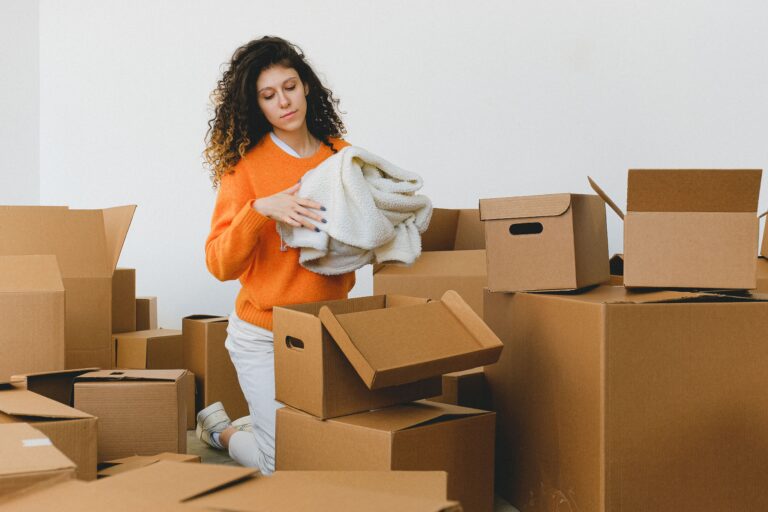
Most decluttering advice suggests taking things one small step at a time. Clear out a drawer, sort through a shelf, put a few things away, and tackle the rest when you have time. The Chaos Method takes a very different route.
Instead of working around the clutter, you pull everything out so you can see exactly what you’re dealing with. Your room may look much worse halfway through the process, but that’s part of the plan.
When everything is in front of you, it’s harder to forget about duplicate items or keep moving the same belongings from one storage spot to another. You have to decide about each thing instead of hiding it away and dealing with it another day.
It might sound like a recipe for a stressful afternoon, especially if you already feel overwhelmed by the mess. But for a closet, spare room, or storage area that’s been collecting things for years, seeing everything at once can help you finally make some progress.
What Is the Chaos Method?
The Chaos Method is a decluttering technique popularized by professional organizer Kim Jones of Lock & Key Home. Rather than sorting through a small section at a time, you empty the space and sort through everything at once.
That could mean taking every piece of clothing out of your closet, emptying all the dresser drawers, or removing everything stored in a cluttered guest room. Once it’s all out, you group similar items together and decide what deserves to go back.
The idea is that clutter becomes easier to deal with when you can see the full picture. You might discover six reusable water bottles, paperwork you haven’t looked at in years, or several boxes filled with things you forgot you owned.
Those items are much easier to overlook when they’re tucked into different drawers, cabinets, and storage bins.
Why Making a Bigger Mess Can Actually Help
Creating a giant pile in the middle of your room probably sounds like the opposite of getting organized. With this method, though, the temporary mess gives you a chance to start fresh and make decisions before anything goes back.
Instead of returning an item to the same drawer out of habit, you have to ask yourself whether you still need it. You also get a much clearer look at duplicates, such as extra candles, charging cables, notebooks, craft supplies, and clothes you rarely wear.
There’s another reason some people find this method helpful: walking away becomes harder once everything is spread across the bed or floor. You’re more likely to finish sorting because your room can’t go back to normal until you deal with the piles.
Related: 15 Decluttering Mistakes That Can Mess Up Your Home’s Organization
Start With One Manageable Space
The word “chaos” doesn’t mean you should empty your entire house at once. Taking on too much can leave you with several unfinished rooms and an even bigger mess than you started with.
Choose one area you can realistically finish, such as a closet, bathroom cabinet, dresser, pantry, home office, or guest room. If this is your first time trying the method, start small and see how much you can get done in one session.
Take Everything Out
This part may feel strange at first: take everything out of the space you’re working on. Empty the drawers, clear the shelves, open the boxes, and check what’s inside every bag and basket.
Don’t worry about arranging anything yet. The goal is to see what you’ve been storing, not to keep organizing around things you haven’t looked at in months or years.
The piles might be a little overwhelming, but you’ll finally have a clear picture of what belongs in that space. You may even find things you forgot you had.
Create Categories Before You Start Putting Things Away
Once everything is out, resist the urge to start filling the drawers and cabinets again. Sort the belongings into groups before deciding where anything should go.
Sticky notes can help keep the piles organized. Depending on the space, you might use labels such as clothing, paperwork, electronics, books, craft supplies, toys, or kitchen items.
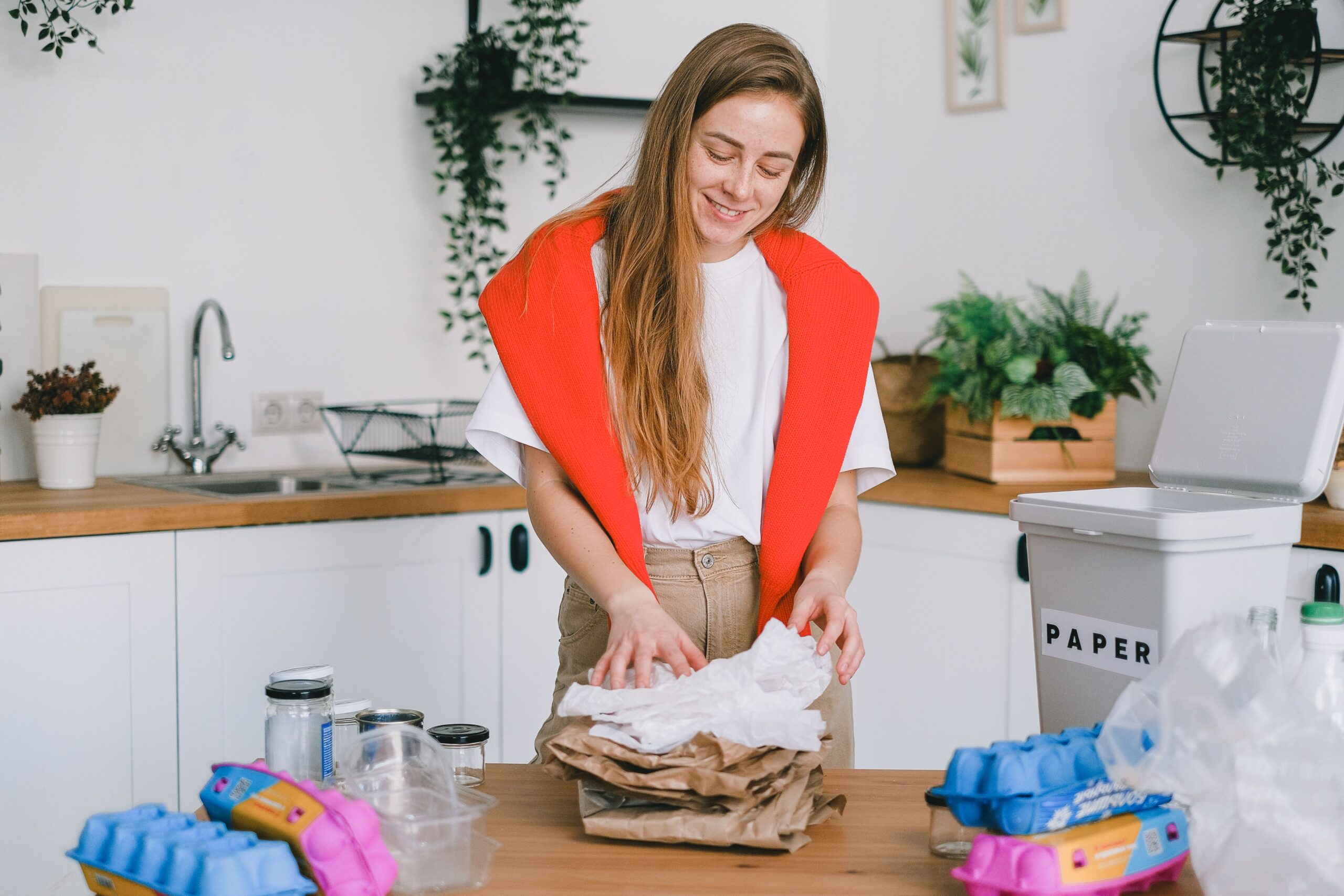
It’s also helpful to set aside separate spots for things you’re keeping, donating, selling, recycling, or throwing away. Grouping everything together makes it easier to see how much you have in each category.
Be Ruthless About the Things You Don’t Need
The method works best when you’re honest about what you actually use. Broken items, expired products, clothes that no longer fit, and things you’ve kept for years without a real reason are all worth a second look.
That doesn’t mean you have to get rid of everything you haven’t used recently. Seasonal decorations, sentimental belongings, tools, and emergency supplies may deserve a place in your home even if you rarely reach for them.
Ask yourself one simple question: If you were deciding what to bring into your home today, would you choose to keep this item? If the answer is no, it may be time to let it go.
Keep the “Maybe” Pile Small
It’s easy to create a huge pile of things you’re unsure about, especially if you’ve been holding onto belongings for a long time. Before you know it, you’ve sorted everything into categories but still have dozens of items waiting for another decision.
Give yourself room for a few difficult choices, but don’t let the maybe pile become a second storage area. Once you’ve sorted the obvious things, go back to the remaining items and ask whether they’re worth keeping.
Sometimes seeing how much you’ve already decided to keep makes it easier to let go of things you were on the fence about.
Get Donations and Trash Out Immediately
Once you’ve decided something is leaving your home, move it out of the space as soon as possible. Take trash outside, put recycling where it belongs, and place donation bags in your car or near the door.
Otherwise, those bags can sit in the hallway for weeks and eventually become another pile of clutter. If you’re planning to sell anything, set a deadline so you don’t end up storing it for months while waiting for a buyer.
Give Everything You’re Keeping a Real Home
After sorting through everything, decide where the remaining belongings should go. Start with the items you use most often and give them easy-to-reach spots, while things you rarely need can go on higher shelves or in less accessible storage.
Keep similar belongings together so you know where to look when you need something. Batteries, paperwork, craft supplies, and household tools are easier to manage when they each have a regular storage spot.
You also don’t have to fill every drawer or shelf again. Leaving some empty space makes it easier to put things away without creating another pile.
Who the Chaos Method Works Best For
This method won’t suit everyone. If seeing all your belongings spread across the floor overwhelms you, working through one drawer or shelf at a time may be a better choice.
The Chaos Method can be useful for spaces that never seem to stay organized, such as overflowing closets, garages, craft rooms, storage areas, and spare bedrooms. It’s especially helpful if you’ve spent years rearranging the same belongings without getting rid of much.
Sometimes the problem isn’t where everything is stored. It’s that you haven’t taken the time to see how much you’ve accumulated and decide what you actually want to keep.
The Mess Is Temporary
The strangest part of the Chaos Method is that the room often looks worse before it starts looking better. Halfway through, you might find yourself surrounded by piles and wondering why you thought this was a good idea.
But those piles give you a chance to sort through everything instead of hiding the clutter in another drawer or storage bin. By the time you’re finished, you should have fewer belongings to put away and a better idea of where everything belongs.
You’re no longer just moving things around to make the room look tidy for a day. You’re deciding what stays, finding a place for it, and getting rid of the things that were taking up space.
Sometimes one big mess is what finally helps you stop making the same little messes over and over again.