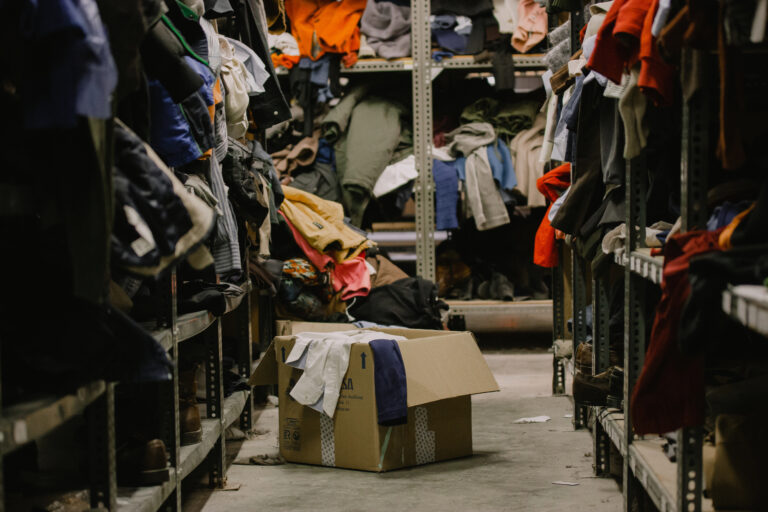
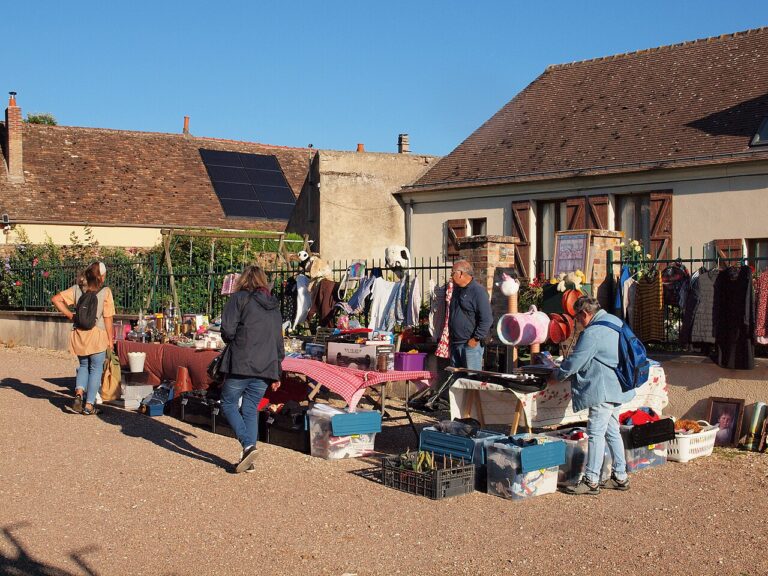
Downsizing sounds practical when people talk about it. Less clutter, less cleaning, less stuff to manage. But once you actually start opening drawers and sorting through boxes, it becomes clear pretty quickly that it’s not just about square footage. It’s about memories, people, and parts of your life tied to ordinary things.
A coffee mug from a parent. Old holiday decorations. A chair that’s been in the family forever. Some items don’t look valuable to anyone else, yet getting rid of them can feel strangely heavy.
A lot of people are moving toward smaller homes or simpler living because they want less stress, lower costs, or a home that feels easier to keep up with. Still, one of the biggest fears is regretting what gets donated or thrown away in the process.
The good news is downsizing doesn’t have to mean stripping your life down to the bare minimum or getting rid of everything meaningful. You can clear space, lighten the load, and still hold onto the things that genuinely matter to you.

Understanding Why Sentimental Items Are Hard to Let Go
Sentimental items aren’t valuable because of their size, cost, or usefulness. They matter because they hold emotion. A chair where bedtime stories were read. A dish used every holiday. A box of handwritten notes that proves love once lived loudly.
When you downsize, you’re not just choosing what fits; you’re choosing what represents your life so far. Recognizing this emotional weight is the first step to making thoughtful decisions rather than rushed ones.
Identify What Truly Holds Meaning
Not every old item carries the same emotional gravity. Some things feel important simply because they’ve been around for a long time. Others instantly transport you back to a moment, a person, or a feeling.
As you go through your belongings, ask yourself:
- Does this remind me of a specific memory or person?
- Would I feel genuine loss if it were gone?
- Does this item still reflect who I am now?
You don’t have to keep everything to honor your past. You only need to keep what still speaks to you.
Keep the Memory, Not Always the Object
One of the most powerful shifts during downsizing is realizing that memories don’t live inside things; they live inside you. Photograph children’s artwork before letting it go. Write down the story behind an heirloom you can’t keep. Save a single meaningful piece from a larger collection.
By intentionally preserving the memory, you free yourself from having to hold onto every physical reminder of it.
Be Selective With “Someday” Items
Attics, basements, and spare rooms often act as emotional waiting rooms for items we’re not ready to decide on. Downsizing brings those decisions forward.
Instead of keeping items out of guilt or fear, choose the best representation of that chapter. One box of keepsakes, clearly defined and lovingly curated, can be far more meaningful than multiple boxes you never open.
Reimagine How Sentimental Items Are Displayed
Smaller spaces don’t mean sentimental items disappear; they need new roles. A framed note, a shadow box, a single bookshelf with your favorite titles, or a small display shelf can honor memories without overwhelming your space.
When sentimental items are intentionally displayed, they become part of your everyday life rather than stored away in silence.
Let Go Gradually, Not All at Once
Downsizing doesn’t have to be emotionally abrupt. Permit yourself to let go in stages. Some items feel impossible to release until others are gone first. That’s normal.
Take breaks when decisions feel heavy. Downsizing is not a test of strength; it’s a practice of patience and self-respect.
Accept That Grief Can Be Part of Downsizing
Even when downsizing is the right decision, it can still be sad. Letting go of items tied to children growing up, changing relationships, or ending phases can stir quiet grief.
Feeling emotional doesn’t mean you’re making the wrong choice. It means you lived fully enough to have something worth remembering.
Choose a Home That Supports Your Sentimental Priorities
Before moving, think about how your next space can support what matters most to you. Is there a wall for photos? A nook for books? A corner for a favorite chair?
Downsizing works best when your new space feels like a continuation of your story, not a blank slate you’re forced to fill.
Create New Memories in Your New Space
The goal of downsizing isn’t to live smaller, it’s to live lighter. By carefully choosing what you keep, you make room for new routines, new joys, and new memories that don’t compete with clutter for attention.
Sentimental items should comfort you, not weigh you down. When chosen with intention, they become reminders of where you’ve been while leaving space for where you’re going.