Getting prepared for emergencies doesn’t have to mean spending thousands of dollars on survival gear or filling an entire room with supplies. For most people, prepping is simply about making smart choices, building useful habits, and adding to their supplies little by little.
The best part is that many of the most valuable prepping habits also help you save money every day. Growing your own food, wasting less, learning practical skills, and making the most of what you already own can leave you better prepared without stretching your budget.
If you’re looking for affordable ways to become more self-reliant, these frugal prepping ideas are a great place to begin.

Grow Some of Your Own Food
You don’t need a large garden to grow food. A few pots of herbs on the patio, a raised bed of vegetables, or several tomato plants can provide fresh produce throughout the growing season while cutting down on grocery bills.
If you have the space, adding fruit trees, berry bushes, or perennial herbs is a smart investment. Once established, they can produce food for years with very little extra cost.
Save Seeds From Your Garden
Buying seeds every spring can get expensive. Saving seeds from healthy plants lets you grow many of your favorite vegetables again the following season without spending more money.
Beans, lettuce, peppers, peas, and many tomato varieties are good crops for beginners. Before long, you’ll have your own seed collection ready for next year’s garden.
Turn Kitchen Scraps Into Compost
Compost is one of the easiest ways to improve your garden without buying bags of fertilizer. Fruit and vegetable scraps, coffee grounds, leaves, grass clippings, and shredded cardboard all break down into nutrient-rich compost that helps plants thrive.
Instead of sending those materials to the trash, you can turn them into something that benefits your garden season after season.
Preserve Food Before It Goes Bad
Learning to preserve food helps you make the most of sales, garden harvests, and seasonal produce. Freezing, canning, dehydrating, and fermenting all extend the life of food and help keep your pantry stocked.
Buying fruits and vegetables while they’re plentiful and preserving the extras can save a surprising amount of money over the course of a year.
Trade With Friends and Neighbors
You don’t have to do everything yourself. Trading with neighbors can help everyone stretch their resources.
Extra vegetables, fresh eggs, homemade bread, firewood, seedlings, or repair work all have value. Sharing skills and supplies builds stronger communities while saving everyone money.
Buy Pantry Staples in Bulk
Buying larger quantities of foods your family already eats can lower your grocery bill over time. Rice, beans, oats, flour, sugar, salt, pasta, and other shelf-stable foods often cost less per serving when purchased in bulk.
Only buy what you have room to store and know you’ll use. Saving money doesn’t help if food ends up being thrown away.
Find New Uses for Things You Already Own
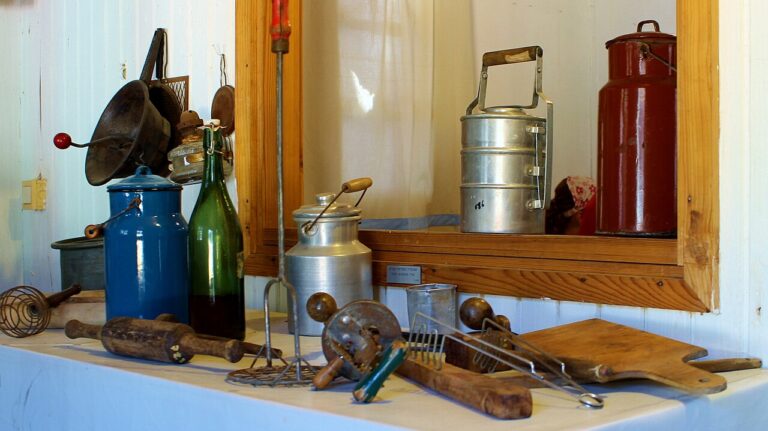
One of the easiest ways to prep on a budget is to stop looking at household items as trash. Glass jars become food storage, old towels become cleaning rags, worn clothing becomes quilt material, and scrap wood can be turned into useful projects around the yard.
Before buying something new, take a look around and see if you already have something that can do the job.
Make Your Own Household Cleaners
Many everyday cleaning jobs can be handled with a few inexpensive ingredients. Vinegar, baking soda, dish soap, and hot water work well for cleaning many areas of the home without filling your cabinets with specialty products.
Making your own cleaners also means fewer supplies to replace throughout the year.
Cut Back on Energy Costs
Preparing for emergencies also means lowering your dependence on expensive utilities whenever possible.
Simple habits like hanging clothes outside to dry, sealing drafts around doors and windows, using blackout curtains, switching to LED bulbs, and keeping extra blankets nearby can lower monthly bills while making your home more comfortable during power outages.
Collect Rainwater for Outdoor Use
A rain barrel can provide free water for gardens, flower beds, and other outdoor chores. Instead of letting rainwater run off your roof, you can collect it for later use during dry weather.
For gardeners, this is an easy way to conserve water while lowering utility costs.
Learn Safe Foraging
Wild berries, edible greens, nuts, and mushrooms can supplement your food supply if you know exactly what you’re gathering.
Start slowly and learn from experienced foragers, trusted guidebooks, or local classes. Never eat a wild plant unless you’re completely certain you’ve identified it correctly.
Build Practical DIY Skills
Learning to repair things yourself is one of the best ways to save money while becoming more self-reliant.
Simple skills like sewing on a button, sharpening tools, repairing a fence, unclogging a drain, or fixing small household problems can prevent expensive repair bills and make everyday life a little easier.
Raise Animals That Serve More Than One Purpose
If you have enough land, livestock can provide steady value for your household. Chickens offer eggs and meat, while their manure can improve your compost. Goats may provide milk while also helping clear brush.
Choosing animals that meet several needs helps you get more from the time and money you invest in caring for them.
Grow Useful Herbs
Herbs are some of the easiest plants to grow, even in small spaces. Mint, thyme, oregano, rosemary, chamomile, lavender, and lemon balm can all be used in the kitchen, brewed into teas, or included in simple homemade products.
A small herb garden doesn’t require much space, yet it can provide fresh ingredients for much of the year while reducing trips to the grocery store.