Most of us don’t think twice about mailing a package. If it fits in a box and has enough postage, it should be good to go, right? Not always.
The U.S. Postal Service handles millions of packages every day, and some items come with strict mailing rules for safety reasons. What catches many people off guard is that some of those items are things you probably have sitting around the house right now.
A can of spray paint in the garage, spare batteries in a drawer, or certain products in your bathroom cabinet may require special packaging, limited shipping methods, or may not be allowed in the mail at all. Ignoring those rules can lead to delayed shipments, rejected packages, or even fines.
Before sealing up your next box, it’s worth knowing which everyday items have mailing restrictions. Here are some common things that can’t always be dropped in the mail as easily as you might think.
Air Bags
Car airbags contain explosive chemicals designed to deploy instantly during a crash. Because of that explosive component, they’re classified as hazardous materials. Mailing airbags through USPS is prohibited unless handled by a certified hazardous-material carrier in accordance with strict federal guidelines.
Gasoline
Gasoline is highly flammable and volatile. Even empty containers that once held fuel can contain vapors that pose serious fire risks. It is illegal to mail gasoline by air or ground through USPS.
Marijuana
Even though marijuana is legal in many states, it remains illegal at the federal level. Because USPS operates under federal law, mailing marijuana is prohibited and can result in serious criminal charges.
Aerosols
Spray paints, deodorants, and many household cleaners are pressurized and often flammable. Some aerosol products may be mailed domestically by ground in limited quantities if properly labeled, but many are restricted, and most are prohibited from air transport.
Alcoholic Beverages
You can’t legally mail beer, wine, or spirits through USPS unless you are a licensed and authorized shipper and you meet very specific exceptions. Regular consumers cannot simply package a bottle of wine and ship it through the mail.
Cigarettes and Tobacco
Mailing cigarettes and smokeless tobacco products is heavily restricted, with only limited exceptions for regulatory purposes. Violating tobacco mailing laws can result in substantial penalties.
Dry Ice
Dry ice is allowed only under strict packaging rules because it releases carbon dioxide gas as it sublimates. It must be clearly labeled and properly ventilated, and it’s generally restricted to domestic surface transportation.
Lithium Batteries
Lithium batteries power our phones, laptops, and tools, but they also pose fire risks if damaged or improperly packaged. While some small batteries can be mailed domestically under guidelines, damaged or defective batteries are often prohibited, especially by air.
Hand Sanitizer
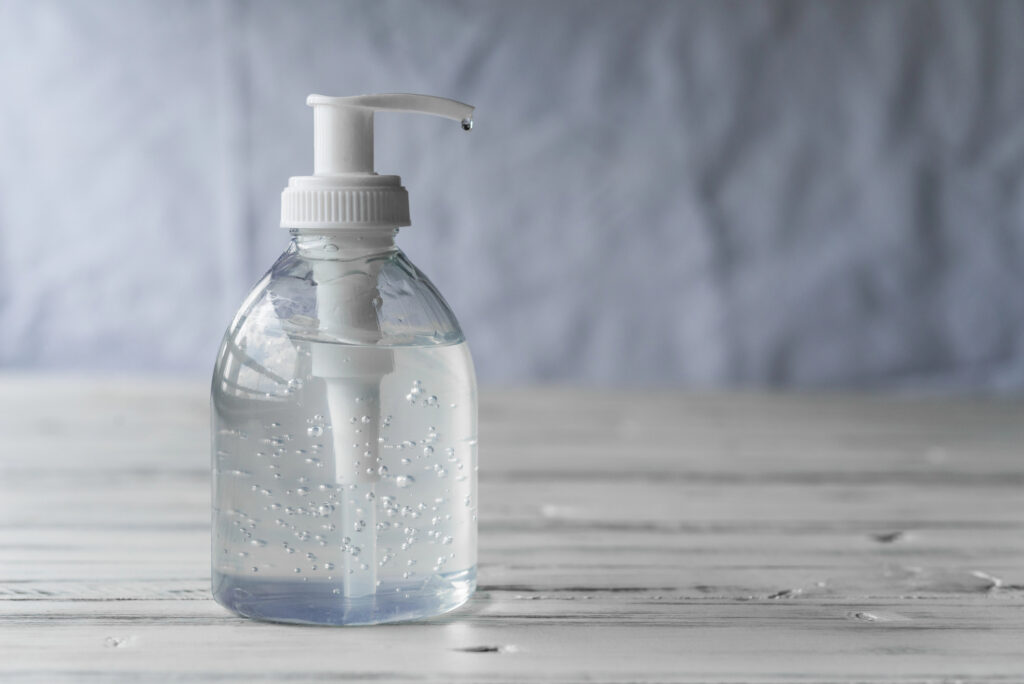
Hand sanitizer contains high levels of alcohol, which makes it flammable. Because of this, it can only be sent by ground transport and must meet hazardous-material packaging standards.
Perfumes and Nail Polish
Both commonly contain flammable ingredients. Alcohol-based perfumes and many nail polishes are considered hazardous and are restricted to domestic ground shipment only, if permitted at all.
Paint and Adhesives
Flammable paints, thinners, and strong adhesives are tightly regulated due to fire risk. Some water-based paints may qualify for mailing, but oil-based and solvent-heavy products often cannot be sent through standard mail services.
Firearms
Firearms are highly regulated. While certain licensed dealers may legally ship specific types of firearms under federal law, mailing handguns is generally prohibited except under narrow circumstances.
Live Animals
Some small animals, such as bees or certain poultry, may be mailed under specific conditions. However, mailing warm-blooded pets is not permitted through USPS.
Matches
Strike-anywhere matches are strictly prohibited. Safety matches may be mailed domestically by ground transport only and must meet hazardous-material regulations.
Prescription Medications
Individuals generally cannot mail controlled substances. Prescription drugs may only be mailed by authorized, licensed entities in compliance with federal regulations.