For a long time, weed killers seemed like the easiest way to deal with weeds in the garden. A quick spray promised to wipe them out and keep garden beds looking tidy. But over time, many gardeners look for other options, especially when they realize that those products can affect the soil, beneficial insects, pets, and the surrounding environment.
Weeds will always find a way to appear. They pop up between vegetables, sneak into flower beds, and spread across garden paths if they’re left unchecked. But getting rid of them doesn’t have to involve harsh chemicals.
Instead of reaching for store-bought weed killers, many gardeners rely on simple, natural methods that keep weeds under control while also supporting healthier soil and a more balanced garden. Here are some of the strategies that work surprisingly well.
Grow Ground Covers
One of the easiest ways to prevent weeds is by filling empty spaces with plants that naturally spread and cover the soil.
Low-growing plants such as creeping thyme, clover, bugleweed, and sweet woodruff act as living mulch. They shade the soil, making it much harder for weeds to take hold while also attracting beneficial insects to the garden.
Pull Weeds by Hand
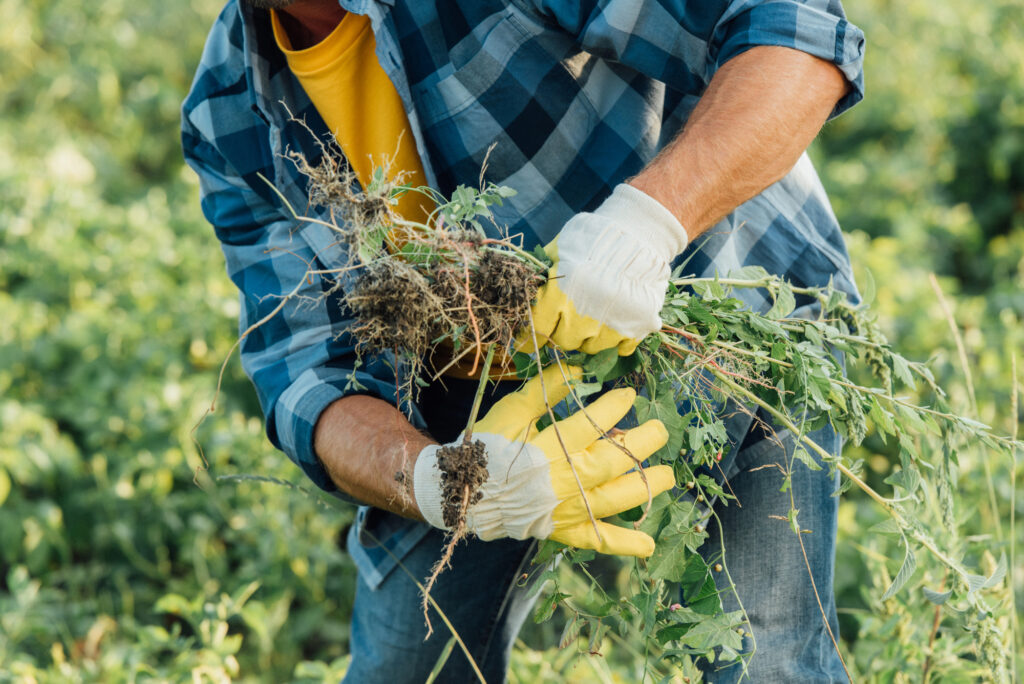
It may seem basic, but hand-pulling weeds is still one of the most effective methods. Using gloves and a small garden tool to loosen the soil makes it easier to remove the entire plant. Pulling weeds regularly prevents them from spreading seeds and taking over garden beds.
Remove the Entire Root
Weeds tend to come back if even a small piece of the root is left behind. When pulling stubborn weeds, it helps to dig slightly beneath the plant to remove the full root system. Taking a little extra time at the beginning can prevent the same weed from returning.
Weed After Rain
Weeding becomes much easier after a good rainstorm. Soft soil allows roots to slide out more easily, making it simpler to remove weeds completely. It’s also easier to spot small weeds before they become established.
Related: 12 Ways to Find Free, Clean Dirt to Fill Your Raised Garden Bed
Use Vinegar
Vinegar can be a simple, natural weed control for cracks in driveways, paths, or areas where plants aren’t growing.
Because of its acetic acid content, vinegar can dry out weeds and damage their leaves. It’s best used carefully and directly on the weeds themselves to avoid harming nearby plants.
Pour Boiling Water
Boiling water is another surprisingly effective option for weeds growing in unwanted places, such as sidewalks, gravel paths, or between patio stones.
The hot water damages the plant’s cells and causes it to wilt quickly. It’s especially helpful for small patches of weeds.
Use Salt Carefully
Salt can also dry out and kill weeds when applied directly to the plant.
However, it should be used sparingly and kept away from garden soil, as too much salt can harm nearby plants and affect soil quality.
Try Baking Soda
Baking soda can help dry out weeds, particularly those growing in cracks or on hard surfaces.
Sprinkling it directly on the plant or applying it to damp soil allows it to absorb into the leaves and roots, gradually weakening the weed.
Add Mulch
Mulch is one of the most effective long-term solutions for controlling weeds.
A thick layer of organic mulch blocks sunlight from reaching weed seeds, making it much harder for them to sprout. Mulch also improves soil health as it breaks down over time.
Use Cardboard or Newspaper
Covering weedy areas with cardboard or layers of newspaper is a simple trick many gardeners swear by.
Once covered with mulch, the paper blocks sunlight and smothers existing weeds. Over time, the material breaks down and enriches the soil beneath it.
Try a Rubbing Alcohol Spray
A diluted rubbing alcohol solution can dry out weed leaves when sprayed directly on them.
The alcohol pulls moisture from the plant, weakening it. This method works best when used carefully and directly on the weeds.
Use Cornmeal as a Suppressant
Cornmeal can help prevent weed seeds from sprouting in garden beds. While it won’t kill existing weeds, it can reduce new weeds from germinating when sprinkled on the soil early in the season.
Plant Densely
When plants grow close together, there’s simply less space for weeds to grow. A full, healthy garden naturally shades the soil and outcompetes weeds for sunlight and nutrients.
Hoe Small Weeds Early
Using a hoe to cut weeds just below the soil surface can be a quick way to keep them under control.
This works especially well for small annual weeds. Hoeing on dry days allows the uprooted weeds to dry out quickly.
Use Landscape Fabric
Landscape fabric can help prevent weeds from growing in certain areas, especially around shrubs, pathways, or decorative beds.
When covered with mulch or stones, it blocks sunlight and prevents many weeds from sprouting.
Stay Consistent
One of the most effective ways to control weeds naturally is simply staying on top of them. Weeds grow quickly when ignored, but a few minutes of regular attention can keep them from getting out of hand.
Other Topics You Might Like
- If a neighbor’s tree falls on your home in California, who is responsible?
- Need to Block a Neighbor’s View of Your Yard? Here’s How to Do It Without Starting a War
- If a fence falls between neighbors in California, who is responsible for repairs?
- If You Spot These Vintage Garden Peices at a Garage Sale, Grab Them Fast