You can scrub the bathroom, wipe down the kitchen counters, and vacuum every floor, yet still miss some of your home’s dirtiest spots. Surfaces that collect moisture, food residue, skin oils, and frequent hand contact can hold germs long after the more obvious messes are gone.
Here are 10 commonly overlooked spots to add to your regular cleaning routine, plus a few tips to keep them clean.
Kitchen Counters
Kitchen counters come into contact with grocery bags, food packaging, cutting boards, and hands throughout the day. Wash them with an appropriate cleaner after food prep, and use a food-safe disinfectant as directed on the label when needed, especially after handling raw meat.
Related: 14 Everyday Items You Should Never Keep on Your Kitchen Counter
Dish Sponges
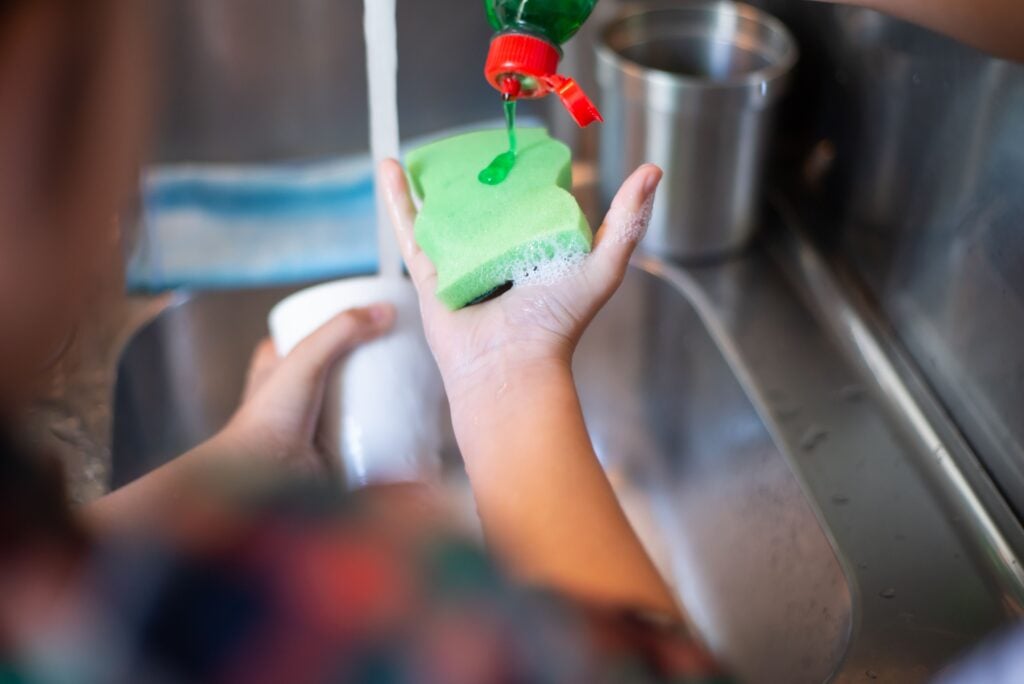
Dish sponges stay damp and collect food particles, creating conditions where bacteria can grow. Replace worn or smelly sponges regularly, follow the manufacturer’s sanitizing directions, or switch to washable dishcloths you can launder often.
Kitchen Sink
Food scraps, dirty dishes, and standing water can leave the kitchen sink coated with grime and microorganisms. Wash the basin, faucet, and drain area regularly with a suitable cleaner, and disinfect after handling raw meat or other foods that could spread harmful bacteria.
Related: 10 Things You Touch Every Day That Can Harbor Germs
Cutting Boards
Knife marks on cutting boards can trap food residue, especially after cutting raw meat, poultry, or seafood. Wash boards thoroughly with hot, soapy water after each use, keep separate boards for raw animal products and ready-to-eat foods, and replace boards with deep grooves that are difficult to clean.
Coffee Maker Reservoir
The water reservoir in your coffee maker can develop mineral deposits and buildup if you don’t clean it regularly. Empty leftover water, wash removable parts as directed in the manual, and run the manufacturer’s recommended descaling cycle rather than assuming vinegar is safe for every machine.
Related: 15 Incredible Ways to Repurpose Used Coffee Grounds
Stove Knobs
Stove knobs are touched repeatedly during meal preparation, sometimes with hands that have handled raw ingredients or greasy foods. Wipe them down regularly with a cleaner suitable for your appliance, and remove the knobs for a deeper wash only if the manufacturer’s instructions allow it.
Faucet Handles
Kitchen and bathroom faucet handles can collect germs because people often touch them before washing their hands. Clean them regularly with a suitable household cleaner, and pay attention to the base and crevices where grime and moisture can collect.
Related: How to Install a Kitchen Sink Faucet Without a Plumber
Remote Controls
TV remotes pass between family members all day, yet their buttons and narrow gaps are easy to overlook when cleaning. Check the manufacturer’s instructions, then wipe the surface with a compatible disinfecting wipe or a lightly dampened cloth while keeping moisture away from the buttons and battery compartment.
Garbage Cans
Leaking bags and food scraps can leave residue inside a garbage can, even with liners. Wash the bin with soap and water whenever it gets dirty, dry it thoroughly, and use an appropriate disinfectant if needed, according to the label.
Toothbrush Holders
Toothbrush holders can collect drips, toothpaste residue, and dust, particularly around the bottom where moisture tends to gather. Empty and wash the holder regularly with soap and water, then let it dry fully before putting the toothbrushes back.