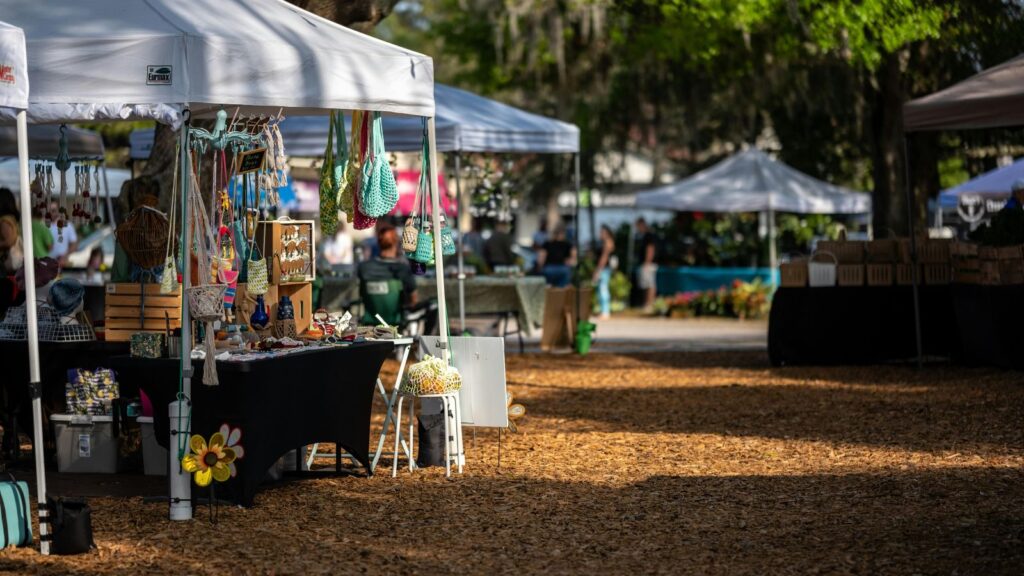
Flea markets are one of my favorite places to hunt for a bargain. You can find old kitchen pieces, solid wood furniture, vintage décor, and plenty of other treasures for a fraction of what similar items might cost new. Half the fun is never knowing what you’ll find.
Still, a low price doesn’t automatically make something a good buy. Some secondhand items can come with hygiene concerns, hidden damage, safety issues, or repair costs that wipe out the savings. After enough flea market trips, I’ve learned there are a few things I would rather leave behind, no matter how tempting the price might be.
Here are 10 items I usually skip.
Untested Appliances
That old blender, toaster, or coffee maker might look like a great find sitting on a vendor’s table. The problem is that you often have no idea whether it actually works.
If there’s no way to plug in and test an appliance before buying it, you’re taking a gamble. A cracked cord, faulty motor, damaged heating element, or other electrical problem may not be obvious during a quick inspection.
A cheap appliance isn’t much of a bargain if it stops working as soon as you get home.
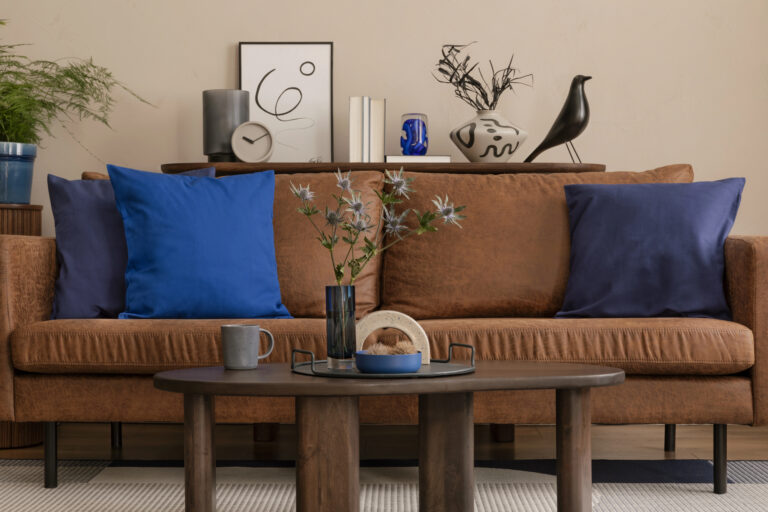
Upholstered Furniture
A vintage chair or flea market sofa can look surprisingly good after a quick glance. Upholstered furniture is one area where I’m much more cautious.
Fabric and cushions can hold onto odors, pet dander, dust, stains, and allergens. There can also be pests hiding in places you can’t see. Professional cleaning may help with some problems, but the cost can quickly eat into your savings.
Related: Bedroom furniture thrift stores can no longer accept
Rugs
A used rug can look clean on the surface while holding years of dust, dirt, moisture, and odors underneath. Older rugs may also have stains or damage that aren’t obvious until you get them home.
If the rug needs professional cleaning or repairs, you could end up spending more than you planned. Unless I’m confident about its condition and know I can clean it properly, I usually keep walking.
Pillows
Pillows are one of those household items I prefer to buy new. They collect sweat, body oils, dust, and allergens over time, and you can’t really tell their entire history by looking at them.
There are plenty of inexpensive new pillows available, so buying one secondhand rarely feels worth the trade-off.
Mattresses
A mattress is something you’ll use every night, so this isn’t where I’d try to save a few dollars.
With a used mattress, you can’t reliably know how it was treated or stored. There could be hidden moisture damage, mold, bed bugs, worn springs, or other problems that aren’t visible during a quick inspection.
A mattress can also lose its support over time, even if it still looks perfectly fine.
Related: The Best Mattress for Airbnb Guests under $500
Cribs
A crib may look sturdy and well cared for, but older models might not meet current safety requirements. Hardware could also be missing, damaged, or replaced with parts that don’t belong with the original model.
There may also be recalls you don’t know about. Since a crib is directly related to a baby’s safety, I’d rather buy one from a source where I can verify its model, condition, and safety information.
Related: 15 Best Places to Sell Used Clothes Online
Car Seats
A secondhand car seat can look almost brand new and still have a history you can’t verify. You may not know whether it has been involved in a crash, stored in extreme conditions, or cared for according to the manufacturer’s instructions.
Car seats can also have expiration dates and recalls that aren’t obvious from a quick inspection.
Since this is another item where safety matters more than getting a bargain, I’d rather purchase one new and know its history.
Swimwear and Underwear
Some things just aren’t worth buying secondhand, and swimwear and underwear fall into that category for me.
These items have direct contact with the body, and there’s no real way to know how they’ve been worn or cared for. Since new options are widely available at reasonable prices, I’d rather spend a little more and buy them new.
Non-Stick Cookware
A non-stick pan can look perfectly usable until you get it under better lighting and notice scratches, chips, or worn areas on the coating.
Once a non-stick surface has been heavily scratched or damaged, I don’t think a flea market price is enough to make it worth bringing home. There are plenty of other types of cookware that are easier to inspect and can make better secondhand purchases.
Related: Your Nonstick Pan Is Scratched — Is It Still Safe to Cook With? Experts Explain the Risks
Stuffed Animals
That cute stuffed bear or vintage plush toy can be hard to resist, especially if it reminds you of something from childhood. Still, stuffed animals can hold onto dust, allergens, odors, and years of grime.
The problem is that you can’t always tell how thoroughly a plush toy can be cleaned until you get it home. Some have delicate fabrics, glued-on details, or stuffing that doesn’t handle washing well.
If I find one that can be safely cleaned and is truly special, I might make an exception. For an ordinary stuffed animal, though, I’d usually leave it at the flea market.
Flea markets are still great places to shop for secondhand goods. I just tend to be more selective about what comes home with me. Furniture made from solid wood, decorative pieces, dishes in good condition, tools, and other durable items can be terrific finds. The trick is knowing which bargains are worth the risk and which ones are better left behind.