It’s easy to justify keeping something by saying, “The kids might want this someday.” Furniture gets pushed into the basement, boxes of dishes stay tucked away, and entire collections survive another round of decluttering because throwing them out feels wasteful.
But eventually, someone has to deal with it all. After helping a parent downsize and seeing just how much can accumulate over the years, one thing becomes obvious: what feels useful, valuable, or sentimental to one generation may simply feel like more stuff to the next.
That doesn’t mean getting rid of every family possession. It means being more selective about what is genuinely worth saving and what might be better sold, donated, or given to someone who wants it now.
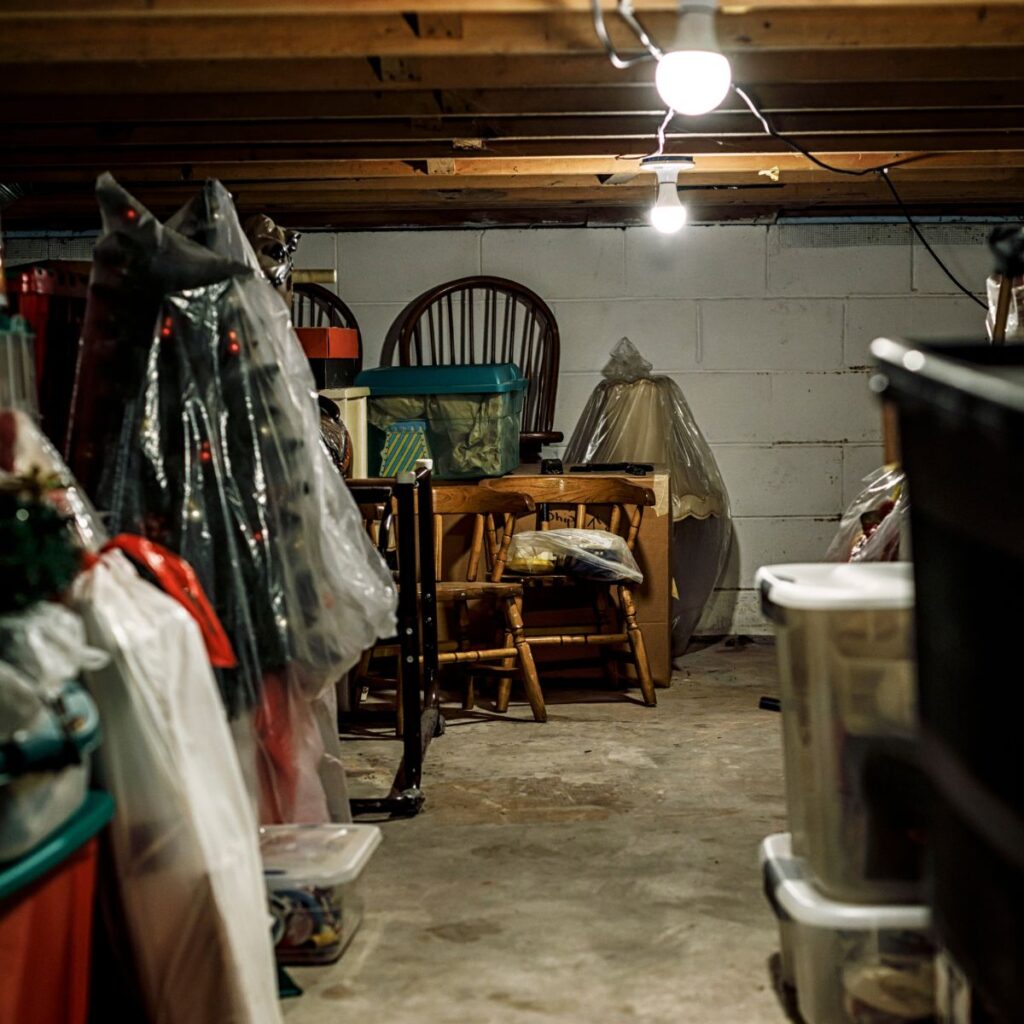
Large Furniture
That dining set, china cabinet, oversized dresser, or formal living room furniture may have been expensive and well cared for, but that doesn’t guarantee your children will have room for it. Homes, decorating styles, and lifestyles change, and large furniture is particularly difficult to store when nobody has an immediate use for it.
Boxes of Everyday Dishes
A few meaningful pieces of family china may be worth passing down, but multiple boxes of everyday dishes, glasses, serving platters, and mismatched kitchenware are another story. Most adult children already have stocked kitchens, so saving an entire household’s worth of dishes for them can create more work than value.
Old Electronics and Mystery Cords
Drawers filled with old phones, chargers, remotes, cables, cameras, and outdated electronics have a way of surviving every decluttering session. Unless something is collectible or still genuinely useful, your children probably won’t want to spend their time figuring out what every unidentified cord belongs to.
Your Entire Collection
Collections can become incredibly meaningful to the person who spent decades building them. Plates, figurines, dolls, mugs, coins, memorabilia, and other collectibles don’t automatically carry that same emotional attachment or value for the next generation.
If there’s a collection you care deeply about, ask your children which pieces they actually want rather than assuming they’ll eventually take everything.
Duplicate Kitchen Gadgets
Extra mixing bowls, utensils, pans, small appliances, and kitchen gadgets can accumulate surprisingly quickly. Keeping three of something because one of your children might need it someday makes little sense when the item is inexpensive, easy to replace, and currently taking up valuable storage space.
Old Magazines and Newspapers
A newspaper documenting an important historical event can be worth saving, but stacks of ordinary magazines and newspapers are unlikely to become treasured family heirlooms. Paper also takes up considerable space, so keeping a few genuinely meaningful examples makes more sense than saving entire boxes.
Clothes You’ve Been Saving for Years
Clothing is deeply personal, and there’s no guarantee your children will share your size, style, or desire to wear something decades from now. A special wedding dress, handmade garment, or truly exceptional vintage piece is different, but boxes of ordinary clothing probably don’t need to be stored indefinitely.
Holiday Decorations
Holiday decorations can carry some of the strongest family memories, which makes them particularly difficult to declutter. But your children may eventually want a few ornaments they remember hanging on the tree rather than 15 bins containing every decoration you’ve accumulated.
Consider saving the pieces with an actual story attached to them and letting go of the generic decorations that could easily be replaced.
Books No One Has Asked For
Books can feel almost wrong to get rid of, especially when you’ve spent years building a collection. But unless your children are interested in particular titles, authors, or family books, several shelves of paperbacks and old reference books may eventually become something they have to sort, donate, or sell.
A small collection of favorites, signed editions, family cookbooks, or books with personal inscriptions may be far more meaningful than keeping everything.
Things That Are Sentimental Only to You
This may be the hardest category of all. Your children’s childhood toys, school projects, old clothing, cards, souvenirs, and other keepsakes can hold enormous memories for you without carrying the same significance for them.
That doesn’t mean you shouldn’t keep sentimental things you love. Keep them because you want them, rather than storing boxes under the assumption that your children will eventually want them.
There is also an important difference between clutter and something genuinely worth preserving. Old jewelry, quality furniture, vintage kitchenware, photographs, vinyl records, toys, and other older belongings can sometimes have sentimental or resale value, so decluttering shouldn’t automatically mean throwing everything away.
A better question to ask is: If my kids had to go through this tomorrow, would they be excited that I saved it—or would they wonder why I kept it?
Sometimes the kindest thing you can pass down isn’t another box of belongings. It’s fewer boxes for someone else to sort through later.