Before appliances fully break down, they usually give small warning signs. A refrigerator runs a little warmer. The dryer takes longer than usual. The dishwasher isn’t cleaning as well.
Before you schedule a service appointment and pay for a visit, it’s worth checking a few simple things. Many common appliance problems have easy fixes you can handle yourself in just a few minutes.
Here are practical troubleshooting steps to try first.
Refrigerator Not Cooling
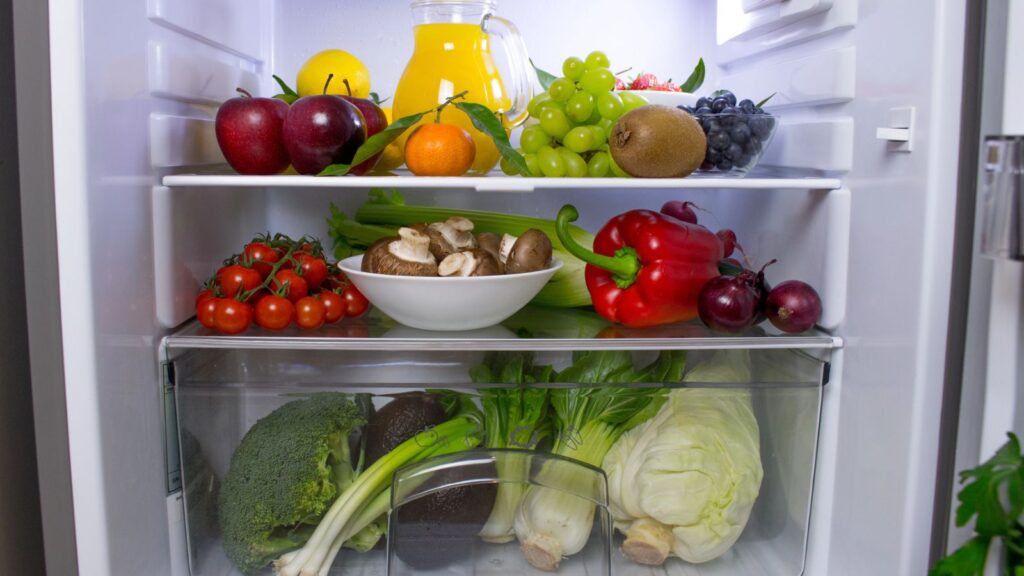
If your refrigerator isn’t maintaining the right temperature, clogged condenser coils are often the reason. When coils are covered in dust and pet hair, airflow is restricted, and the unit has to work harder.
Unplug the fridge and vacuum the coils (typically located behind or underneath). Also, check that the temperature is set between 35–38°F and inspect the door seals for cracks or gaps that could let cold air escape.
These Items Should Never Go in the Freezer
Oven Not Heating Properly
An oven that won’t heat or heats unevenly may have a faulty heating element. Look for visible cracks, blistering, or burn marks.
If the element appears damaged, it’s usually a simple replacement. Also, confirm the oven has fully preheated and that the thermostat setting hasn’t been accidentally adjusted.
Dishwasher Leaving Dishes Dirty
If dishes come out cloudy or still dirty, clogged spray arms or a dirty filter may be the issue.
Remove and rinse the filter, and check the spray arms for food debris blocking the holes. Make sure your hot water is reaching at least 120°F and that you’re using the correct detergent for your machine.
Washing Machine Won’t Spin
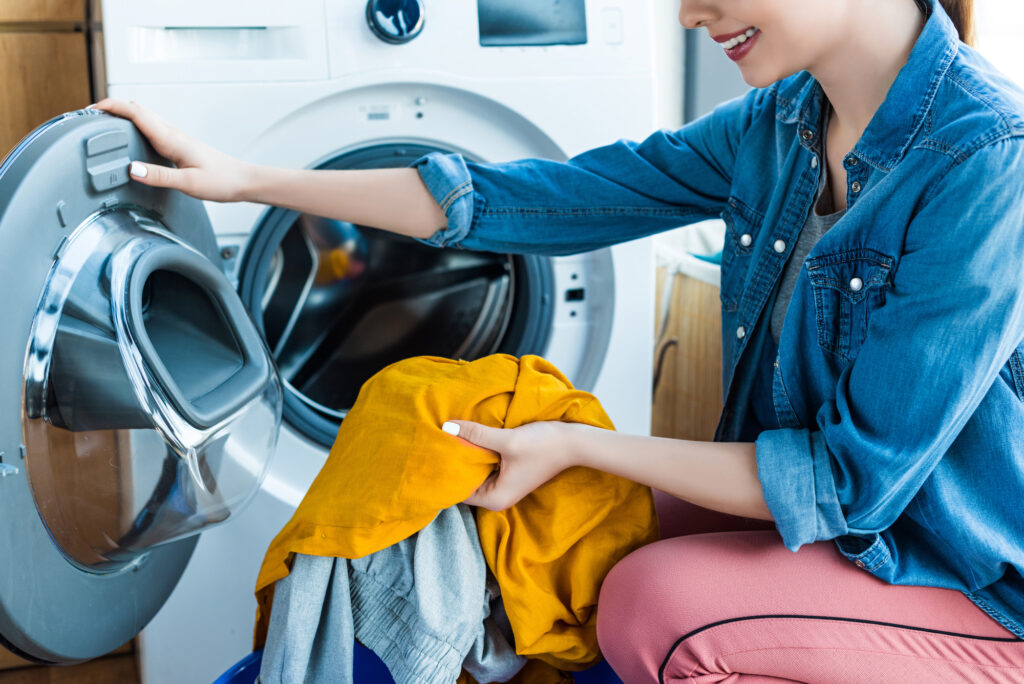
If the washer runs but won’t spin, the load may be unbalanced. Heavy towels or blankets can shift to one side, stopping the cycle.
Pause the washer and redistribute items evenly. If the problem continues, inspect the drive belt for wear or looseness.
Common Household Items You Should Never Put in Your Washing Machine
Dryer Not Drying Clothes
A dryer that runs but leaves clothes damp often has restricted airflow.
Clean the lint trap thoroughly and check the vent hose for clogs or bends. Poor airflow reduces efficiency and can become a fire hazard over time.
Stove Burner Won’t Ignite
Gas burners commonly fail to light because grease or food debris clogs the ports.
Turn off the stove, then gently clean the burner holes with a soft brush or a toothpick. Make sure the burner cap is properly positioned and that the igniter clicks when activated.
Microwave Turns On but Doesn’t Heat
If your microwave runs but doesn’t heat, first check that the door closes completely. A faulty door switch can prevent the heating from working.
If the door is secure and the problem persists, it may involve the magnetron; at that point, professional repair is usually needed.
Air Conditioner Not Cooling
If your AC isn’t cooling properly, start with the basics. Check the thermostat setting and replace or clean the air filter.
Also, make sure vents aren’t blocked by furniture and that airflow isn’t restricted by dust buildup.
Garbage Disposal Jammed
If your disposal suddenly stops, switch off the power first.
Press the reset button located underneath the unit. If needed, use a hex key in the bottom slot to manually rotate the flywheel and free the jam. Never put your hand inside the disposal.
7 Quick and Easy Ways to Unclog a Garbage Disposal
Water Heater Not Producing Hot Water
For gas models, check that the pilot light is on. For electric models, inspect the breaker.
If water temperature is inconsistent, sediment buildup in the tank could be reducing efficiency. Flushing the tank can often solve the problem.
Vacuum Cleaner Losing Suction
Weak suction usually indicates a full bin, a clogged hose, or a dirty filter. Empty the dust container, check for blockages, and clean or replace the filter to restore performance.
Ice Maker Not Making Ice
If your ice maker stops working, check for a frozen or kinked water supply line. Make sure the freezer is set to around 0°F and confirm that the water supply valve is fully open.
Other Posts You Might Like
- How to Clean a Couch with a Steam Cleaner
- This Is What People With Clean, Organized Homes Do Differently
- 12 Hidden Habits of People Who Always Have An Immaculately Clean and Organized Home
- 19 Airbnb Cleaning Hacks (Cleaning Secrets for Hosts)
- Grandma’s Best Kept Cleaning Tips That Put Today’s Cleaning Routines to Shame