Perennials are some of the easiest ways to fill a garden with color year after year. Unlike annuals, which need to be replanted each season, perennials come back after winter and often get fuller and more impressive as they settle into their growing spot.
There are plenty of choices, too. Some bloom in spring, others carry the garden through summer, and a few save their best show for fall. Many also attract bees, butterflies, hummingbirds, and other helpful garden visitors.
If you’re looking for flowers that can stay in your garden for years, these 23 colorful perennials are worth a spot on your planting list.
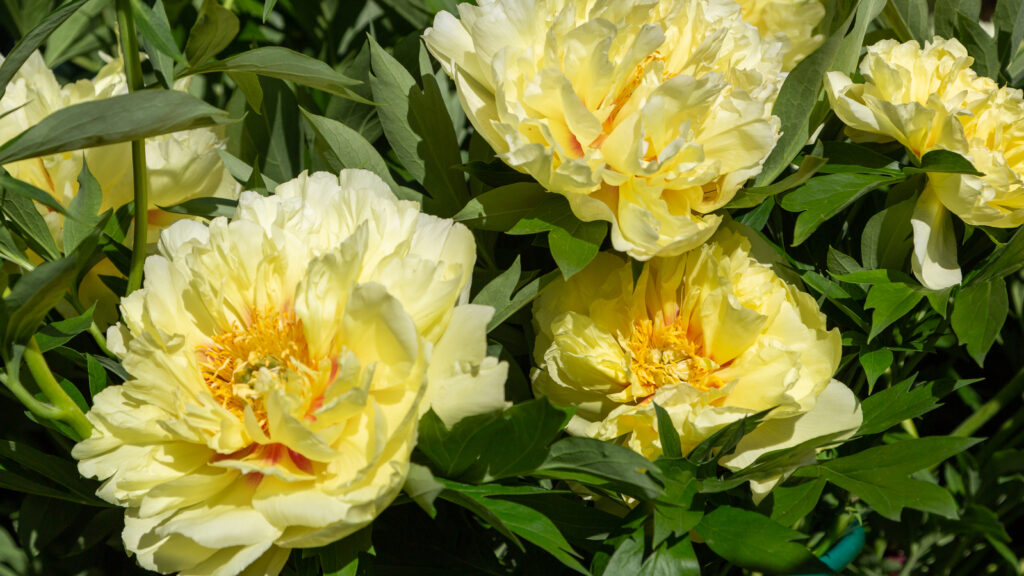
Peony (Paeonia spp.)
Peonies are hard to miss once they start blooming. Their large, fragrant flowers can appear in pink, white, red, coral, and yellow, depending on the variety.
They usually bloom in late spring and can live for decades with very little fuss. Give them well-drained soil, plenty of sunlight, and room to grow, and they can become a long-term fixture in the garden.
Related: 14 Strange and Beautiful Perennials for a More Interesting Garden
Sneezeweed (Helenium autumnale)
The name might sound like a warning, but sneezeweed isn’t responsible for the seasonal allergies its name suggests. The plant produces cheerful daisy-like flowers in yellow, orange, red, and bronze.
Its flowers arrive in late summer and continue into fall, giving the garden a burst of warm color after many early-season perennials have finished blooming. Bees and butterflies also visit the flowers for nectar.
Related: These Plants Can Struggle During the Summer Heat, So Give Them a Shadier Spot
Virginia Bluebells (Mertensia virginica)
Virginia bluebells are a lovely choice for shady gardens. In spring, their pink buds open into clusters of soft blue, bell-shaped flowers that can form broad patches beneath trees.
They prefer moist soil and can spread naturally once established. The foliage dies back in early summer, but the spring display makes this native perennial worth growing.
Bleeding Heart (Lamprocapnos spectabilis)
Bleeding heart has an unmistakable appearance. Its heart-shaped pink and white flowers hang from arching stems, creating a soft, old-fashioned look in the garden.
It does well in partial to full shade and prefers rich soil that holds some moisture. Once settled, it can return for years and make a lovely addition to a woodland or shade garden.
Related: Perennial Flowers That Make Gardening Easier Year After Year
Clematis (Clematis spp.)
Clematis can turn a plain trellis, fence, or arbor into a wall of flowers. Depending on the variety, blooms can be purple, pink, red, white, or blue, with flower shapes ranging from small bells to large, showy blossoms.
Different clematis varieties bloom at different times, so check the variety before planting. With the right support and growing conditions, these perennial vines can provide plenty of color from year to year.
Foxglove (Digitalis purpurea)
Foxgloves bring height to the garden with tall stems covered in tubular flowers. The blooms come in shades of pink, purple, white, and other colors and are especially attractive to bees and hummingbirds.
They prefer rich soil and partial shade. Foxgloves can also self-seed, so a few plants may gradually appear in other parts of the garden. Keep in mind that all parts of foxglove are toxic if eaten, so plant them with care around children and pets.
Lavender (Lavandula angustifolia)
Lavender offers two reasons to grow it: beautiful purple flowers and its familiar fragrance. Its gray-green foliage also looks attractive before and after flowering.
This perennial likes full sun and well-drained soil and handles dry conditions once established. Bees and butterflies frequently visit the flowers, while the dried stems can be used for sachets, crafts, and other household projects.
Related: I Love Gardening, But I’d Never Put These Popular Plants in My Yard
Garden Phlox (Phlox paniculata)
Garden phlox brings clusters of fragrant flowers to the summer garden. Pink, purple, lavender, white, and two-tone varieties give gardeners plenty of choices.
The flowers attract butterflies, bees, and hummingbirds, and newer varieties are available with improved resistance to common garden diseases. Plant phlox where it receives good air circulation and enough sunlight for the best results.
Autumn Joy Sedum (Hylotelephium ‘Autumn Joy’)
Autumn Joy sedum is a dependable choice for sunny, dry areas where other plants may struggle. Its thick blue-green leaves look good throughout the growing season.
The flower heads begin pale pink before turning deeper pink and eventually bronze as fall arrives. If left standing after flowering, the dried heads can also add interest during winter and provide food for birds.
Ornamental Allium (Allium spp.)
Alliums bring a completely different look to a flower bed. Their round flower heads sit on tall, sturdy stems and can resemble purple orbs floating above the surrounding plants.
Depending on the species or variety, flowers may be purple, pink, white, or blue. Bees and other pollinators visit the blooms, while the plants are generally left alone by many common garden pests.
Hydrangea (Hydrangea macrophylla and related species)
Hydrangeas are known for their large flower clusters and long-lasting blooms. Depending on the species, variety, and growing conditions, flowers can range from blue and purple to pink, white, or green.
These shrubs can make a big impact around patios, foundations, fences, and garden borders. Once established, many hydrangeas return each year and produce larger displays as they mature.
Goldenrod (Solidago spp.)
Goldenrod adds a splash of yellow just as many summer flowers are starting to fade. Its sprays of tiny golden blooms appear in late summer and fall, giving the garden plenty of late-season color.
Native goldenrod species are also valuable food sources for bees, butterflies, and other insects. They can work well in naturalized areas, pollinator gardens, and mixed perennial beds.
Yarrow (Achillea millefolium)
Yarrow produces clusters of tiny flowers arranged in flat-topped heads. Traditional varieties have white or yellow flowers, while cultivated types come in pink, red, peach, and coral.
It handles dry conditions and poorer soils well once established. Yarrow also has a long bloom period, making it useful for gardeners who want plenty of color without constant watering.
Hyacinth (Hyacinthus orientalis)
Hyacinths are one of the spring garden’s most fragrant flowers. Their compact flower spikes are packed with blooms in shades such as blue, purple, pink, white, yellow, and peach.
They work well along walkways, near entryways, in borders, and in containers where their fragrance can be enjoyed up close. Plant the bulbs in fall for a colorful spring display.
Hybrid Astilbe (Astilbe × arendsii)
Astilbe is a favorite for shady and partly shaded gardens. Its feathery flower plumes rise above fern-like foliage, with varieties offering pink, red, white, and lavender blooms.
The plants prefer consistently moist soil and can brighten areas where many sun-loving flowers struggle. Their foliage also adds texture after the flowers fade.
Penstemon (Penstemon spp.)
Penstemon produces tall stems covered with tubular flowers that hummingbirds find hard to resist. Depending on the variety, the flowers can be red, pink, purple, blue, or white.
Many types handle dry conditions well once established, making them useful in sunny gardens with well-drained soil. Their flowers can provide color from late spring into summer.
Turtlehead (Chelone glabra)
Turtlehead gets its unusual name from its flowers, which resemble little turtle heads. White or pink blooms appear in late summer and early fall.
This perennial prefers moist soil and can do well near streams, ponds, rain gardens, or other damp areas. Its late-season flowers also give pollinators another source of nectar after many summer flowers have finished.
Aster (Symphyotrichum spp.)
Asters are a fall garden favorite, producing masses of small daisy-like flowers in purple, pink, blue, and white.
They can keep the garden colorful well into autumn and provide food for butterflies and other pollinators preparing for colder weather. Plant them alongside ornamental grasses, goldenrod, or other fall-blooming plants for a full seasonal display.
Bellflower (Campanula spp.)
Bellflowers get their name from their distinctive bell-shaped flowers. Depending on the species, they can grow as low ground covers or taller border plants.
Blue, violet, lavender, pink, and white varieties are available. Many bloom for weeks during summer and attract bees and other pollinators.
Coneflower (Echinacea purpurea)
Coneflowers are tough plants that can handle heat, dry conditions, and plenty of summer sun. Their pink, purple, white, or other colorful petals surround a raised central cone.
Bees and butterflies visit the flowers throughout summer, while the dried seed heads can provide food for birds in fall and winter. Coneflowers are also a good choice for gardeners who prefer plants that require little attention once established.
Black-Eyed Susan (Rudbeckia hirta)
Black-eyed Susans bring bright yellow petals and dark centers to summer gardens. Their cheerful flowers can cover the plants for weeks, creating large patches of color.
They grow in many soil types and can handle heat and periods of dry weather once established. Their flowers also attract butterflies and other pollinators, making them a useful choice for wildlife-friendly gardens.
Daylily (Hemerocallis spp.)
Daylilies are famous for being reliable and easy to grow. There are varieties in nearly every color except true blue, so it’s easy to find one that fits your garden.
Each individual flower lasts for just one day, but a mature plant can produce many buds over several weeks. As the clumps grow, they can become fuller and produce an impressive amount of color each season.
Tickseed (Coreopsis verticillata and related species)
Tickseed can keep flowering from early summer until frost, depending on the variety and local growing conditions. Its daisy-like flowers come in yellow, gold, orange, red, and pink.
It prefers full sun and well-drained soil and can tolerate dry conditions after its roots are established. Regular deadheading can encourage more flowers, although wide varieties will keep blooming with little help.
- 13 Gardening Antiques Collectors Love and Often Pay Up For
- I Stopped Buying Fertilizers After Years of Gardening and Started Using This Instead
- Some of the Best Gardening Tips I Ever Got That Break All the Rules
- 9 Vintage Gardening Tools Hiding in Grandma’s Potting Shed— Some Could Be Worth a Small Fortune