High gas prices can take a big bite out of a household budget, so every fill-up counts. While finding cheaper fuel helps, your fueling habits, vehicle maintenance, and driving style can also affect how much you spend on gas over time.
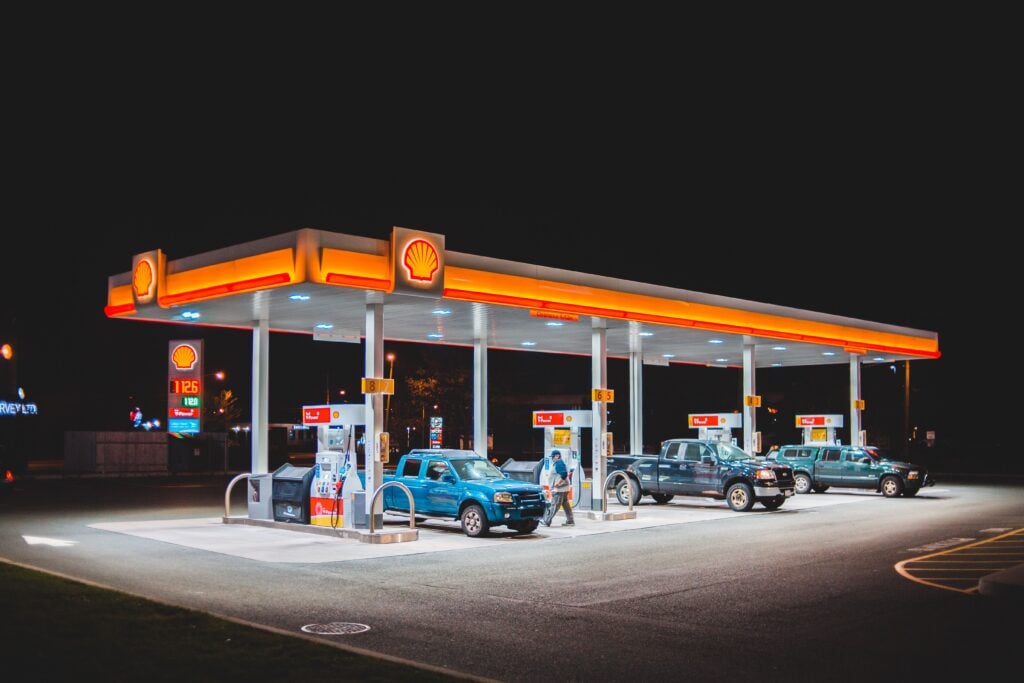
Using Premium Gas When Your Car Does Not Need It
Premium gasoline costs more, but most cars that call for regular fuel do not gain much from using a higher grade. Check your owner’s manual and stick with the recommended fuel unless your vehicle requires premium.
Topping Off After the Pump Stops
When the nozzle clicks off, stop pumping rather than squeezing in another splash of gas. Topping off can send fuel into the vapor recovery system, leading to avoidable repairs and potentially causing spills.
Related Article: 10 Gas Station Chains With Food Worth a Road Trip
Letting Your Tank Run Almost Empty
Waiting until the fuel gauge is close to empty can leave you scrambling to find a gas station, especially in an unfamiliar area. In some vehicles, repeatedly running very low on fuel can also strain the fuel pump, so refilling before the warning light comes on is a sensible habit.
Buying Gas While the Station Is Being Refueled
Some drivers prefer to skip a station when a tanker truck is unloading fuel into its underground tanks because the process may disturb settled debris. Modern stations use filtration systems, so the risk is hard to generalize, but waiting until the delivery is finished is a reasonable precaution if another station is nearby.
Leaving Your Engine Running While Pumping Gas
Shut off your engine before you start filling the tank, even if you plan to be there for only a minute. Gasoline vapors can ignite, and leaving the engine running wastes fuel while your car sits still.
Related Article: 12 Things You Should Never Do at a Gas Station
Believing the Slow Pumping Myth
Some drivers think squeezing the gas nozzle slowly gives them more fuel for their money. The pump measures the volume dispensed, so changing your pumping speed does not give you extra gasoline for the same amount paid.
Ignoring a Problematic Fuel Pump
A nozzle that keeps clicking off or dispensing fuel unusually slowly can make a simple fill-up frustrating. Try another pump, and tell the station staff if the problem continues rather than forcing a faulty nozzle to work.
Forgetting to Tighten Your Gas Cap
A loose gas cap can allow fuel vapors to escape and may trigger the check engine light on some vehicles. After filling up, tighten the cap until it clicks or follow the instructions in your owner’s manual if your car uses a different system.
Related Article: People Are Flooding Costco for Gas (And It’s Not Going Well)
Filling Up at the Most Expensive Times
Gas prices can change with local competition, demand, and other market conditions, so your usual station may not always have the lowest price. Check prices before heading out and compare nearby stations, but avoid driving far out of your way just to save a few cents per gallon.
Skipping Fuel Rewards and Discounts
Gas station loyalty programs, grocery store fuel discounts, and some credit card offers can lower the cost of a fill-up. Check the terms before signing up, since spending more elsewhere just to earn fuel savings can wipe out the benefit.
Carrying Too Much Weight in Your Vehicle
Extra weight makes your vehicle use more energy, especially during city driving and frequent stops. Clear out tools, sports gear, and other items you rarely need to help reduce unnecessary weight.
Driving With Underinflated Tires
Tires with too little air create more rolling resistance, which can reduce fuel economy and cause uneven tire wear. Check tire pressure regularly and use the recommended figures listed on the driver’s door placard or in your owner’s manual, not the maximum pressure printed on the tire.
Always Choose the Closest Gas Station
The station around the corner may be convenient, but its price isn’t always the lowest nearby. Compare local prices with a gas-price app or a quick online search, and factor in extra driving before making a detour.
Not Paying Attention to Your Driving Habits
Fast acceleration, hard braking, high speeds, and long idling periods can all increase fuel use. Drive at a steady pace, leave enough room to slow down smoothly, and switch off the engine during longer stops when it is safe and appropriate.
Small Changes Can Lower Fuel Costs
You can’t control the price posted at every gas station, but you can make choices that help your fuel last longer. Use the grade recommended for your vehicle, keep up with basic maintenance, compare prices, and avoid habits that waste gas or lead to needless repairs.
Related Article: 10 Gas Station Chains Where the Food Is So Good People Drive Miles for It