For years, I never thought I spent too much money. I’d order takeout after work, buy something online because it was convenient, and keep paying for subscriptions I hardly used, all without thinking much about the cost.
It wasn’t until I reviewed the monthly expenses that I realized how much those small purchases added up. Instead of following a strict budget or giving up everything I enjoyed, I made a few practical changes that helped me spend less without making everyday life feel like a sacrifice.
Looking back, I wish I’d started sooner. These 15 habits have helped me save money over the years, and most were surprisingly easy to work into my routine.
Cooking in Bulk Instead of Ordering Takeout
Making larger batches of soups, pasta dishes, casseroles, and slow-cooker meals gives me leftovers for days when I don’t feel like cooking. Keeping a few homemade meals in the freezer also makes it easier to skip expensive takeout on busy evenings.
Related: 19 Frugal Depression Era Recipes That Were Cheap, Filling, and Surprisingly Tasty
Shopping Secondhand Before Buying New
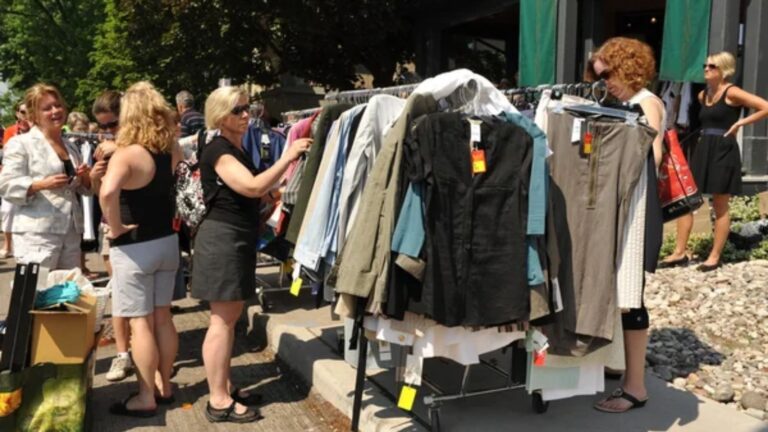
Before paying full price for furniture, clothes, kitchenware, or home décor, I check thrift stores, garage sales, and resale websites. I’ve found plenty of useful items in good condition for far less than I’d pay for new ones.
Buying Store Brands Whenever Possible
I’ve found that many store-brand pantry staples, cleaning supplies, and frozen foods are just as good as their name-brand counterparts. Choosing the less expensive option on regular grocery trips may save only a little at a time, but those savings add up over the year.
Using Cashback Apps for Purchases I Already Make
Cashback apps can put a little money back in my pocket on groceries and other planned purchases. I stick to items I already need instead of buying extra things just to earn rewards.
Repairing Things Before Replacing Them
I used to replace broken items without checking whether I could fix them first. Now I try simple repairs on clothing and household goods before spending money on replacements, which often costs much less than buying something new.
Making My Own Cleaning Products
I used to buy a separate cleaner for nearly every room in the house. These days, I rely on basic supplies like dish soap and baking soda for many routine jobs, using vinegar only on surfaces that can handle it.
Paying More Attention to Energy Use
I started paying closer attention to lights, electronics, and appliances that were running when nobody needed them. Turning off unused lights, unplugging certain idle devices, and choosing efficient appliance settings are small habits that can help lower utility bills.
Being Smarter With Heating and Cooling
I look for ways to keep my home comfortable before reaching for the thermostat. Using ceiling fans, closing curtains against strong afternoon sun, opening windows when outdoor conditions are suitable, and adding a blanket in winter can help reduce heating and cooling costs.
Related: How Often Should You Change the HVAC Air Filter in Your Home?
Growing a Few Foods at Home
I don’t need a large garden to grow useful ingredients, since herbs, tomatoes, peppers, and lettuce can thrive in pots or small garden beds. Having fresh herbs close at hand is especially handy because store-bought bunches can cost more than I need for a small amount.
Learning to Bake Simple Foods
Making bread, muffins, cookies, and other baked goods at home can cost less than buying them regularly from a bakery. Once I learned a few reliable recipes, I could prepare fresh treats using ingredients I already had in the pantry.
Canceling Subscriptions I Rarely Use
Automatic payments make it easy to forget about streaming services, apps, and memberships I rarely use. Reviewing my monthly charges and canceling the ones I don’t need frees up money without changing the parts of my routine I actually enjoy.
Borrowing From the Library
I no longer feel the need to buy every book or audiobook that catches my attention. Public libraries often offer books, films, magazines, audiobooks, and digital downloads at no cost to members.
Planning Meals Before Grocery Shopping
Checking the fridge and pantry before heading to the store helps me avoid buying ingredients I already have. I plan a few meals, write a shopping list, and look for ways to use the same ingredients in several dishes throughout the week.
Related: 8 Grocery Items Frugal People Almost Never Buy
Learning Basic Home and Car Repairs
I’m not comfortable tackling every repair myself, but learning a few beginner-friendly jobs has helped me avoid unnecessary service calls. Tasks like replacing windshield wipers, changing appropriate filters, patching small drywall holes, and fixing a running toilet are manageable with the right instructions and tools.
Switching to Reusable Everyday Items
Reusable shopping bags, water bottles, food containers, coffee cups, and cloth towels can reduce disposable purchases. The upfront cost may be higher, but durable items can save money over time through repeated use.
Related: 10 Homeownership Costs People Often Forget to Budget For