Most gardeners spend their time worrying about plants that refuse to grow. But there’s another problem that can be just as frustrating: plants that grow a little too successfully.
A vine that starts as a beautiful addition to a fence or a ground cover that fills in an empty space can quickly become a headache. Some plants spread through underground roots, while others scatter seeds far beyond where they were planted. Before long, they can crowd out other plants, cover large areas, and become difficult to remove.
Knowing which plants have a reputation for spreading aggressively can save you a lot of work later. Here are some garden favorites that need extra attention.
Chinese Wisteria (Wisteria sinensis)
Wisteria is loved for its beautiful hanging flowers, but its fast-growing vines can become difficult to manage. The stems wrap tightly around trees, fences, and structures, sometimes causing damage as they continue to grow.
Regular pruning is needed to keep this climbing plant from spreading beyond its intended area.
Related: 10 Plants That Actually Grow Better in Shade
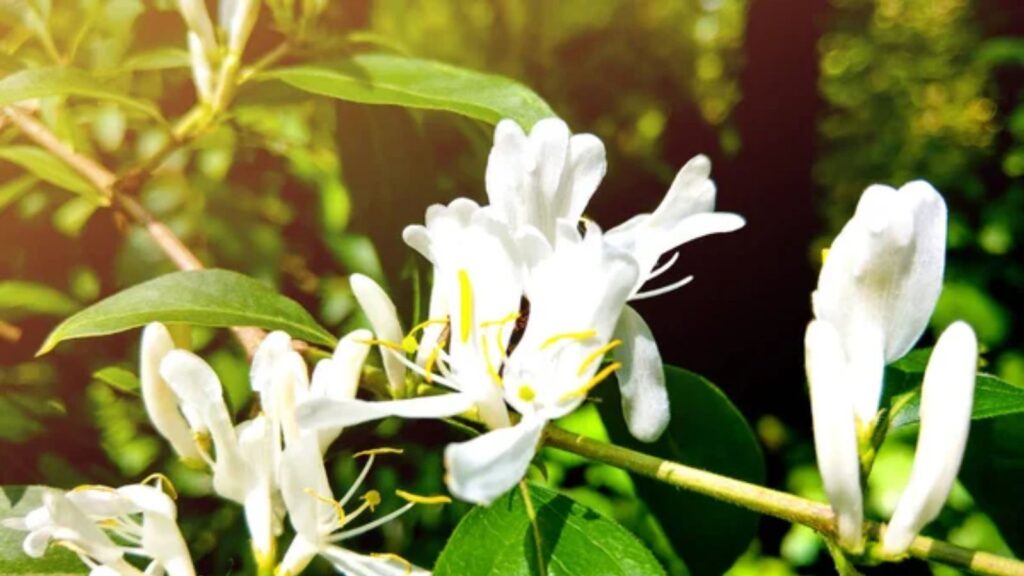
Japanese Honeysuckle (Lonicera japonica)
The sweet scent of Japanese honeysuckle makes it appealing, but this vine can quickly move into places where it wasn’t planted. It grows aggressively, covering nearby plants and blocking sunlight.
Frequent trimming can help slow it down, but keeping it contained often requires ongoing attention.
Related: 18 Ground Cover Plants That Choke Out Weeds Naturally
English Ivy (Hedera helix)
English ivy has long been used as a decorative ground cover and climbing plant, but it can become a major problem once it settles in. It spreads across the ground and climbs trees, creating thick layers that can weaken plants underneath.
Removing it usually requires pulling out the roots, since leftover pieces can grow back.
Related: Sprinkle Cinnamon on Your Plants — Here’s What It Does
Japanese Barberry (Berberis thunbergii)
This colorful shrub is often chosen for its bright foliage and easy care, but it can spread into dense patches that crowd out other plants.
Its thorny branches can make removal unpleasant, and getting rid of it usually means removing the entire root system.
Related: 14 Plants That Will Crowd Out Weeds and Support the Bees
Privet (Ligustrum Species)
Privet has been a popular choice for hedges because it grows quickly and creates privacy. The same trait that makes it useful can also make it troublesome.
It can spread into nearby areas, forming thick growth along property edges and open spaces. Regular trimming helps, but removing established plants can take time.
Periwinkle (Vinca minor)
Periwinkle is a common ground cover because it fills empty areas quickly. The problem is that it often keeps spreading long after it has covered the spot you wanted.
Its thick mats can make it difficult for other plants to grow. Keeping it under control usually requires regular cutting and removal.
Autumn Olive (Elaeagnus umbellata)
Autumn olive grows quickly and produces berries that birds enjoy. Those birds can carry the seeds to new areas, causing the plant to appear where it was never planted.
Cutting the plant back may not be enough, since new growth can return from the stump and roots.
Burning Bush (Euonymus alatus)
Burning bush is popular for its bright red fall leaves, but it can spread through seeds carried by birds. New plants can pop up in unexpected places around your yard.
Removing young seedlings early is much easier than dealing with mature shrubs later.
Related: DIY Bird Feeder with Popsicle Sticks for Kids to Make
Japanese Knotweed (Fallopia japonica)
Japanese knotweed is considered one of the most difficult plants to control. It spreads through underground stems and can grow through cracks in hard surfaces.
Once it becomes established, removing it can require a great deal of work and patience.
Bamboo (Phyllostachys and Similar Species)
Bamboo can create a beautiful privacy screen, but certain types spread aggressively underground. New shoots can appear several feet away from the original plant.
Without proper barriers or regular maintenance, bamboo can quickly move into areas where you don’t want it.
Butterfly Bush (Buddleja davidii)
Butterfly bush attracts pollinators and produces colorful flowers, but it can also produce large amounts of seeds. Those seeds can spread easily and create new plants nearby.
Removing small seedlings before they mature is the easiest way to keep it from spreading.
Related: 10 Foods You Should Always Keep Out of Bird Feeders
Mimosa Tree (Albizia julibrissin)
The mimosa tree is known for its delicate flowers and fast growth, but it can spread through both seeds and new shoots. In the right conditions, it can quickly take over open areas.
Regular pruning and removing unwanted growth can help prevent it from becoming a larger problem.
A little research before planting can save you years of extra work. Many plants on this list are attractive and useful in the right setting, but they need the right care and location to keep them from becoming a problem.
Other Topics You Might Like
- 13 Gardening Antiques Collectors Love and Often Pay Up For
- I Stopped Buying Fertilizers After Years of Gardening and Started Using This Instead
- Some of the Best Gardening Tips I Ever Got That Break All the Rules
- 9 Vintage Gardening Tools Hiding in Grandma’s Potting Shed— Some Could Be Worth a Small Fortune