When people start preparing for emergencies, it’s easy to focus on the obvious stuff: canned food, bottled water, flashlights, and batteries. Those things matter, but they’re only part of being ready.
A serious disruption can affect much more than your grocery supply. A long power outage, major storm, supply shortage, or other emergency can make basic tasks harder, from cooking and cleaning to making repairs and taking care of your family or animals.
That’s why some of the most useful preparedness supplies aren’t particularly exciting. They’re the everyday items that let you solve problems, preserve what you have, stay clean, and keep your household running when stores and services aren’t readily available.
Here are 15 supplies worth keeping on hand before you actually need them.
First Aid Supplies and Medications
A good first aid kit can be worth far more than its price during an emergency. A minor cut, burn, sprain, or headache is much easier to deal with when you already have the right supplies at home.
Keep basics such as adhesive bandages, gauze, medical tape, antiseptic wipes, burn treatment, pain relievers, allergy medicine, and electrolyte packets. If someone in your household takes prescription medication, keeping an appropriate backup supply can also be helpful when getting to a pharmacy becomes difficult.
Check your supplies from time to time and replace anything that’s expired, damaged, or nearly empty.
Related: 14 Emergency Supplies Every Prepper Should Have on Hand
Personal Hygiene Products
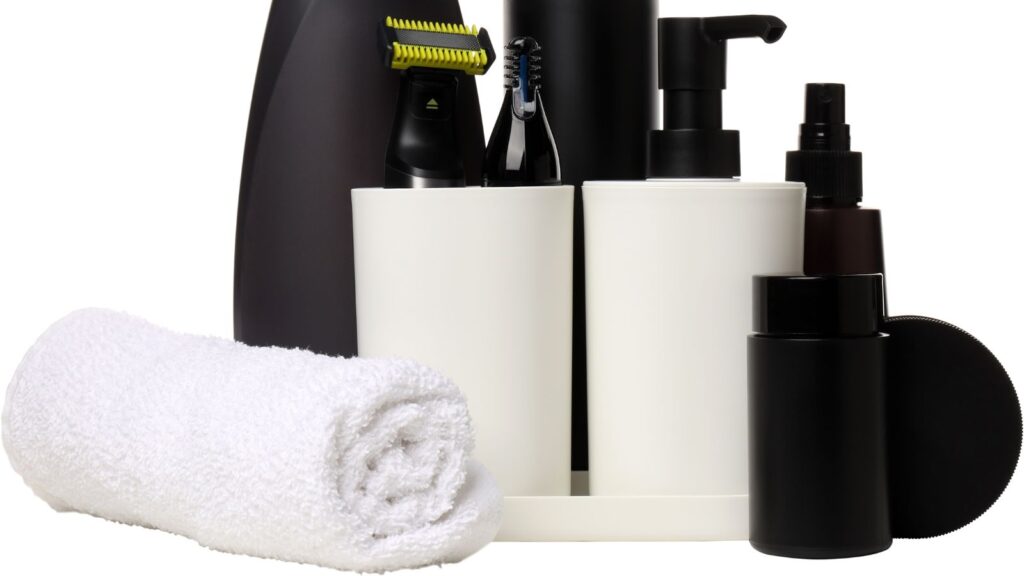
Soap and toothpaste might seem like boring things to stockpile until you can’t easily buy them. During a prolonged emergency, staying clean can make a big difference in both comfort and health.
Keep extra soap, toothpaste, toothbrushes, toilet paper, feminine hygiene products, deodorant, and laundry detergent. If you live on a homestead or prefer making some household products yourself, supplies for homemade soap can also be useful.
The goal isn’t to fill an entire room with toiletries. A reasonable backup supply can save you a trip to the store when getting there isn’t practical.
Heirloom Seeds
A pantry full of food can only last so long. Seeds give you another way to produce food if you have suitable growing space and the time and resources to garden.
Beans, tomatoes, peas, squash, lettuce, carrots, and other productive crops can be good choices for a home garden. Herbs such as oregano, thyme, basil, and calendula can also be useful.
If you plan to save seeds, pay attention to the type of seed you buy. Open-pollinated varieties are usually better suited for seed saving than hybrids, since saved seeds from hybrids may not produce plants that closely resemble the parent plant.
A small, well-labeled seed collection can take up very little room compared with the amount of food a garden can produce.
Related: 10 Cleaning Supplies That Waste More Money Than They Save
Fuel Supplies
Fuel can become difficult to find during widespread emergencies. It may be needed for cooking, heating, generators, vehicles, or other equipment.
The right fuel depends on your household and the equipment you already own. That might mean firewood, propane, charcoal, kerosene, or gasoline stored according to local safety rules.
Don’t store fuel casually or in unsuitable containers. Gasoline and other fuels need proper storage, ventilation, and handling. A modest supply that you can safely manage is far more useful than a large amount that creates a hazard.
Reliable Lighting
A power outage becomes a very different problem once the sun goes down. A dependable flashlight or lantern can make everything from walking through the house to preparing dinner much easier.
Rechargeable LED lanterns, headlamps, flashlights, and solar lights are good options for many households. Keep spare batteries for devices that use them, and store those batteries properly.
It’s also useful to have a few backup lighting options rather than relying on one device. Candles and oil lamps can work in some situations, but they should be used carefully because open flames create a fire risk.
Sewing Supplies and Extra Fabric
A torn jacket, broken button, or damaged blanket doesn’t have to become unusable if you know how to make basic repairs.
A small sewing kit can handle a surprising number of household jobs. Stock needles, thread, buttons, scissors, pins, measuring tape, patches, and other basic supplies.
Extra fabric can also come in handy for repairs, reusable cleaning cloths, curtains, simple covers, and other projects. You don’t need a huge collection. A small box of practical sewing supplies can last for years.
Related: 14 Smart Supplies That Make a Huge Difference in an Emergency
Yarn and Fiber Crafts Supplies
Knitting and crocheting aren’t just hobbies. The skills can also be useful for making hats, socks, mittens, blankets, scarves, and other warm items.
Keep yarn, knitting needles, crochet hooks, stitch markers, and a few basic pattern books if these are skills someone in your household already knows or wants to learn.
Wool is especially useful for cold-weather projects because it provides good insulation and can retain some insulating ability when damp. Having the materials at home means you can make or repair certain items without having to shop for them.
Food Preservation Supplies
Growing a garden gives you fresh food, but preserving part of the harvest lets you use it months later.
Canning jars, lids, rings, fermentation supplies, pectin, food-grade containers, dehydrator supplies, and other preservation equipment can become difficult to find during peak gardening and canning season. Keeping some supplies on hand means you don’t have to scramble for them when your garden starts producing more than you can eat.
If you can food, follow tested food-safety methods for the specific food you’re preserving. Canning isn’t a place to guess about processing times or temperatures.
Related: Keep These Emergency Supplies in Your Car Before the Next Snowstorm
Cheese-Making Supplies
Fresh milk doesn’t last forever, which is one reason cheese-making can be a useful homesteading skill. Turning milk into cheese can provide another way to use extra dairy before it spoils.
Basic supplies may include cheesecloth, food-safe thermometers, rennet, molds, and suitable containers. These items take up relatively little storage space and can be useful for anyone who keeps dairy animals or has regular access to fresh milk.
Before making cheese for storage, learn the proper sanitation and food-safety practices. Some types of cheese require careful temperature and aging controls.
Hand Tools and Cordage
A power outage can make electric tools useless, but a good set of hand tools can still get plenty of work done.
A basic kit might include a hammer, screwdrivers, pliers, adjustable wrenches, utility knives, measuring tape, nails, screws, duct tape, and work gloves. Add rope, paracord, or bungee cords for jobs such as securing loads, tying down tarps, hanging items, and making temporary repairs.
These are the kinds of supplies you may overlook while shopping for emergency gear, yet they can be extremely useful when something breaks and there’s no hardware store nearby.
Water Filtration and Purification Supplies
Stored water gives you a short-term supply, but a way to treat additional water can be just as useful during a longer disruption.
Water filters, purification tablets, and equipment for safely boiling water can give you several options. Different methods work in different situations, so having more than one way to treat water provides a useful backup.
Never assume that clear water is safe to drink. Water from wells, streams, ponds, rainwater systems, or other sources may contain organisms or contaminants that require treatment.
Tarps and Plastic Sheeting
A few good tarps can solve a surprising number of problems around the house or homestead.
They can cover damaged areas, protect firewood, create temporary shade, cover equipment, help with temporary shelter, or keep belongings dry during bad weather. Heavy-duty plastic sheeting can also be useful for covering broken windows, creating temporary barriers, protecting surfaces, and other emergency repairs.
Keep some rope, cordage, or bungee cords with your tarps so you have a way to secure them when needed.
Fire Extinguishers
Preparedness isn’t just about dealing with emergencies after they happen. Preventing a small accident from turning into a disaster matters too.
Keep properly rated fire extinguishers in areas where fires are more likely, such as the kitchen, garage, workshop, and near wood-burning appliances. Check them according to the manufacturer’s instructions and replace or service them when needed.
Every member of the household who is old enough should know where the extinguishers are and have a basic idea of how they work. A fire extinguisher is much less useful if nobody can find it when a fire starts.
Animal Feed and Livestock Supplies
If you have pets or livestock, their needs belong in your emergency plans too. A household may have plenty of food for people while running short on feed for chickens, goats, horses, or other animals.
Keep a reasonable backup supply of feed, bedding, mineral supplements, medications prescribed for your animals, and suitable water containers. During storms or transportation problems, that extra supply can buy you time until normal deliveries resume.
If you raise livestock or poultry, keeping seeds for suitable forage crops can also reduce your reliance on purchased feed over time.
Emergency Radio and Morale Boosters
Information can be incredibly valuable during a crisis. Weather warnings, evacuation instructions, emergency announcements, and other updates can help you decide what to do next.
A hand-crank or solar-powered emergency radio can provide access to broadcasts when the electricity is out or other communication methods aren’t working.
And don’t forget about the people sitting around the house waiting for the situation to improve. Books, playing cards, puzzles, board games, notebooks, art supplies, and craft materials can help pass the time, especially for children.
Preparedness isn’t just about filling shelves with supplies. It’s about having useful things on hand that help your household eat, stay clean, make repairs, stay informed, and deal with everyday problems when normal services aren’t available. A few practical items can end up being far more useful than a closet full of specialized gear.